
Key Highlights
- U.S. allies in the Middle East condemn Iran's recent attacks.
- Countries like Saudi Arabia and Israel emphasize coordinated military responses.
- Diplomatic efforts are urged to prevent further escalation.
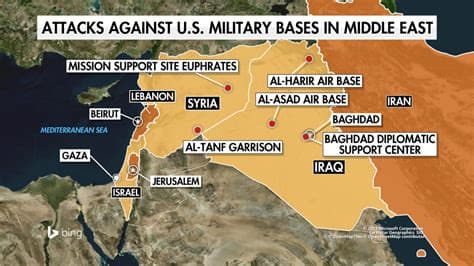
In a unified response, U.S. allies in the Middle East have denounced the recent attacks linked to Iran, calling for immediate action to address the growing threats to regional security. The attacks, which have targeted military and civilian assets, have raised alarms among neighboring countries and Western allies. This escalation has prompted a strong reaction from nations that have historically been wary of Iran's military ambitions.
Officials from various nations, including Saudi Arabia, the United Arab Emirates, and Israel, have emphasized the importance of a coordinated response to Iran's actions, which they view as aggressive and destabilizing. These countries have reiterated their commitment to maintaining security and will work closely with the U.S. to counteract such threats. The collective stance reflects a significant shift in regional dynamics, as these nations seek to present a united front against perceived Iranian aggression.
The escalating situation has prompted discussions on strengthening military alliances and enhancing defensive capabilities in the region. These nations are actively exploring options to deter further hostilities and assure their populations of safety amidst rising geopolitical tensions. The potential for joint military exercises and intelligence sharing is on the table as they prepare for various scenarios that could unfold in the coming weeks.
Regional leaders are also advocating for diplomatic efforts aimed at de-escalation. They argue that constructive dialogue should accompany any defensive measures to prevent miscalculations that could lead to armed conflict. The call for diplomacy highlights the delicate balance that these nations must maintain as they navigate the complexities of their relationships with Iran and each other.
As Iran's activities continue to concern its neighbors, U.S. allies are poised to take a firmer stance, underscoring the fragile nature of peace in the region and the urgent need for a collective approach to ensure stability and safety for all nations involved. The situation remains fluid, and the international community is closely monitoring developments as tensions rise.
Published by Banx Network. This article is part of the Banx decentralized media programme, powered by the BXE token on the XRP Ledger.



