

Key Highlights
- Iran claims to have struck a U.S. radar installation in Qatar.
- The radar system, valued at $1.1 billion, is crucial for early warning.
- U.S. officials acknowledge hostile fire but confirm no damage assessment yet.
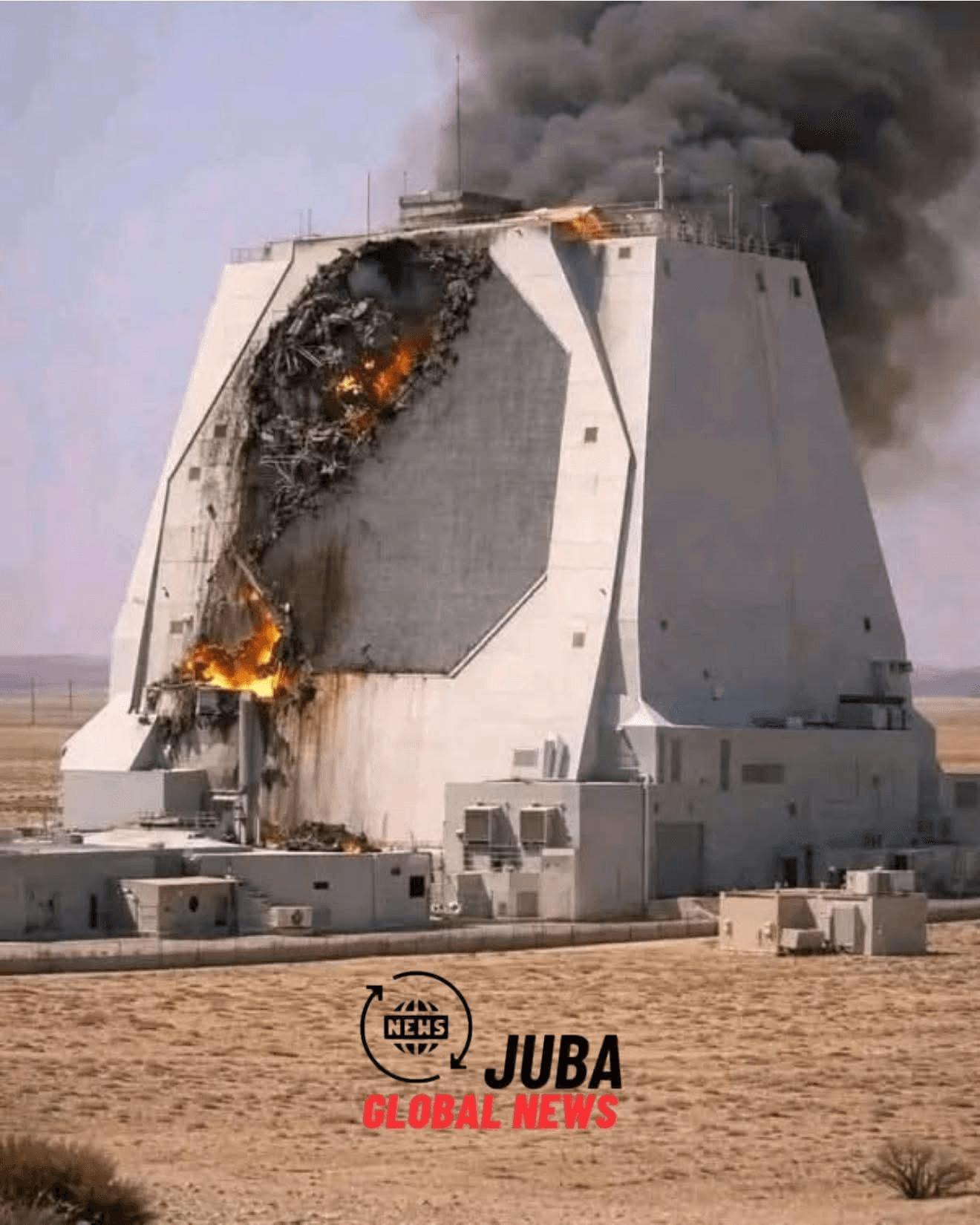
Doha, Qatar — Iranian forces have claimed responsibility for striking a major U.S. early-warning radar installation in Qatar, specifically the AN/FPS-132 Block 5 Upgraded Early Warning Radar system, valued at approximately $1.1 billion. This incident is part of a broader campaign of retaliatory strikes following recent joint U.S.–Israeli military operations against Iran.
The radar system, strategically located near Al Udeid Air Base, is designed to detect ballistic missiles at long ranges. Iranian media and statements from the Islamic Revolutionary Guard Corps (IRGC) assert that the radar was “completely destroyed” in a precision missile or drone attack. This system is integral to the U.S. and allied early-warning network, which monitors potential threats across the Middle East.
A defense source from Qatar reported that explosions were heard near the radar site during the attacks, prompting military personnel to assess the situation. While Qatari air defenses reportedly intercepted several incoming missiles and drones, some impacts and debris were observed in the vicinity of the base. This indicates that the situation remains volatile and requires ongoing monitoring.
The IRGC has framed the strike as part of its “Operation True Promise 4,” a series of retaliatory actions aimed at undermining U.S. military and intelligence assets in the region. Iranian leadership has characterized high-value detection and surveillance systems as legitimate targets in response to perceived threats from U.S.–Israeli actions.
In Washington, officials have acknowledged that hostile fire was directed at U.S. military infrastructure in Qatar. However, the U.S. Department of Defense has not publicly confirmed the extent of any damage to the early-warning radar or its operational status. A Pentagon statement indicated that defenses are being reinforced and that damage assessments are ongoing, highlighting the seriousness of the situation.
The potential loss or degradation of this radar system would represent a significant setback for U.S. Central Command (CENTCOM), which relies on early-warning sensors to detect and cue missile defense systems such as Patriot and THAAD across the Gulf region. Analysts warn that losing such long-range radar capabilities could compress reaction times and strain integrated defense networks amid ongoing hostilities.
Independent verification of the claimed destruction remains limited at this stage. Satellite imagery or official assessments have not been widely released, and some fact-checking sources have noted that specific visual evidence circulating online has not been confirmed as authentic. U.S. and Qatari authorities have yet to provide a comprehensive public account of events at the radar site, leaving many questions unanswered.
As tensions between Tehran and Washington escalate, the potential loss of such a critical early-warning asset underscores the broader implications of the conflict, affecting not only military personnel and civilians but also high-value military infrastructure in the Gulf region.
Published by Banx Network. This article is part of the Banx decentralized media programme, powered by the BXE token on the XRP Ledger.




