
Key Highlights
- Date of Incident:On May 4, 2026, the U.A.E. reported renewed Iranian attacks.
- Military Response:The U.S. military successfully neutralized threats from Iran.
- Shipping Concerns:Over 150 ships are stranded in the Strait of Hormuz due to escalating tensions.
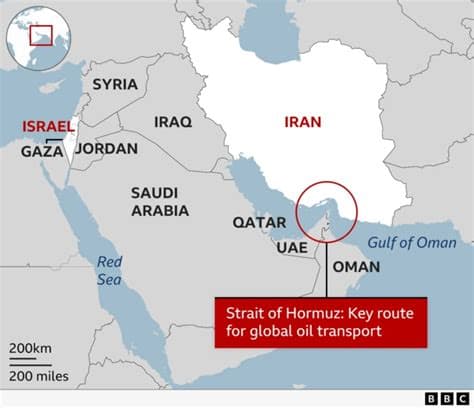
On May 4, 2026, the United Arab Emirates (U.A.E.) reported a resurgence of Iranian attacks, marking the first significant hostilities since a ceasefire was established in early April. This escalation appears to be a direct response to U.S. President Trump's recent initiatives aimed at reopening the strategically vital Strait of Hormuz, which Iran had effectively blockaded, disrupting global energy supplies.
The U.A.E. Defence Ministry confirmed that four cruise missiles were launched by Iran, with three intercepted by U.A.E. defense systems. The remaining missile fell harmlessly into the sea. Additionally, an Iranian drone attack targeted an oil facility in Fujairah, resulting in injuries to three Indian nationals. Reports from the British military indicated that two cargo vessels off the U.A.E. coast were also set ablaze during these assaults, further complicating the maritime security situation in the region.
In retaliation, the U.S. military reported the successful sinking of six small Iranian boats that were attempting to disrupt commercial shipping operations. Admiral Brad Cooper, commander of U.S. Central Command, stated that U.S. forces had effectively neutralized various threats posed by Iran, including both cruise missiles and drone attacks aimed at civilian vessels. This military response underscores the U.S. commitment to ensuring the safety of maritime operations in the region.
President Trump has taken a firm stance, warning that any Iranian aggression against U.S. vessels in the Strait would be met with decisive force. The U.S. has recently launched Operation Project Freedom, aimed at guiding commercial vessels that have been stranded in the Persian Gulf due to the ongoing conflict. However, the effectiveness of this operation remains uncertain as shipping companies weigh the risks of operating in such a volatile environment.
The renewed Iranian attacks have raised significant concerns among shipping and oil executives, who fear the potential ramifications for maritime operations in the Strait of Hormuz. Currently, approximately 20,000 seafarers and over 150 ships are stranded, as transit through the Strait has dropped to nearly zero. The instability generated by these renewed conflicts complicates efforts to restore normal shipping traffic, which is crucial for global energy markets.
As tensions continue to escalate, the broader implications for regional stability and global energy markets are becoming increasingly pressing. Nations that rely on safe passage through the Strait of Hormuz are closely monitoring the situation, as any prolonged conflict could have far-reaching consequences for international trade and energy supply chains.
Published by Banx Network. This article is part of the Banx decentralized media programme, powered by the BXE token on the XRP Ledger.



