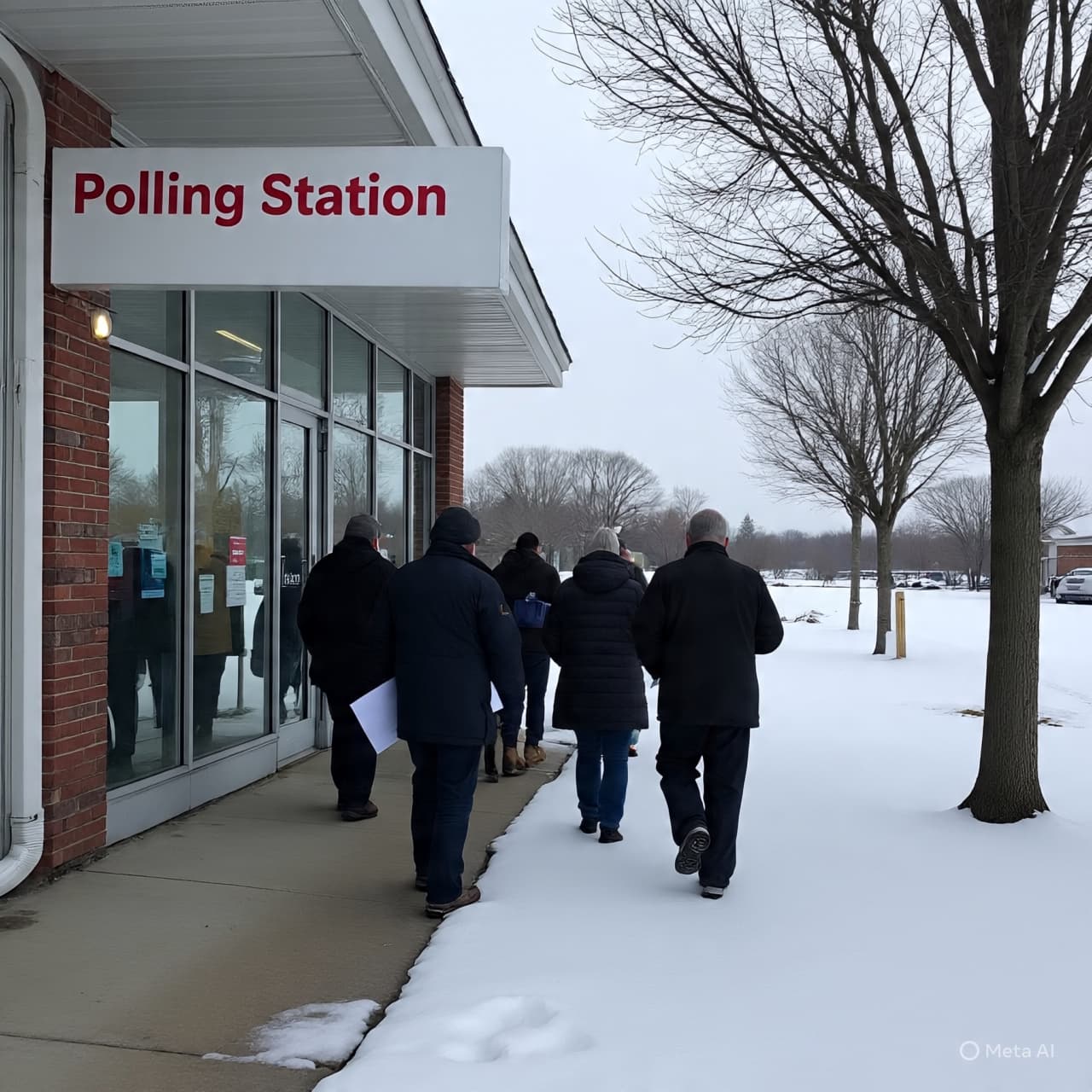
In the quiet suburbs of Des Moines, winter winds swirl through streets lined with small businesses and familiar homes, a subtle reminder that even in stillness, change is possible. Today, that change may be measured not by snow or frost, but by ballots cast in a year-end special election for Iowa’s Senate District 16, where one seat carries the weight of a supermajority. Republicans see an opportunity to reclaim legislative dominance, while Democrats strive to maintain the balance struck earlier this year.
The seat became vacant following the October death of Democratic Sen. Claire Celsi, prompting a special election scheduled for December 30, 2025. The candidates are Democrat Renee Hardman, a nonprofit CEO and former West Des Moines City Council member, and Republican Lucas Loftin, a local businessman with strong support from the party’s state apparatus.
For Republicans, victory would restore their two-thirds supermajority in the Iowa Senate, granting the ability to confirm appointments, pass legislation without Democratic votes on certain matters, and solidify committee control. The chamber currently stands at 33 Republicans and 16 Democrats, meaning this single seat could tip the scales decisively.
Yet the district presents challenges. Voter registration data indicates 37% Democrats, 30% Republicans, with remaining voters unaffiliated or from minor parties. Turnout is typically lower during special elections, and the December timing may influence which voters show up at the polls.
Beyond numbers and percentages, the election carries symbolic weight. Should Hardman win, she would become the first Black woman elected to the Iowa Senate, marking a historic milestone for representation in state government. Republicans, meanwhile, frame their campaign around restoring legislative efficiency and advancing policy priorities paused earlier in the year due to the loss of their supermajority.
Observers note that the race is not merely about a single seat but reflects broader narratives in American politics: how voter engagement fluctuates in off-cycle elections, how local communities respond to national partisan trends, and how the timing of events can amplify stakes far beyond a single district. As ballots are cast, the nation watches a quiet corner of Iowa where one vote, one decision, may influence the trajectory of the state Senate and the policies it enacts in the coming year.
AI Image Disclaimer “Illustrations were produced with AI and serve as conceptual depictions.”
Sources Associated Press Yahoo News Livingston Enterprise One News Page AP News (duplicate coverage)
Published by Banx Network. This article is part of the Banx decentralized media programme, powered by the BXE token on the XRP Ledger.