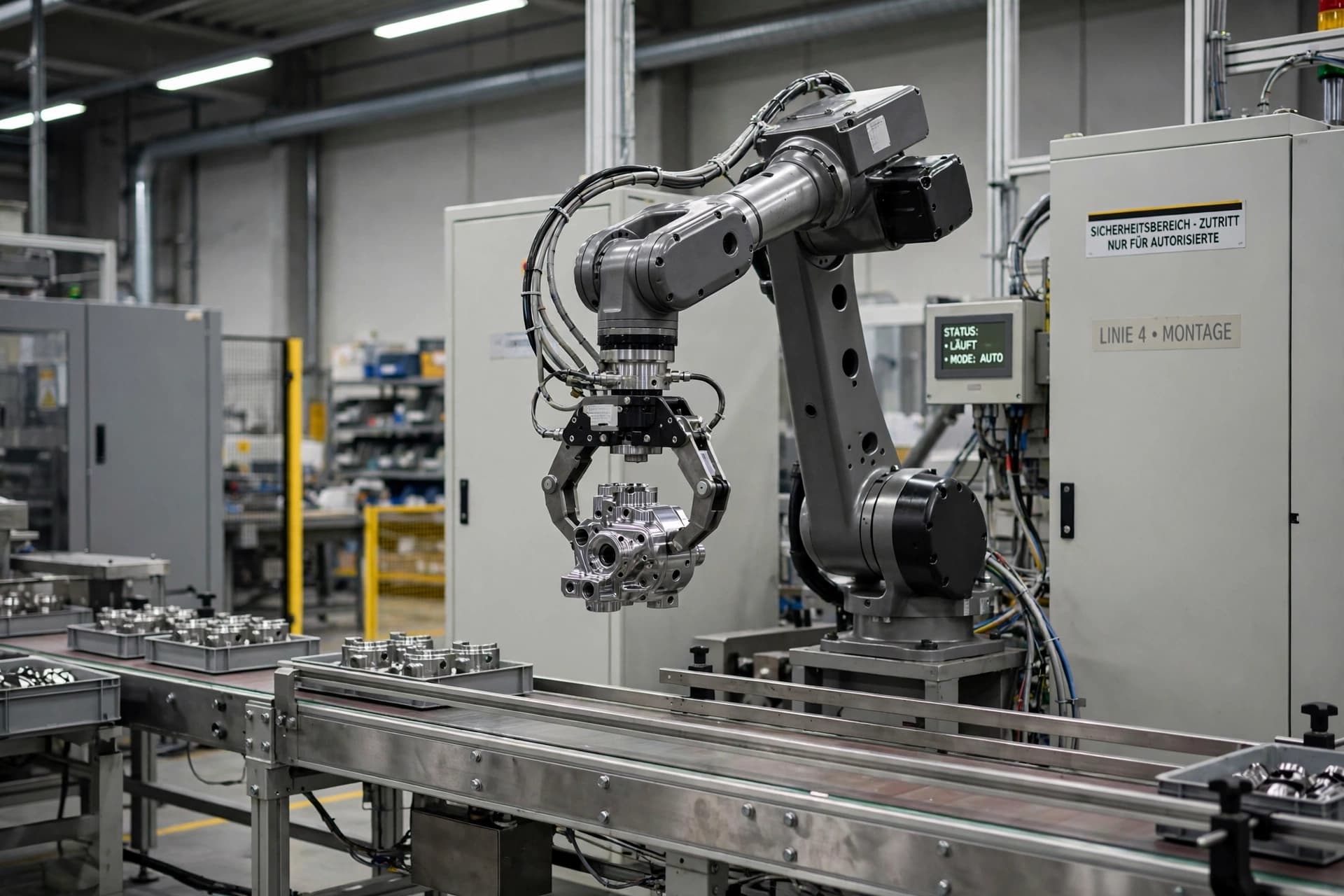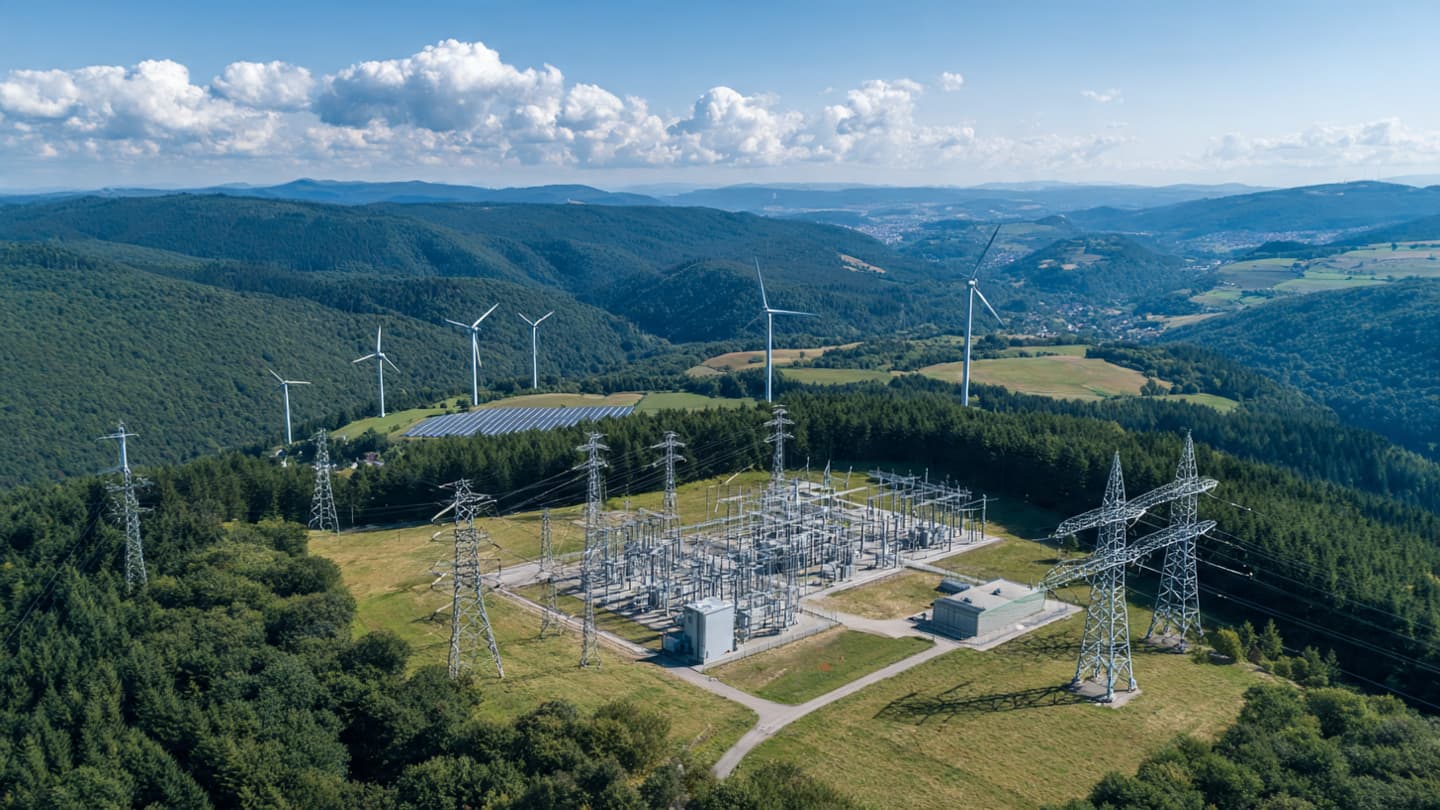
Energy rarely attracts attention when everything works as expected. Lights turn on, factories operate, and transportation systems move without interruption. Yet beneath this everyday reliability lies an intricate network of infrastructure, planning, and cooperation. Across Europe, governments increasingly recognize that energy security depends not only on domestic resources but also on strong partnerships. France and Germany are reinforcing that understanding through deeper cooperation on energy policy and infrastructure.
The initiative reflects the strategic importance of reliable energy supplies in a rapidly changing world. Both countries view cooperation as a means of improving resilience while supporting long-term economic stability. Shared projects and coordinated planning are expected to play central roles in achieving those objectives.
France and Germany occupy influential positions within the European energy landscape. Their decisions often affect broader regional strategies related to electricity generation, grid integration, and renewable energy development. Enhanced collaboration may therefore have implications beyond their national borders.
Infrastructure remains a key area of focus. Modern energy systems depend on interconnected networks capable of balancing supply and demand efficiently. Cross-border cooperation can strengthen flexibility while improving the ability to respond to unexpected disruptions.
Renewable energy development also features prominently within discussions. Wind, solar, and other low-carbon technologies are becoming increasingly important components of Europe's energy mix. Cooperation may help accelerate deployment while improving coordination among national systems.
Businesses are closely monitoring developments. Reliable energy supplies influence investment decisions, industrial activity, and economic competitiveness. Companies generally favor policies that support predictability and long-term planning.
Energy security is increasingly linked to technological innovation as well. Advances in storage systems, digital grid management, and clean energy technologies are creating new opportunities for cooperation. Joint initiatives can help accelerate research and deployment efforts.
Environmental objectives remain an important consideration. Policymakers seek to balance security, affordability, and sustainability as they shape future energy strategies. Achieving these goals requires coordination among governments, businesses, and infrastructure operators.
The broader European context continues to influence decision-making. Energy markets are highly interconnected, making cooperation an important tool for addressing challenges that extend beyond national boundaries. Shared approaches may contribute to greater stability throughout the region.
As France and Germany deepen their partnership, the effort highlights a simple reality: modern energy systems depend on collaboration as much as technology. The electricity flowing across borders may be invisible, but the relationships supporting it are increasingly important to Europe's future.
AI IMAGE DISCLAIMER Graphics are AI-generated and intended for representation, not reality.
SOURCES Reuters, AFP, Bloomberg, Financial Times, European Commission
Published by Banx Network. This article is part of the Banx decentralized media programme, powered by the BXE token on the XRP Ledger.

.jpg&w=3840&q=75 "The Artemis Revolution: How NASA Plans to Build Humanity's Future on the Moon")