
Key Highlights
- France and Germany are enhancing energy cooperation to ensure stability.
- The partnership focuses on renewable energy and infrastructure development.
- Shared projects aim to improve resilience in the face of global challenges.
[Energy Cooperation in Europe]
Energy rarely attracts attention when everything works as expected. Lights turn on, factories operate, and transportation systems move without interruption. Yet beneath this everyday reliability lies an intricate network of infrastructure, planning, and cooperation. Across Europe, governments increasingly recognize that energy security depends not only on domestic resources but also on strong partnerships. France and Germany are reinforcing that understanding through deeper cooperation on energy policy and infrastructure.
The initiative reflects the strategic importance of reliable energy supplies in a rapidly changing world. Both countries view cooperation as a means of improving resilience while supporting long-term economic stability. Shared projects and coordinated planning are expected to play central roles in achieving those objectives, particularly as Europe faces challenges such as fluctuating energy prices and geopolitical tensions.
[Influence on the European Energy Landscape]
France and Germany occupy influential positions within the European energy landscape. Their decisions often affect broader regional strategies related to electricity generation, grid integration, and renewable energy development. Enhanced collaboration may therefore have implications beyond their national borders, potentially influencing energy policies in neighboring countries and contributing to a more unified European energy strategy.
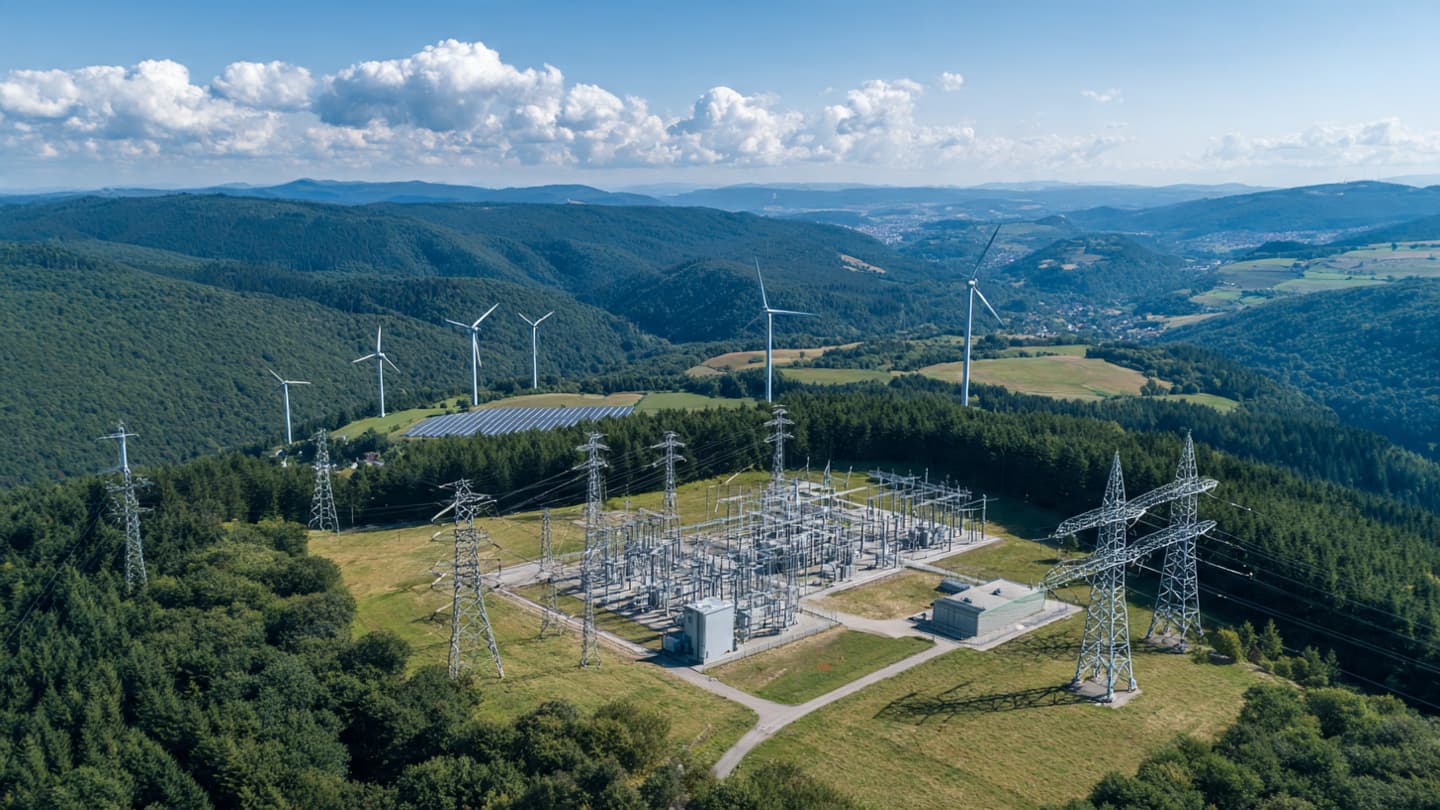
Infrastructure remains a key area of focus. Modern energy systems depend on interconnected networks capable of balancing supply and demand efficiently. Cross-border cooperation can strengthen flexibility while improving the ability to respond to unexpected disruptions, such as those caused by natural disasters or geopolitical conflicts. This interconnectedness is crucial for maintaining energy security across the continent.
[Renewable Energy Development]
Renewable energy development also features prominently within discussions. Wind, solar, and other low-carbon technologies are becoming increasingly important components of Europe's energy mix. Cooperation may help accelerate deployment while improving coordination among national systems. France and Germany's partnership could serve as a model for other nations looking to enhance their renewable energy capabilities and reduce carbon emissions.
[Impact on Businesses and Investment]
Businesses are closely monitoring developments. Reliable energy supplies influence investment decisions, industrial activity, and economic competitiveness. Companies generally favor policies that support predictability and long-term planning. As France and Germany strengthen their energy cooperation, businesses may find new opportunities for investment in renewable technologies and infrastructure projects, further driving economic growth.
[Technological Innovation and Environmental Goals]
Energy security is increasingly linked to technological innovation as well. Advances in storage systems, digital grid management, and clean energy technologies are creating new opportunities for cooperation. Joint initiatives can help accelerate research and deployment efforts, ensuring that both countries remain at the forefront of energy innovation. Environmental objectives remain an important consideration, as policymakers seek to balance security, affordability, and sustainability in shaping future energy strategies.
The broader European context continues to influence decision-making. Energy markets are highly interconnected, making cooperation an important tool for addressing challenges that extend beyond national boundaries. Shared approaches may contribute to greater stability throughout the region, fostering a collaborative environment that benefits all member states.
As France and Germany deepen their partnership, the effort highlights a simple reality: modern energy systems depend on collaboration as much as technology. The electricity flowing across borders may be invisible, but the relationships supporting it are increasingly important to Europe's future.
Published by Banx Network. This article is part of the Banx decentralized media programme, powered by the BXE token on the XRP Ledger.



