Names carry weight, especially when they are etched into the infrastructure of our daily lives. On a recent day in July 2026, two significant landmarks in the United States underwent a transformation of identity. In Florida, an airport received a new name, and in Tennessee, a bridge was dedicated to former President Donald Trump. The simultaneity of these events added a layer of symbolic resonance to the political landscape.
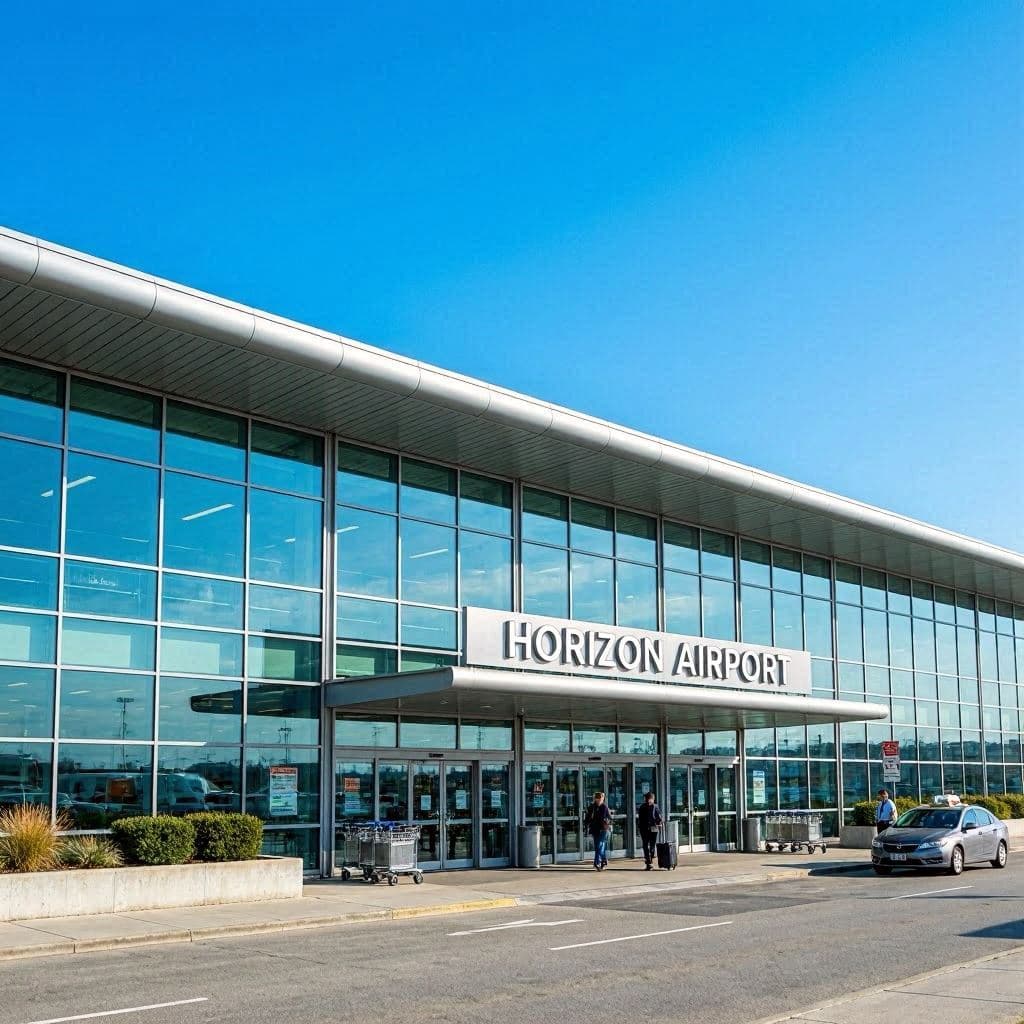
The renaming of the airport in Florida marks a significant gesture of support from local leaders who view Trump as a pivotal figure in modern American politics. For supporters, it is a celebration of his legacy and influence. For others, it is a reminder of the deep divisions that continue to characterize the national discourse. The airport, a hub of travel and connection, now bears a name that sparks conversation among travelers.
Similarly, the bridge in Tennessee stands as a testament to the enduring impact of Trump’s presidency on certain regions. Bridges are often seen as symbols of unity, connecting one side to another. By naming it after a polarizing figure, the dedication invites reflection on what unity means in a divided era. It is a structure that physically connects communities while politically dividing opinions.
The ceremonies were marked by speeches from local officials and supporters, who praised Trump’s contributions to their states. Yet, the events also drew criticism from those who believe that public infrastructure should remain neutral ground. The debate over naming rights is not new, but it has taken on renewed intensity in recent years.
For residents, the changes are more than just signs on a map. They represent a shift in how history is remembered and honored. Some welcome the recognition, seeing it as a rightful acknowledgment of leadership. Others feel that it imposes a political narrative on public spaces that should serve everyone equally.
The dual renamings on the same day highlight the coordinated efforts of Trump’s allies to cement his legacy in physical form. It is a strategy that uses geography to reinforce political memory. As people pass under the bridge or through the airport, they are reminded of the man whose name now defines these spaces.
In the end, names are powerful tools of memory. Whether viewed as honors or impositions, they shape how we interact with our environment. The Florida airport and Tennessee bridge now stand as monuments to a specific vision of America, one that continues to inspire strong feelings on both sides of the aisle.
Closing: The simultaneous renaming of a Florida airport and a Tennessee bridge after Donald Trump underscores the ongoing effort to embed his legacy in American infrastructure. While supporters celebrate the honor, critics question the politicization of public spaces. The debate reflects the broader cultural divisions in the country.
AI Image Disclaimer: The images associated with this piece are AI-generated and serve as artistic interpretations of the described events.
Sources: Local News Networks, Political Wire, Associated Press
Published by Banx Network. This article is part of the Banx decentralized media programme, powered by the BXE token on the XRP Ledger.