
Key Highlights
- Legal Action:Prosecutors in South Korea are seeking a one-year jail term for a renowned chef.
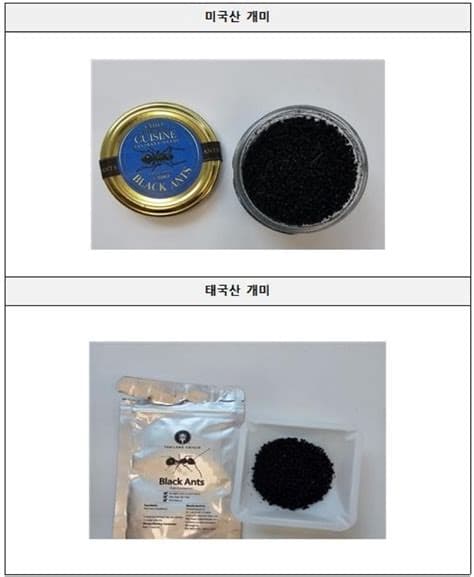
- Dessert Controversy:The chef is accused of using dried ants as a topping for desserts.
- Health Regulations:Ants are not approved for human consumption in South Korea.
Prosecutors in South Korea have initiated legal proceedings against the owner of a two-Michelin-starred restaurant, requesting a one-year jail term for allegedly serving dried ants as a dessert topping. This unusual case has garnered significant attention, particularly as it raises questions about food safety and health regulations in the culinary world. The chef, whose identity has not been disclosed, is accused of violating food safety laws by using insects that are not approved for human consumption.
The controversy began when diners at the restaurant shared photos on social media, showcasing dishes adorned with ants. These posts prompted an investigation by health authorities, who discovered that the restaurant had reportedly used approximately 49,000 ants over a span of four years. The sheer volume of insects used has shocked many, leading to public outcry and scrutiny of the restaurant's practices.
In addition to the jail term, prosecutors are also seeking a fine of 20 million won (approximately $17,000) against the restaurant. The case highlights the delicate balance between culinary innovation and adherence to health regulations. While some chefs experiment with unconventional ingredients to create unique dining experiences, this incident serves as a reminder of the legal and ethical boundaries that must be respected.
The court is expected to deliver its verdict on September 2, and the outcome could have significant implications for the restaurant's reputation and the broader culinary community in South Korea. As the case unfolds, it raises important questions about the responsibilities of chefs and restaurateurs in ensuring the safety and legality of their food offerings.
This incident is not just a legal matter; it reflects a growing trend in the culinary world where chefs are increasingly pushing the boundaries of traditional cuisine. However, as this case illustrates, such creativity must be tempered with a commitment to food safety and public health.
As the date for the verdict approaches, both supporters and critics of the chef are voicing their opinions. Some argue that the use of insects in cuisine is a sustainable practice that should be embraced, while others maintain that serving unapproved species poses a serious health risk. The outcome of this case may set a precedent for how similar issues are handled in the future.
Published by Banx Network. This article is part of the Banx decentralized media programme, powered by the BXE token on the XRP Ledger.



