
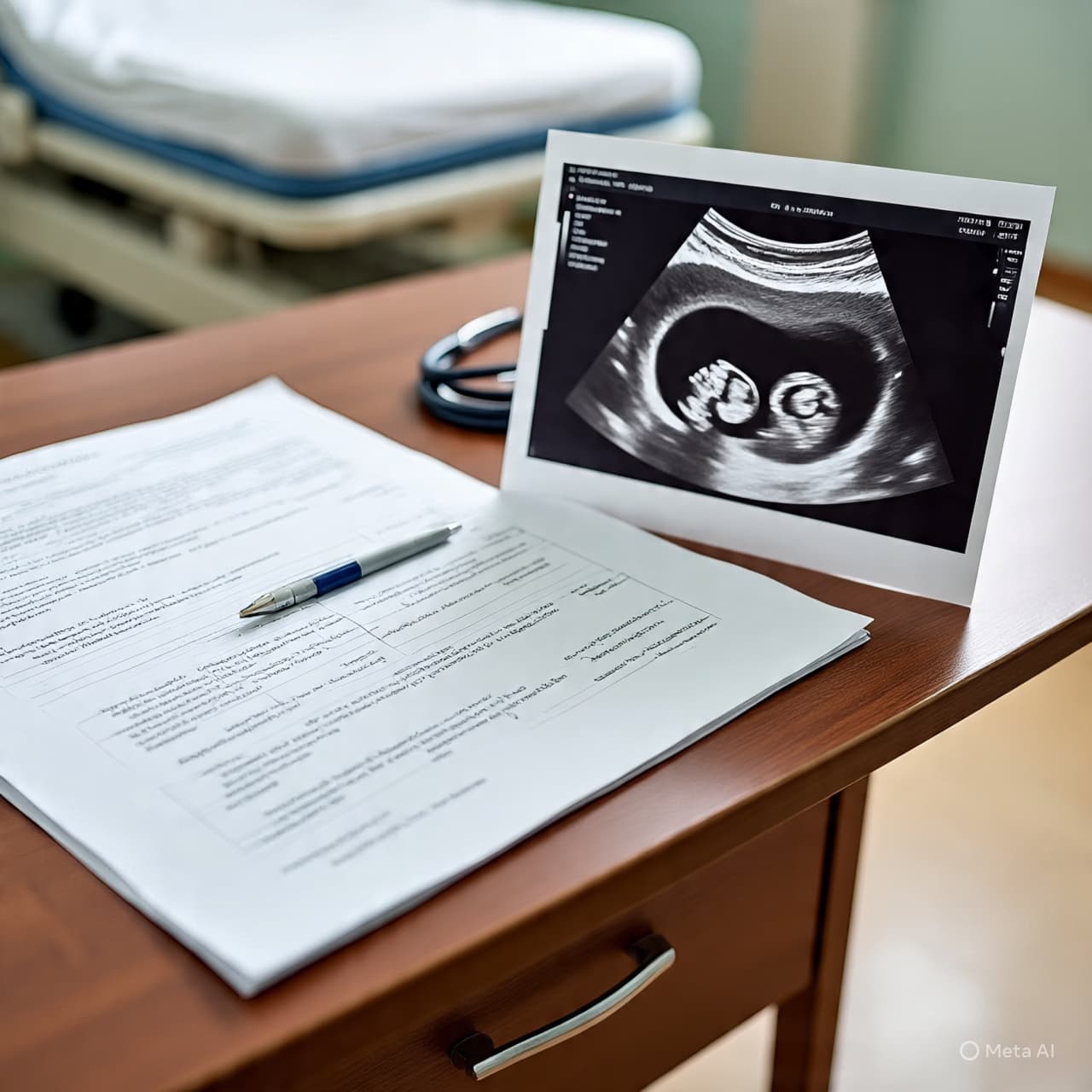
There are decisions made quietly in exam rooms that carry the weight of two heartbeats. Pregnancy has always been a season of careful choices — what to eat, how to rest, which precautions to take against unseen risks. In recent years, the conversation around COVID-19 vaccination during pregnancy has joined that intimate list, shaped by evolving evidence and the steady accumulation of data.
New research indicates that receiving a COVID-19 vaccine during pregnancy was associated with a reduced risk of preeclampsia, a serious pregnancy complication characterized by high blood pressure and potential organ damage. The finding adds another dimension to ongoing discussions about maternal vaccination, suggesting that protection may extend beyond infection prevention alone.
Preeclampsia typically develops after 20 weeks of pregnancy and can lead to severe health consequences for both mother and baby if left unmanaged. It is associated with increased risks of preterm birth, low birth weight, and, in severe cases, maternal or neonatal mortality. While its precise causes remain complex and multifactorial, inflammation and vascular dysfunction are thought to play central roles.
COVID-19 infection itself has been linked in several studies to higher rates of pregnancy complications, including preeclampsia. Researchers have suggested that the virus’s inflammatory effects and impact on blood vessels may contribute to this increased risk. Against that backdrop, vaccination may serve as a protective factor — reducing the likelihood of severe infection and, by extension, lowering associated complications.
The recent findings draw on large population datasets comparing pregnancy outcomes among vaccinated and unvaccinated individuals. After adjusting for variables such as age, underlying health conditions, and access to care, researchers observed a statistically significant reduction in preeclampsia rates among those who had received the vaccine. While the precise magnitude of risk reduction varied across studies, the overall trend supported a protective association.
Medical professionals emphasize that observational data cannot establish absolute causation. However, the consistency of findings across multiple cohorts strengthens confidence in the conclusion. Importantly, COVID-19 vaccines have already been shown to be safe during pregnancy, with no increased risk of miscarriage or major adverse neonatal outcomes in large-scale studies.
Beyond preeclampsia, maternal vaccination has also been associated with reduced rates of severe COVID-19 illness, hospitalization, and intensive care admission during pregnancy. In some cases, antibodies generated through vaccination have been detected in newborns, offering potential passive protection in early life.
Public health guidance from major health authorities continues to recommend COVID-19 vaccination for pregnant individuals, citing the balance of benefits over risks. The addition of potential protection against preeclampsia may provide further reassurance for those weighing their options.
At the same time, healthcare providers stress the importance of individualized discussions. Pregnancy care is deeply personal, and decisions about vaccination should be made in consultation with obstetricians or primary care professionals who can consider each patient’s health history and circumstances.
In direct terms, current evidence suggests that COVID-19 vaccination during pregnancy was associated with a reduced risk of preeclampsia, alongside established protection against severe COVID-19 illness. Researchers continue to monitor long-term outcomes as additional data become available.
AI Image Disclaimer: Images in this article are AI-generated illustrations, meant for concept only.
Source Check:
Reuters The New York Times BBC The Guardian JAMA Network
Published by Banx Network. This article is part of the Banx decentralized media programme, powered by the BXE token on the XRP Ledger.


.jpg&w=3840&q=75 "Qantas Grounds Plane After Passengers Report Bedbug Bites")