On a chilly December morning, as diplomats prepare briefing rooms and negotiators gather documents, the path toward peace can seem as delicate and unpredictable as a paper plane caught in a sudden gust. In recent months, two of the United States’ most visible figures in the effort to end the war in Ukraine — Special Envoy Steve Witkoff and Secretary of State Marco Rubio — have found themselves navigating not just international fault lines but internal strains within Washington’s own halls.
The story begins not on the polished stage of a summit but in the quieter tension of coordination. According to multiple current and former U.S. officials, Witkoff has embarked on travel and talks with foreign counterparts without fully notifying Rubio or the State Department, creating moments of surprise and friction within the administration. In one noted incident, Rubio learned that Witkoff had arranged to meet Ukrainian officials — plans that Rubio’s team was only made aware of when sought out by Ukrainian counterparts themselves. The episode prompted Rubio to reposition himself to ensure he would not be left out of key discussions.
This isn’t merely a matter of schedules and itineraries; it speaks to deeper differences in how the two envoys view the difficult work of negotiation. Witkoff, a real‑estate veteran turned presidential envoy, has pressed forward with an approach that some critics say prioritizes speed and flexibility, even if it means leaning on unconventional channels and interpretations. Rubio, by contrast, has advocated a strategy that blends pressure on Russia with careful coordination with European and Ukrainian partners, emphasizing that any agreement must sustain Ukraine’s sovereignty and security.
Amid these interpersonal dynamics lie questions about security and diplomatic protocol. Officials familiar with internal discussions have expressed concern about Witkoff’s use of personal travel and communications, including reliance — at times — on non‑government systems. These practices, according to security experts, risk exposing sensitive negotiations to foreign intelligence interception, especially in a conflict as contested as the one in Ukraine. U.S. officials say efforts are underway to equip Witkoff with secure systems for travel, yet concerns persist about consistent use and adherence to standard protections.
Despite these tensions, both leaders continue to champion their country’s peace efforts. Recent talks involving representatives from the U.S., Ukraine, and Europe were described by officials as “productive and constructive,” reflecting a shared desire to find pathways out of a war that has lasted nearly four years. Rubio reiterated that negotiations remain essential and that success will require both strategic patience and steadfast support for Ukraine’s long‑term future. Meanwhile, Witkoff emphasized ongoing dialogue and a shared commitment among participants to seek an end to hostilities.
The diplomacy of war is seldom straightforward. It involves not just the choreography of talks between governments, but the often unseen interplay of personalities, priorities, and judgment calls made on the move. In this case, as U.S. envoys criss‑cross continents and conference rooms, the story of their interaction — and occasional misstep — becomes part of the broader narrative of how America seeks to steer an enduring conflict toward peace.
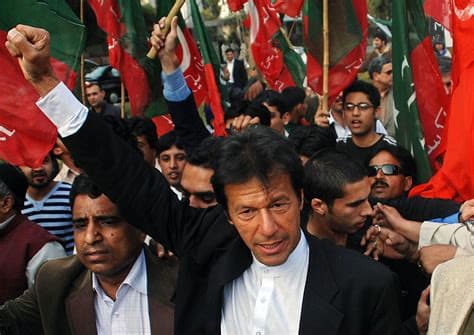
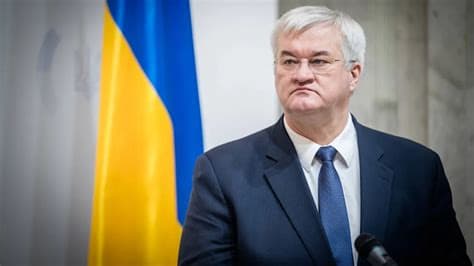
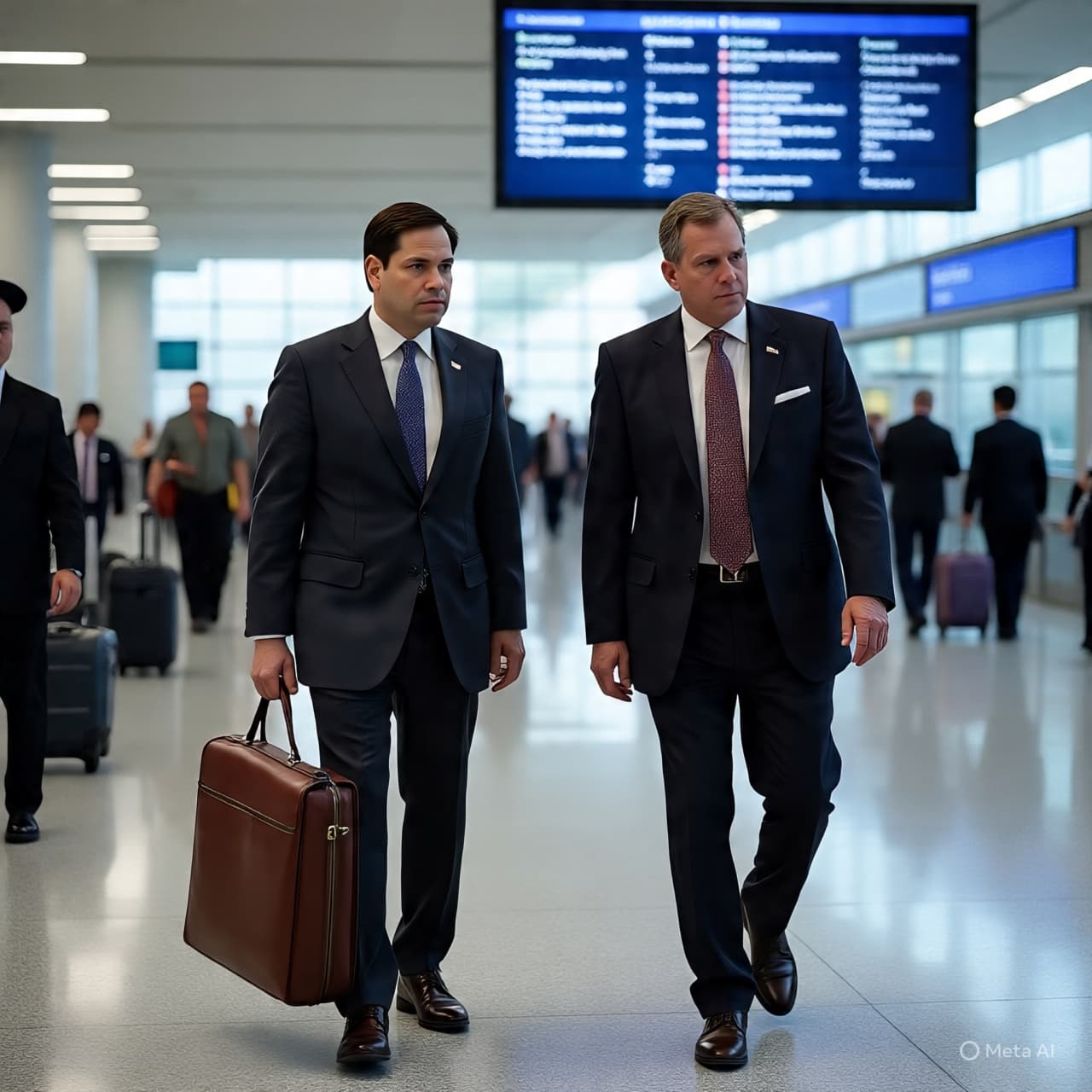
AI Image Disclaimer Visuals are created with AI tools and are not real photographs.
Sources Reuters AOL News (summary of U.S. internal diplomacy reporting) Associated Press The Guardian New Indian Express
Published by Banx Network. This article is part of the Banx decentralized media programme, powered by the BXE token on the XRP Ledger.