
Key Highlights
- Heathrow Airport experienced a pepper-spray incident, causing temporary evacuations.
- Police reversed a decision on firearm protocols related to a high-profile case.
- Both events highlight the challenges of maintaining public safety and security.
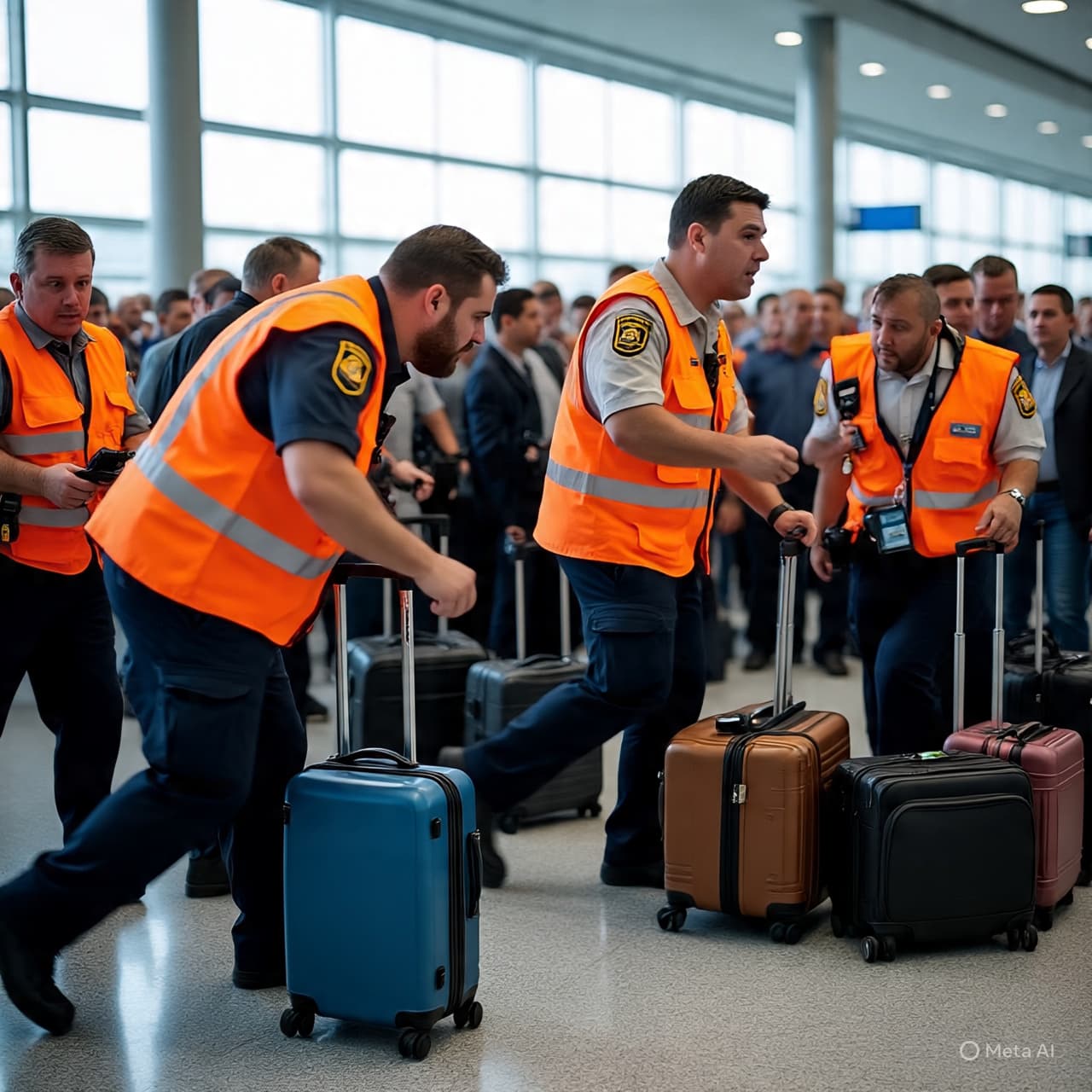
Heathrow Airport, one of the busiest travel hubs in the world, faced a significant disruption recently when a reported pepper-spray incident sent travelers into a state of panic. Witnesses described a chaotic scene as coughing and confusion spread through the terminals, prompting swift action from airport staff and security teams. Sections of the terminal were closed off, and emergency services were called in to manage the situation. Fortunately, authorities later confirmed that the incident was isolated, with no broader threat detected. This event serves as a stark reminder of how quickly order can be disrupted in environments designed for constant movement and security.
On the same day, a separate but equally significant event unfolded in the realm of law enforcement. Police forces announced a reversal of an earlier decision regarding firearm protocols associated with a high-profile protective case. This internal reassessment, referred to as a “U-turn,” highlights the complexities and evolving nature of law enforcement policies. The decision reflects a balancing act between operational caution and the expectations of the public, illustrating how police procedures can shift in response to scrutiny and changing circumstances.
While the pepper-spray incident and the police policy reversal were unrelated, they both underscore a common theme: the delicate balance between security measures and the environments they are meant to protect. Airports are equipped with multiple layers of security, yet incidents like the one at Heathrow reveal how quickly a controlled setting can descend into chaos. Similarly, the police's procedural changes demonstrate how internal decisions can have far-reaching implications, prompting public discourse about consistency and transparency in law enforcement.
Both events point to a broader truth about institutions tasked with public safety: they operate in a realm where certainty is often elusive. Responses to incidents must be immediate, and the margin for error is razor-thin. For travelers at Heathrow, the day concluded with cleared terminals and resumed operations, while the police units involved in the policy reversal faced renewed calls for clarity and consistency in their procedures.
In conclusion, the pepper-spray incident at Heathrow and the police's reversal of firearm protocols highlight ongoing challenges in maintaining public confidence in safety measures. As institutions navigate these complexities, the need for effective communication and clear policies remains paramount.
Published by Banx Network. This article is part of the Banx decentralized media programme, powered by the BXE token on the XRP Ledger.



