

Key Highlights
- New Device:Researchers have developed a system that converts sunlight into fuel without traditional battery storage.
- Sustainable Energy:This innovation aims to simplify renewable energy applications by reducing reliance on intermediate storage.
- Advances in Technology:The device builds on decades of research in artificial photosynthesis and solar-driven chemistry.
[Introduction] Sunlight has illuminated Earth for billions of years, sustaining ecosystems and shaping climates across the planet. For scientists and engineers, it also represents one of humanity's most promising energy resources. A newly developed device capable of producing fuel directly from sunlight offers another glimpse into that possibility.
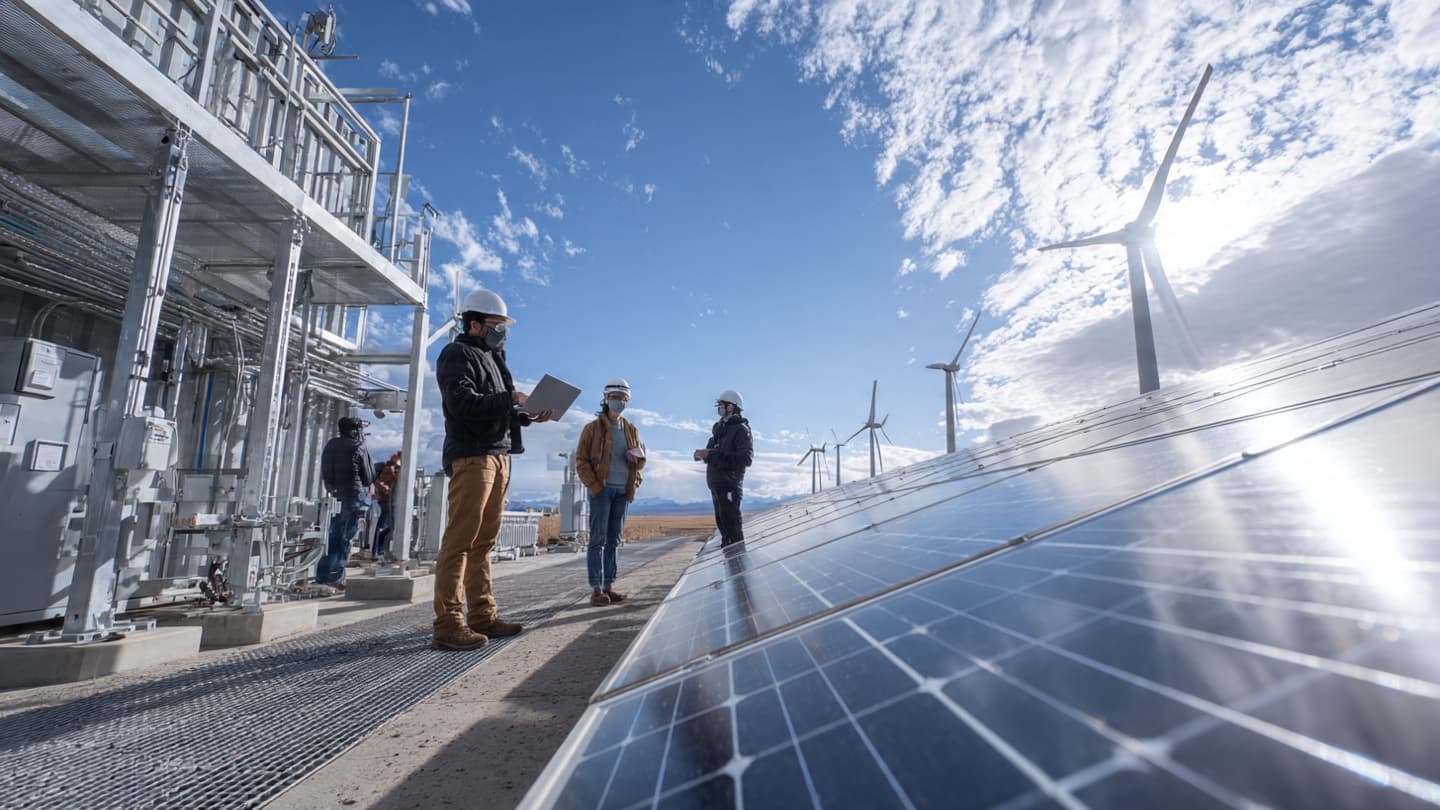
[The Breakthrough] Researchers have unveiled a system that converts solar energy into fuel without relying on traditional battery storage. This innovative technology captures sunlight and uses it to drive chemical reactions that generate usable energy products. By eliminating the need for batteries, the device could pave the way for more efficient and sustainable energy production.
[Significance of the Technology] Scientists involved in the project describe the technology as a significant step toward simplifying future renewable energy applications. By reducing dependence on intermediate storage systems, the device could streamline the process of converting solar energy into usable fuel. This advancement is crucial as the world seeks to transition away from fossil fuels and toward cleaner energy sources.
[Building on Existing Research] The concept builds upon decades of research into artificial photosynthesis and solar-driven chemistry. Much like plants transform sunlight into chemical energy, researchers aim to create engineered systems capable of performing similar functions on a larger scale. This approach not only enhances energy efficiency but also aligns with the natural processes that have sustained life on Earth for millennia.
[Current Landscape of Renewable Energy] Renewable energy technologies have advanced rapidly in recent years. Improvements in solar panels, battery systems, and hydrogen production have expanded opportunities for reducing reliance on fossil fuels. The newly developed device may contribute to these efforts by providing an alternative pathway for generating energy-rich fuels. Researchers continue to evaluate performance, efficiency, and scalability under different operating conditions.
[Future Prospects] Experts note that significant work remains before such technologies can be deployed commercially. Laboratory successes must undergo extensive testing to determine long-term reliability and economic feasibility. Nevertheless, scientific advances often emerge through gradual improvements. Each new development contributes knowledge that can inform future innovations and accelerate technological progress.
[Conclusion] As the world continues searching for sustainable energy solutions, the latest breakthrough illustrates how scientific creativity can uncover new ways to harness one of Earth's most abundant natural resources: sunlight. This innovation not only represents a step forward in renewable energy technology but also highlights the potential for future advancements in the field.
Published by Banx Network. This article is part of the Banx decentralized media programme, powered by the BXE token on the XRP Ledger.




