
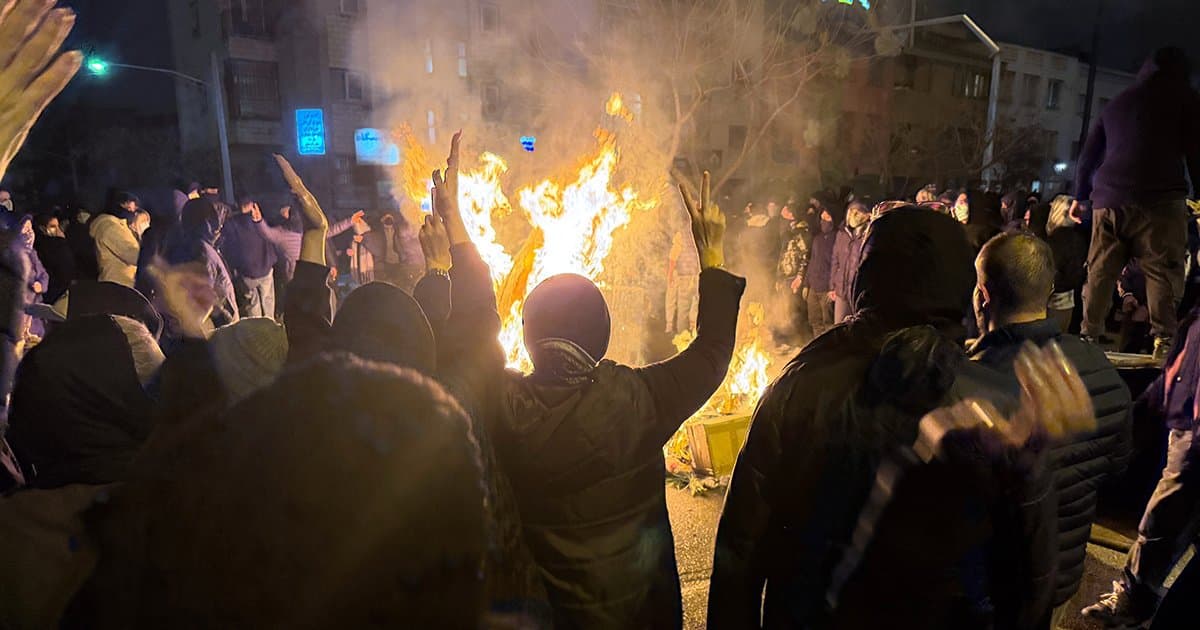
In a controversial development, Turkey has forged an agreement with Iran aimed at cooperating on the arrest of protesters who challenge the government. This arrangement has raised significant concerns among human rights advocates and underscores the ongoing struggles for freedom of expression in both countries.
The agreement allows Turkish authorities to work closely with Iranian security forces to monitor and apprehend individuals participating in anti-government protests. This collaboration is seen as a response to the increasing demonstrations in both nations, driven by political and economic grievances.
Officials from both countries have expressed a unified stance against dissent, highlighting a shared interest in maintaining regime stability. Analysts suggest that this pact may not only target protesters from Iran but could also extend to individuals and groups in Turkey advocating for democratic reforms.
Critics argue that such measures threaten civil liberties and stifle legitimate dissent, raising alarms over potential human rights abuses. International organizations have condemned the agreement, calling it a dangerous precedent that undermines citizens' rights to peaceful assembly and expression.
As protests continue to unfold in both Turkey and Iran, the implications of this agreement will be closely monitored by activists and observers. The situation reflects broader tensions in the region, where multiple governments are grappling with unrest and calls for change.
Published by Banx Network. This article is part of the Banx decentralized media programme, powered by the BXE token on the XRP Ledger.


