
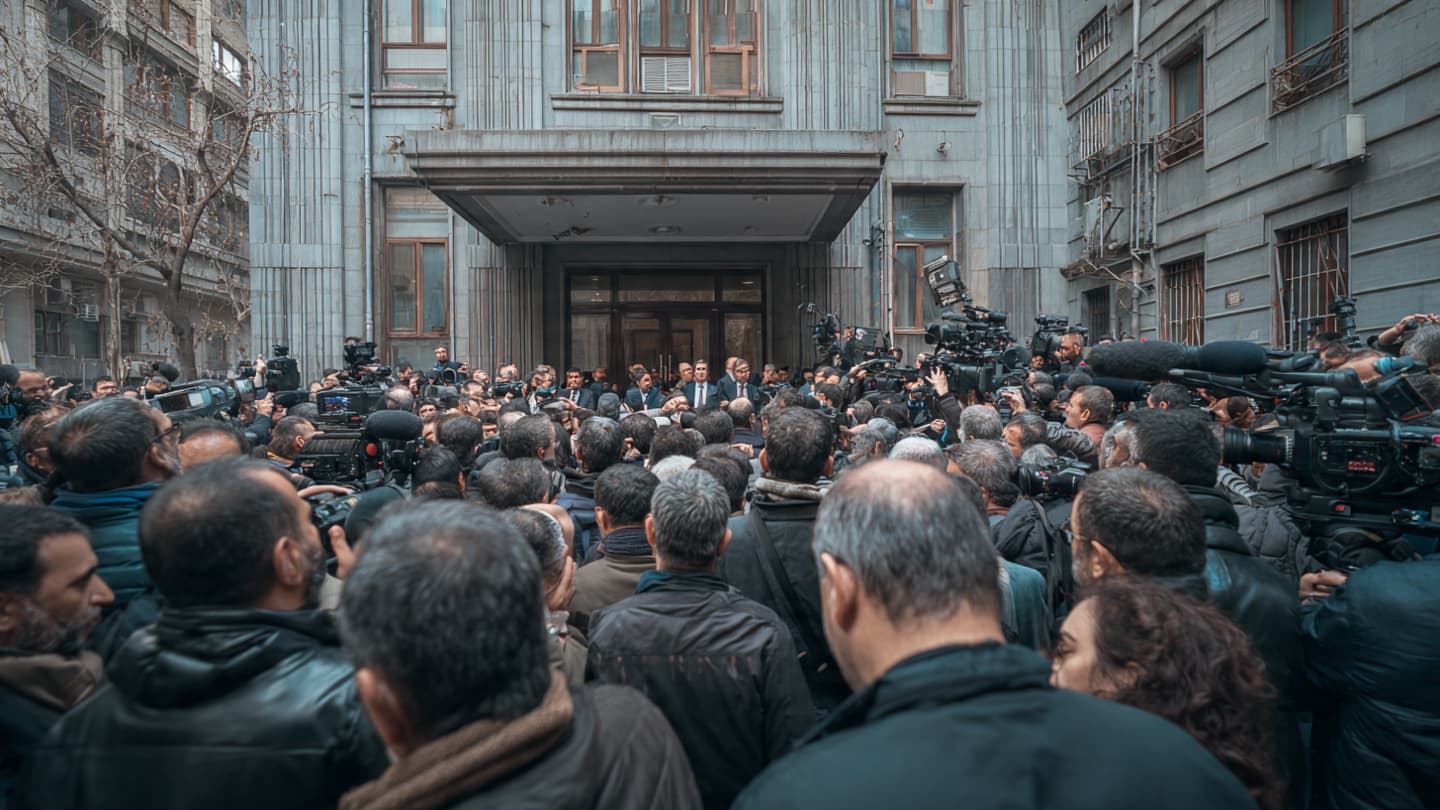
Political crises often unfold gradually, like fault lines beneath familiar streets becoming visible after years of pressure. In Turkey, tensions between government institutions and opposition groups have once again intensified following a controversial court ruling that reshaped the country’s already polarized political atmosphere.
Turkey’s opposition parties vowed to resist a court decision removing a prominent opposition leader from office, describing the ruling as politically motivated and damaging to democratic norms. The dispute deepened concerns about institutional independence and political stability across the country.
Opposition representatives announced plans to challenge the ruling through legal appeals, public demonstrations, and parliamentary action. Party officials argued that the decision threatened political pluralism and undermined confidence in Turkey’s democratic institutions.
Government supporters and officials defended the ruling as a legitimate judicial process carried out according to Turkish law. Authorities rejected accusations of political interference and stated that courts must operate independently from partisan pressure.
The controversy quickly fueled protests and political debate across several major Turkish cities. Demonstrators gathered outside courthouses and government buildings, while security forces monitored public gatherings amid concerns over escalating tensions.
Analysts noted that Turkey’s political climate has remained highly polarized following years of constitutional reforms that expanded presidential authority. Judicial decisions involving opposition figures frequently carry broader significance due to ongoing debates about democratic governance.
International observers, including several European officials, called for transparency and respect for legal procedures while monitoring developments closely. Turkey’s government, however, criticized some foreign reactions as external interference in domestic affairs.
Financial markets also reacted cautiously to the uncertainty surrounding the political crisis. Economists warned that prolonged instability could affect investor confidence, currency performance, and broader economic sentiment during an already challenging economic period.
For now, opposition leaders insist resistance efforts will continue as legal proceedings move forward. The unfolding dispute reflects how Turkey’s political future remains deeply connected to questions surrounding judicial authority, democratic competition, and public trust in state institutions.
AI-generated imagery is included solely for visual illustration purposes.
Sources: Reuters, BBC, Al Jazeera, Financial Times, Associated Press
Published by Banx Network. This article is part of the Banx decentralized media programme, powered by the BXE token on the XRP Ledger.

.jpg&w=3840&q=75 "Romania Passes Controversial Integrity Law for Officials to Access EU Funds")
