

Key Highlights
- Ebola cases are rising in the Democratic Republic of Congo, prompting urgent health measures.
- Attacks on burial teams highlight the challenges of community trust in health responses.
- Misinformation and fear complicate public health efforts during outbreaks.
Public health efforts often depend on trust as much as medicine. Vaccines, protective equipment, and trained personnel are essential tools, yet cooperation between communities and health workers can be equally important. In the Democratic Republic of Congo, recent developments surrounding an Ebola outbreak have underscored this delicate balance.
Health authorities in the Democratic Republic of Congo have reported growing concerns related to Ebola cases in parts of the country. The outbreak has prompted renewed efforts to contain transmission and protect vulnerable communities. As of the latest reports, health officials are working tirelessly to manage the situation, but the challenges they face are significant.
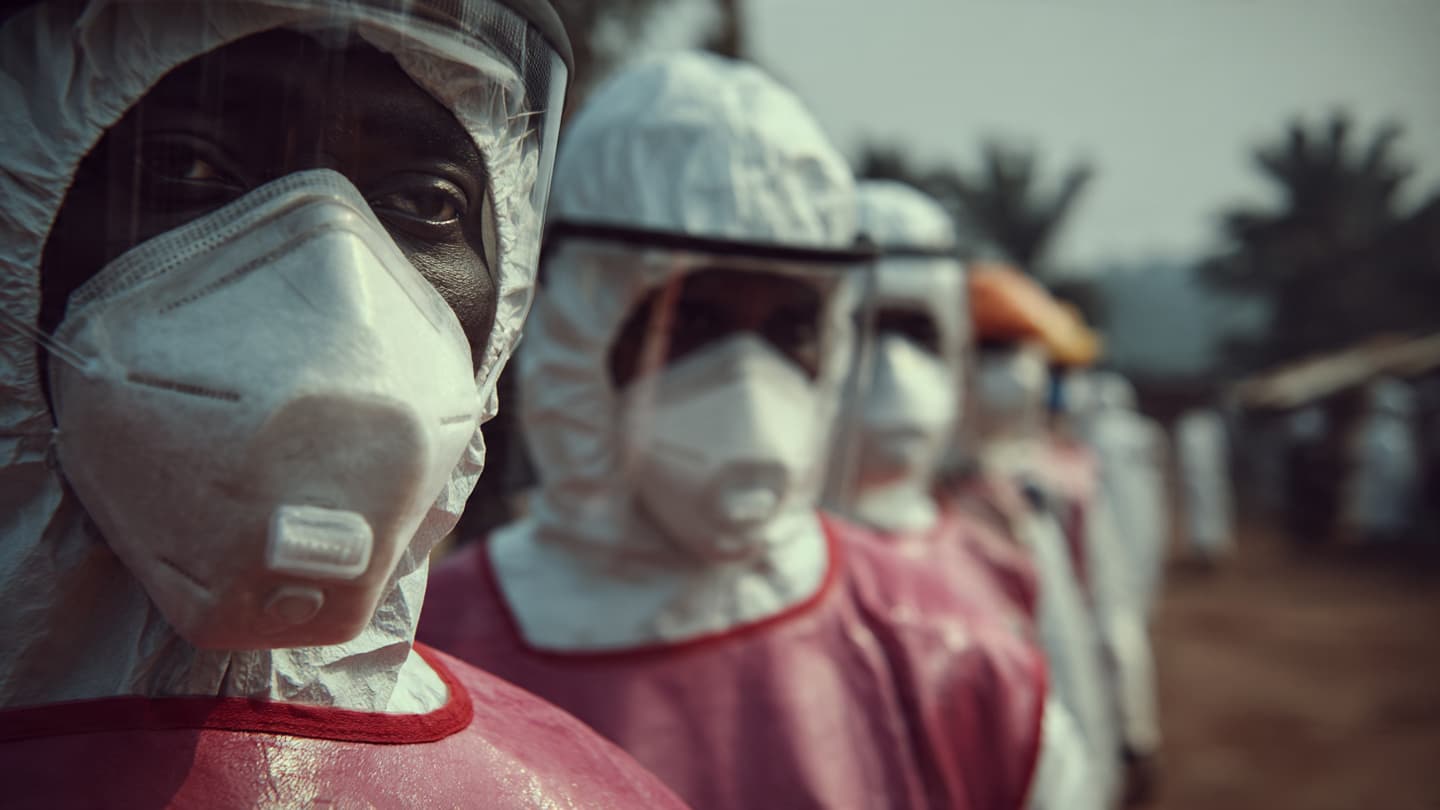
Among the most troubling developments are reports that teams involved in Ebola-related burial operations have faced attacks from local residents. These incidents create additional challenges for health officials attempting to manage the outbreak safely and effectively. The violence against health workers not only endangers their lives but also undermines the trust necessary for effective public health interventions.
Ebola is a severe viral disease that has affected several African countries over the past decades. While significant progress has been made in treatment and outbreak response, rapid containment remains critical whenever new cases emerge. Public health experts emphasize that the success of these efforts hinges on the cooperation of local communities, which can be jeopardized by fear and misinformation.
Misinformation, fear, and mistrust can complicate emergency responses. In communities experiencing outbreaks, rumors may spread quickly, making communication and public engagement especially important. Health officials are working to counteract false narratives and build trust through transparent communication and community involvement.
Medical teams continue conducting contact tracing, testing, treatment, and vaccination activities where appropriate. These measures are designed to interrupt chains of transmission and reduce the risk of wider spread. However, the effectiveness of these interventions is often contingent upon the level of trust that exists between health workers and the communities they serve.
International organizations are also supporting local authorities through technical expertise, medical resources, and logistical assistance. Collaborative efforts have played an important role in previous Ebola responses across the region. The involvement of international partners can help bolster local capacities, but it is crucial that these efforts are perceived positively by the communities affected.
Despite the challenges, health workers remain committed to controlling the outbreak. Many operate under demanding conditions while working to protect both affected communities and neighboring areas from further transmission. Their dedication is a testament to the importance of trust in public health initiatives, as it can significantly influence the success of containment efforts.
Officials continue urging cooperation between residents and response teams as containment efforts proceed. The situation serves as a reminder that effective public health responses rely on both scientific tools and community trust. Building and maintaining this trust is essential for overcoming the obstacles posed by outbreaks like Ebola.
Published by Banx Network. This article is part of the Banx decentralized media programme, powered by the BXE token on the XRP Ledger.




