In the quiet suburbs of Oviedo, Florida, where community trust is the bedrock of local governance, a recent revelation has sent shockwaves through the city hall and beyond. Mayor Megan Sladek expressed profound disbelief after learning that the local police department had installed a dummy Flock Safety camera—a decoy intended to mimic the real license-plate reading technology—without her knowledge or approval. Her reaction, captured in a social media post stating she was "speechless," highlights a growing tension between law enforcement tactics and municipal oversight.
Flock Safety cameras have become common tools for police departments across the United States, designed to capture license plate data to aid in criminal investigations. However, their use has sparked debate over privacy and civil liberties. In Oviedo, the controversy deepened when it was revealed that not only were real cameras in place, but a fake one had also been deployed as a deterrent. The intent was likely to discourage criminal activity by creating the perception of broader surveillance, but the method raised serious questions about transparency and honesty in public service.
For Mayor Sladek, the discovery was not just a procedural error but a breach of trust. She had previously engaged in discussions with residents concerned about privacy rights and the scope of surveillance. The installation of a decoy camera without council consultation undermined those efforts, suggesting a disconnect between the police department’s operational decisions and the elected officials’ policy directives. It highlighted the challenges of managing modern policing technologies in a democratic framework.
The public reaction has been mixed, with some residents appreciating the proactive approach to crime prevention while others feel deceived. Privacy advocates argue that using fake surveillance tools erodes public confidence and sets a dangerous precedent. If citizens cannot trust that the government is being transparent about its monitoring capabilities, cooperation with law enforcement may suffer. The incident has reignited calls for stricter regulations and clearer communication protocols regarding surveillance technology.
Police officials have defended the decision, citing the need for innovative strategies to combat crime in a resource-constrained environment. They argue that the decoy camera was a low-cost, high-impact tool that did not actually collect data, thus posing no direct privacy threat. However, this justification has failed to satisfy critics who believe that deception, even for benevolent purposes, is incompatible with ethical governance. The debate underscores the complex balance between security and civil rights.
As the story gained traction, other cities began to examine their own use of similar technologies. The Oviedo case serves as a cautionary tale for municipalities nationwide, prompting reviews of policies governing surveillance equipment. It raises important questions about who has the authority to deploy such tools and how much oversight is necessary to ensure accountability. The conversation is shifting from mere effectiveness to ethical implications.
For the residents of Oviedo, the incident is a reminder of the importance of civic engagement. It encourages them to stay informed about local policies and to hold their leaders accountable. Town hall meetings and council sessions have seen increased attendance, with citizens demanding greater transparency and input into decisions that affect their daily lives. This surge in participation is a positive outcome, fostering a more active and informed community.
In the end, the "fake camera" controversy is more than a local dispute; it is a reflection of broader societal concerns about privacy and power. It challenges leaders to navigate the complexities of modern technology with integrity and openness. For Mayor Sladek and the Oviedo Police Department, the path forward involves rebuilding trust through dialogue and clear guidelines. The hope is that this incident will lead to stronger safeguards and a more collaborative approach to public safety.
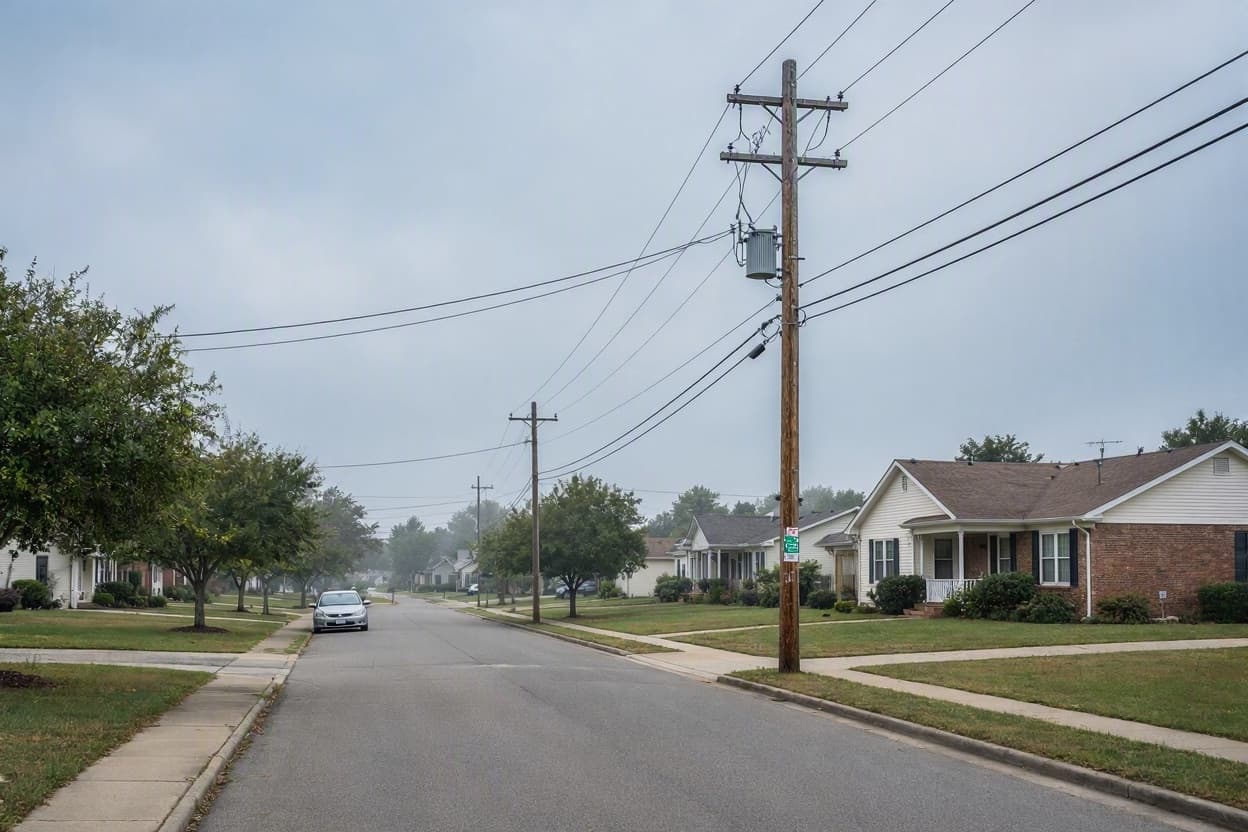
AI Image Disclaimer: The visual elements in this article are AI-generated illustrations depicting suburban streets and abstract representations of surveillance technology, designed to reflect the themes of privacy and governance without showing real proprietary camera hardware or specific individuals.
Sources: WESH 2 News, Fox 35 Orlando, WKMG, Facebook
Published by Banx Network. This article is part of the Banx decentralized media programme, powered by the BXE token on the XRP Ledger.