
Key Highlights
- Military tensions escalate between the U.S. and Iran amid missile attacks.
- Trump and Xi Jinping's potential meeting includes discussions on Iran.
- The Strait of Hormuz remains crucial for global oil transportation.
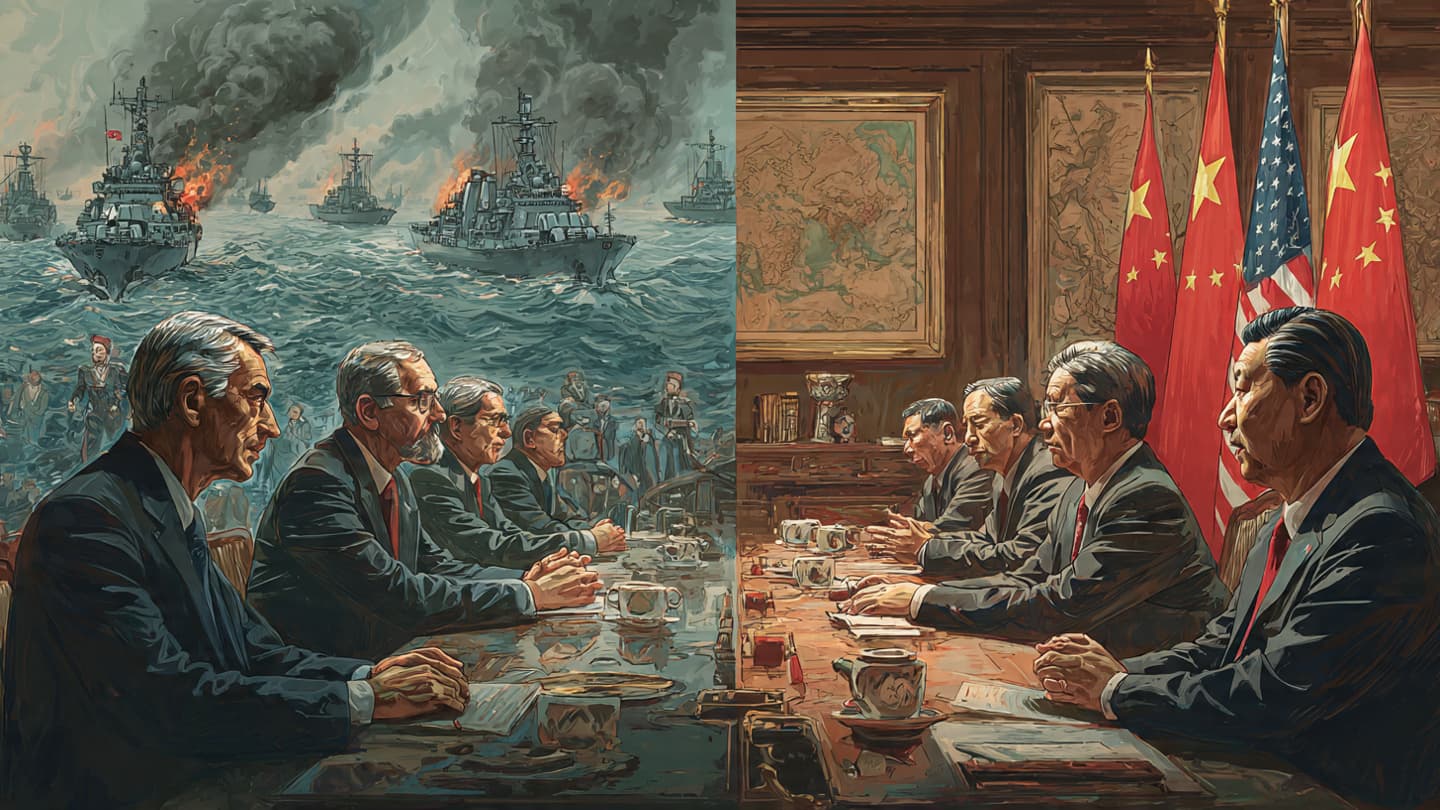
Recent developments in international relations have underscored the dual nature of global politics, where military confrontations and diplomatic negotiations coexist. The United States and Iran have seen a resurgence of military tensions, particularly following reported attacks involving Iranian missiles and naval units targeting U.S. destroyers in the strategically vital Strait of Hormuz. In response, American forces executed retaliatory strikes against Iranian military positions, heightening the already fragile ceasefire in the region.
Despite the escalating military exchanges, both Washington and Tehran have refrained from using language that suggests an impending full-scale war. This restraint reflects a complex reality where both nations continue to engage in discussions about broader security arrangements, even as confrontations unfold on the ground and at sea. The delicate balance between military readiness and diplomatic dialogue remains a hallmark of their interactions.
Simultaneously, attention has shifted towards the potential for renewed diplomatic engagement between Donald Trump and Chinese President Xi Jinping. Reports indicate that Iran is one of several critical topics that may shape discussions between the two leaders. China's role in this dynamic is particularly noteworthy due to its significant economic and strategic ties with Iran. Beijing has consistently advocated for stability in the Middle East, often resisting U.S. policies that could lead to Iran's isolation.
For the United States, fostering international cooperation is essential for managing security risks and addressing energy market concerns. Diplomatic observers suggest that a meeting between Trump and Xi would likely encompass a range of issues, including trade disputes, regional security, and the broader balance of influence between the two powers. In this context, Iran's situation is not merely an isolated issue but part of a larger geopolitical landscape that influences global stability.
As these developments unfold, financial markets and shipping industries are closely monitoring the situation. The Strait of Hormuz is a critical artery for global oil transportation, and even minor military incidents can have significant repercussions on fuel prices and investor confidence. Businesses and governments remain vigilant, aware that rising tensions in the Gulf region can lead to broader economic implications.
The current geopolitical climate illustrates the interconnected nature of modern international relations. Military events in the Middle East now intersect almost immediately with trade negotiations and strategic competition among global powers. No significant confrontation exists in isolation; rather, they are part of a complex web of interactions that shape global dynamics.
As the situation evolves, diplomacy continues to navigate through uncertainty. While military actions may capture immediate attention, the quieter yet equally important conversations held at negotiation tables will ultimately shape the future of international relations, influencing how nations respond to crises and opportunities alike.
Published by Banx Network. This article is part of the Banx decentralized media programme, powered by the BXE token on the XRP Ledger.



