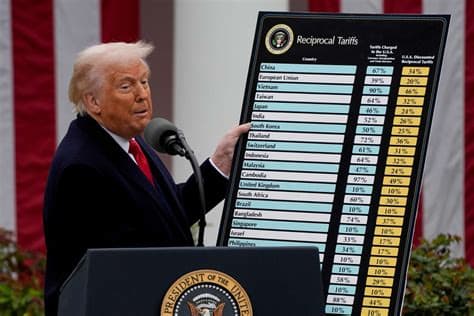
In a recent statement, Trump cautioned countries that attempt to manipulate or "play games" with U.S. trade agreements, declaring that such actions will lead to increased tariffs. This warning aligns with his administration's ongoing focus on ensuring equitable trade practices and defending American economic interests.
Trump emphasized that the U.S. is closely monitoring trade behaviors and is prepared to take decisive action against nations that do not adhere to fair play. His comments reflect a broader strategy aimed at addressing perceived imbalances and fostering a more favorable trade environment for American businesses.
The potential for heightened tariffs comes amid ongoing negotiations with several trading partners, including major economies. By signaling a willingness to impose higher tariffs, Trump seeks to motivate these countries to engage in more constructive negotiations and adhere to existing agreements.
Critics, however, caution that such an aggressive stance could lead to retaliatory measures, potentially escalating trade tensions further. They argue that while aiming for fair trade is crucial, the approach should involve diplomacy rather than threats.
As trade discussions progress, the implications of Trump's warning could influence international relations and economic strategies. The outcome may not only affect U.S. trade policies but also shape the dynamics of global trade as countries reassess their positions in light of stronger U.S. trade enforcement. The coming months will be critical as the administration navigates these complex issues.
Published by Banx Network. This article is part of the Banx decentralized media programme, powered by the BXE token on the XRP Ledger.