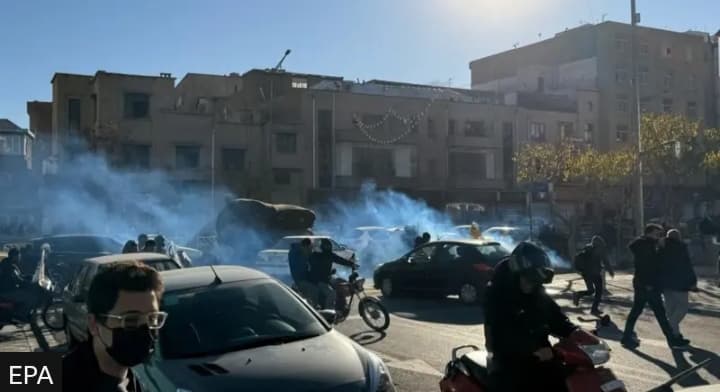
Iran's Foreign Minister has criticized Trump's recent remarks concerning the widespread protests in the country, describing his warning as "reckless." The protests, which have surged over various social and political issues, have drawn international scrutiny, and Trump's comments have raised concerns about potential foreign interference.
The Foreign Minister articulated that external statements do not contribute positively to the situation and may instead inflame tensions both domestically and internationally. "When individuals from abroad comment on our internal affairs, it only serves to complicate matters further," he stated.
The protests in Iran have been fueled by a variety of grievances, including economic hardship, human rights violations, and demands for greater political freedoms. Increasingly, these demonstrations have become a focal point for both domestic critics of the government and international observers concerned about human rights.
Trump's warning seemed to imply potential U.S. support for the demonstrators, a move that could be interpreted as an endorsement of foreign intervention. This perspective, however, is met with caution by Iranian officials, who assert their right to handle domestic issues without external influence.
The Iranian government has repeatedly emphasized its sovereignty and expressed resistance to what they view as meddling by foreign powers. As protests continue, the situation remains tense, with potential implications for regional stability and international relations.
As the international community watches closely, the Iranian government's response to both the internal unrest and external commentary will be pivotal in shaping the ongoing narrative surrounding human rights and governance in the country. With calls for dialogue and restraint growing louder, the stakes are higher than ever for both protesters and authorities alike.
Published by Banx Network. This article is part of the Banx decentralized media programme, powered by the BXE token on the XRP Ledger.