
Key Highlights
- Iran's Foreign Minister criticizes Trump's warning over protests.
- Protests in Iran are fueled by economic and political grievances.
- Tensions rise as international scrutiny increases on the situation.
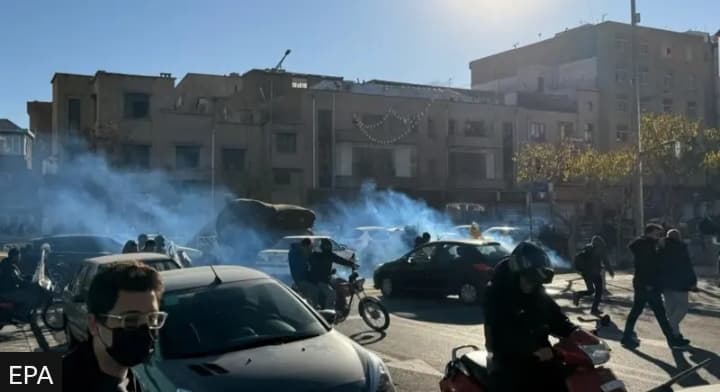
Iran's Foreign Minister has sharply criticized former President Donald Trump's recent remarks regarding the widespread protests occurring in the country, labeling his warning as 'reckless.' The protests, which have erupted over a range of social and political issues, have garnered significant international attention, and Trump's comments have raised alarms about potential foreign interference in Iran's domestic affairs.
The Foreign Minister articulated that external statements, particularly those from foreign leaders, do not contribute positively to the situation in Iran. Instead, he argued, such comments may exacerbate tensions both within the country and on the international stage. 'When individuals from abroad comment on our internal affairs, it only serves to complicate matters further,' he stated, emphasizing the need for sovereignty in addressing domestic issues.
The protests in Iran have been fueled by a myriad of grievances, including economic hardship, human rights violations, and calls for greater political freedoms. These demonstrations have increasingly become a focal point for both domestic critics of the government and international observers who are concerned about the state of human rights in the country. The Iranian populace has expressed frustration over rising prices, unemployment, and perceived government corruption, leading to widespread unrest.
Trump's warning appeared to suggest potential U.S. support for the demonstrators, a stance that could be interpreted as an endorsement of foreign intervention in Iran's internal matters. This perspective, however, is met with caution by Iranian officials, who assert their right to manage domestic affairs without external influence. The Iranian government has consistently emphasized its sovereignty and has expressed resistance to what they perceive as meddling by foreign powers.
As protests continue to unfold, the situation remains tense, with significant implications for regional stability and international relations. The Iranian government's response to both the internal unrest and external commentary will be crucial in shaping the ongoing narrative surrounding human rights and governance in the country. With calls for dialogue and restraint growing louder, the stakes are higher than ever for both protesters and authorities alike.
As the international community closely monitors the developments in Iran, the interplay between domestic grievances and foreign commentary will likely influence the trajectory of the protests and the government's approach to addressing the unrest. The coming days and weeks will be pivotal in determining how the situation evolves and whether any meaningful dialogue can emerge from the current turmoil.
Published by Banx Network. This article is part of the Banx decentralized media programme, powered by the BXE token on the XRP Ledger.



