
Key Highlights
- Trump criticized NATO's response to Iran during a meeting with Rutte.
- The discussion highlighted tensions within the alliance regarding security commitments.
- Analysts suggest NATO may need to reassess its strategies in light of Iran's provocations.
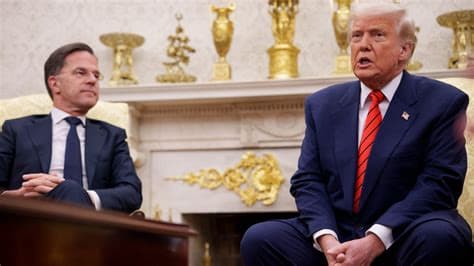
During a recent meeting between former President Donald Trump and Dutch Prime Minister Mark Rutte, significant tensions arose as Trump openly vented his frustrations regarding NATO's inaction on Iran. He pointed out the critical situation involving Iran's military posturing and nuclear ambitions, arguing that NATO members must unite and take decisive steps to address the threat. Trump's remarks reflect a broader concern about the alliance's effectiveness in responding to emerging global threats.
Trump's criticism was directed not only at NATO's collective response but also at individual member nations for what he perceived as a lack of urgency. "We can't afford to wait while Iran continues its provocations," Trump asserted, emphasizing that NATO must present a unified front. This statement underscores his belief that the alliance's credibility is at stake if it fails to act decisively against perceived threats.
Rutte attempted to navigate the tense waters, reminding Trump of the complex geopolitical landscape and the importance of diplomatic solutions. However, the meeting quickly escalated as Trump reiterated his stance that without immediate action, NATO risks undermining its credibility. Rutte's reassurances about the Netherlands' commitment to cooperative defense efforts did little to quell Trump's discontent, highlighting the challenges leaders face in balancing diplomacy with the need for decisive action.
The exchange underscored the growing frustration within the alliance regarding varying levels of commitment to security concerns, particularly as threats from Iran loom larger on the global stage. Analysts noted that Trump's insistence on a more aggressive stance could resonate with other member nations who share similar concerns about Iran's activities. The meeting serves as a reminder of the delicate balance NATO must maintain between collective security and individual member priorities.
In the aftermath of the meeting, analysts reflected on the implications of such discussions for NATO's future engagement strategies. They noted that member nations may need to revisit their commitments and responses to emerging threats, particularly in light of Iran's continued military advancements. The dialogue between Trump and Rutte may signal a pivotal moment for NATO as it navigates the complexities of modern geopolitical challenges.
Published by Banx Network. This article is part of the Banx decentralized media programme, powered by the BXE token on the XRP Ledger.



