In a significant escalation of tensions, Trump has threatened to target Iranian power plants if the country continues its blockade of oil shipping routes in the Strait of Hormuz. This move reflects a growing urgency from the U.S. to address what it perceives as a direct threat to international maritime security and global oil supply.
The Strait of Hormuz is a critical chokepoint for oil shipments, with a significant percentage of the world’s oil supply traversing through it. Iran's actions to disrupt shipping in this region have prompted strong reactions from the U.S. and its allies, who view these maneuvers as provocative and destabilizing.
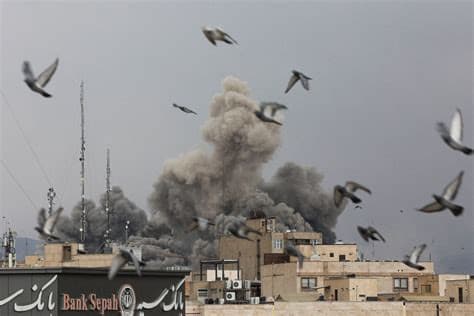
Trump's threats to use military force underscore the seriousness with which the U.S. administration is approaching the situation. Targeting power plants would represent a significant escalation, not only in terms of military engagement but also in terms of potential humanitarian consequences, as such infrastructure is vital for civilian life.
International reactions to Trump's statements have been mixed, with some allies voicing support for a firm stance against Iran, while others caution against further military escalation. The potential for conflict in the region has global economic implications, particularly for oil prices, which could surge in response to any military actions.
As the situation develops, diplomatic efforts may become crucial in de-escalating tensions. The complex interplay between military threats and economic interests will shape the future of U.S.-Iran relations and stability in the Gulf region. The international community remains on high alert as both sides navigate this precarious landscape.
Published by Banx Network. This article is part of the Banx decentralized media programme, powered by the BXE token on the XRP Ledger.