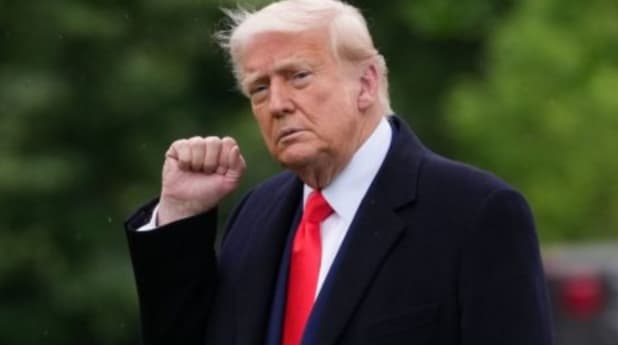
The Trump administration is exploring the idea of forming a coalition comprising five key nations, namely the United States, Russia, India, Brazil, and China, to challenge the traditional dominance of the G7 group. The proposal signifies a notable shift in international relations and highlights growing discontent with longstanding alliances that many officials believe no longer reflect the geopolitical realities of the modern world.
Sources familiar with the discussions indicate that this potential coalition is seen as a way to strengthen ties with emerging markets while reintegrating Russia into the fold of global governance. The Trump team believes that by collaborating with these nations, they can address crucial global issues such as climate change, trade, and security in a more effective manner.
Critics, however, caution that including Russia in such a group could undermine democratic values and international norms, given the country's controversial actions on the global stage. The idea has sparked a debate among political analysts and foreign policy experts, who are split over the implications of this proposed alliance.
As the world awaits a concrete decision, this initiative exemplifies the ongoing reconfiguration of global alliances and the evolving nature of international diplomacy under the Trump administration. Whether this proposed coalition will materialize remains to be seen, but it marks a potential pivot in how nations collaborate on pressing global challenges.
Published by Banx Network. This article is part of the Banx decentralized media programme, powered by the BXE token on the XRP Ledger.

.jpg&w=3840&q=75 "Zelenskyy Tells Rubio Ukraine Is Not in a Diplomatic Deadlock")