
Key Highlights
- Trump’s Statement: The U.S. is considering a fighter jet sale to Turkey.
- Congressional Opposition:Resistance from lawmakers complicates the potential deal.
- Legal Restrictions:Turkey's S-400 purchase poses challenges for F-35 sales.
Donald Trump has recently indicated that the United States is open to reconsidering the sale of fighter jets to Turkey, stating that the administration would 'consider' this move despite facing significant opposition from some lawmakers in Congress. This potential shift comes in the context of ongoing legal restrictions tied to Turkey's previous acquisition of Russia's S-400 air-defense system, which has been a point of contention in U.S.-Turkey relations.
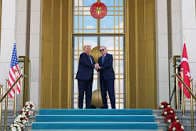
During an upcoming trip to Ankara, Trump is expected to express support for Turkish President Recep Tayyip Erdoğan, whom he has praised on multiple occasions. This visit coincides with the NATO summit, suggesting that the fighter jet sale could be framed as part of a broader strategy to enhance military cooperation between the U.S. and Turkey. However, the complexities surrounding this potential deal cannot be overlooked.
Under existing U.S. law and prior congressional actions, Turkey is barred from receiving F-35 sales while it retains the Russian S-400 system. The U.S. had previously removed Turkey from the F-35 program following Ankara's purchase of the S-400s, which has raised concerns among U.S. lawmakers and allies regarding Turkey's alignment with NATO standards.
One possible avenue being discussed to facilitate the sale is the transfer of the S-400 system to a third country. However, this option remains unfinalized and would still need to comply with end-user obligations set forth by the U.S. government. The complexities of such a transfer highlight the intricate balance the Trump administration must navigate in its dealings with Turkey.
In addition to congressional opposition, the potential fighter jet sale may face pushback from regional partners who are wary of Turkey's military ambitions and its relationship with Russia. As the Trump administration weighs whether Turkey has met the necessary U.S. requirements to restart military cooperation, the situation remains fluid and subject to change.
The implications of a fighter jet sale to Turkey extend beyond bilateral relations, potentially affecting NATO dynamics and U.S. foreign policy in the region. As discussions continue, the administration's approach will be closely scrutinized by both lawmakers and international allies, who are keenly aware of the strategic ramifications of such a decision.
Published by Banx Network. This article is part of the Banx decentralized media programme, powered by the BXE token on the XRP Ledger.



