
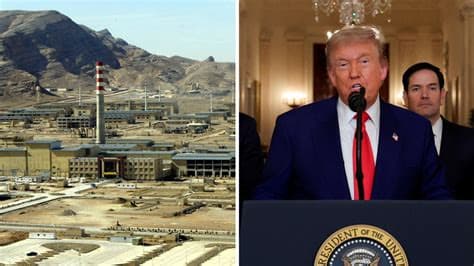
Key Highlights
- Date:March 7, 2026, Trump announces expanded U.S. targets in Iran.
- Context:Iranian government apologizes to neighboring nations for past aggressions.
- Implications:Potential escalation in U.S.-Iran military and diplomatic relations.
On March 7, 2026, former President Donald Trump announced that the United States would be expanding its list of military targets in Iran. This declaration follows an apology issued by the Iranian government to its neighboring countries for its past aggressive actions. Trump's statement underscores a potential shift in U.S. military strategy and diplomatic positioning in the Middle East, raising concerns about escalating tensions in the region.
The Iranian apology has been interpreted by some analysts as a sign of weakness, which has prompted calls for the U.S. to adopt a more assertive stance against Iranian influence. Trump emphasized that the U.S. would not retreat in the face of Iran's attempts to assert its power, indicating that both military and economic pressures on Iran would intensify. This approach aligns with Trump's previous rhetoric regarding Iran, which has often included threats of military action.
Strategic analysts warn that this shift in U.S. policy could provoke a defensive response from Iran, potentially leading to increased hostilities. The implications of Trump's remarks are significant, as they could reshape the landscape of U.S.-Iran relations and influence the broader geopolitical dynamics in the Middle East. The international community is closely monitoring these developments, with many expressing concerns about the potential for conflicts to escalate further.
Despite the military rhetoric, there are ongoing calls for diplomatic engagement. Many experts and political leaders are urging both the U.S. and Iran to seek peaceful resolutions to their disputes, emphasizing the importance of dialogue in preventing further escalation. The situation remains fluid, with both nations reassessing their strategies in light of evolving geopolitical dynamics.
As the U.S. prepares to implement its expanded military strategy, the potential for conflict looms large. The coming weeks will be critical in determining how both nations navigate this complex landscape and whether diplomatic efforts can prevail over military action. The outcome of this situation could have lasting implications for regional stability and international relations.
Published by Banx Network. This article is part of the Banx decentralized media programme, powered by the BXE token on the XRP Ledger.



