In the high-stakes theater of international diplomacy, where words carry the weight of armies and silence can be as loud as thunder, a pivotal moment appears to be approaching. President Donald Trump has indicated that a decision regarding a "massive attack" against Iran is imminent, casting a long shadow over an already tense geopolitical landscape. This statement, made amidst ongoing military engagements, serves not just as a warning but as a profound reflection of the delicate balance between deterrence and escalation. It invites the world to hold its breath, contemplating the potential consequences of a conflict that could reshape the Middle East and ripple through global markets.
The gravity of such a declaration cannot be understated, for it touches upon the lives of millions, the stability of nations, and the fragile peace that has been hard-won over decades. It is a moment that demands careful consideration, reminding us that the path to resolution is often narrow and fraught with peril.
Body: President Trump’s comments, shared in an interview with Axios, suggest that he is weighing options for a strike significantly larger than previous operations. The context is one of prolonged tension, with the United States having conducted a series of targeted strikes over consecutive nights. These actions, part of what has been described as Operation Epic Fury, were intended to degrade specific capabilities and send a clear message. However, the president’s indication of a "massive attack" implies a shift from limited engagement to a broader, more comprehensive campaign.
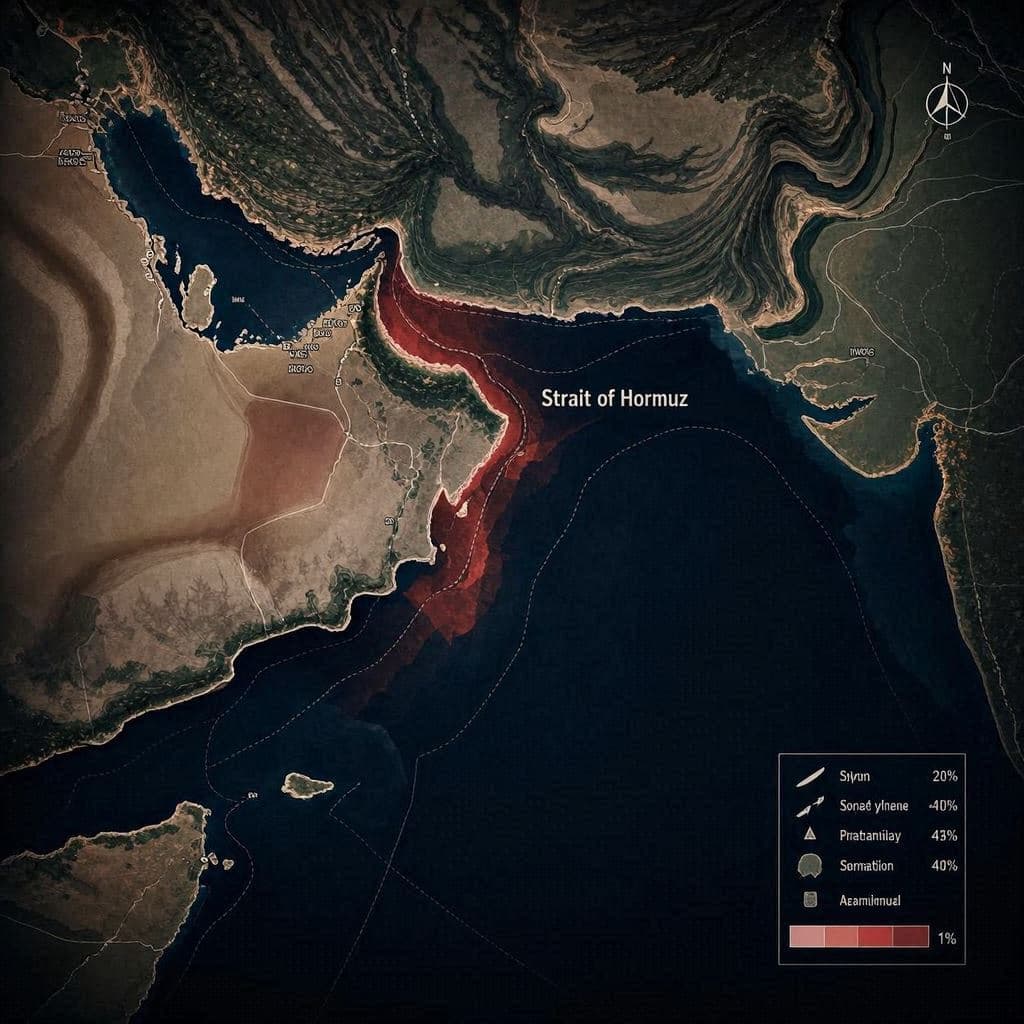
The potential targets of such an attack have been hinted at in previous statements, with references to critical infrastructure including power plants and bridges. The stated goal, according to administration officials, is to compel Tehran to agree to a deal that includes reopening the Strait of Hormuz, a vital chokepoint for global oil supplies. This strategic objective underscores the economic dimensions of the conflict, linking military action directly to energy security and international trade.
For Iran, the threat represents an existential challenge. The country has faced years of sanctions and diplomatic isolation, and a large-scale attack could further destabilize its internal politics and external alliances. Iranian leaders have responded with their own rhetoric of defiance, warning of severe retaliation if their sovereignty is violated. This cycle of threat and counter-threat creates a volatile environment where miscalculation could lead to unintended and widespread consequences.
Global markets have already begun to react to the uncertainty, with oil prices surging in anticipation of potential disruptions. The Strait of Hormuz handles a significant portion of the world’s seaborne oil exports, and any closure or conflict in the region would have immediate and painful effects on economies worldwide. Investors and governments are watching closely, preparing for scenarios that range from brief spikes in volatility to prolonged supply shocks.
Allies in the region and beyond are engaged in intense diplomatic efforts to de-escalate the situation. Countries such as Saudi Arabia, the United Arab Emirates, and European powers are calling for restraint and dialogue, emphasizing the need for a political solution rather than a military one. Their involvement highlights the interconnected nature of modern security, where local conflicts quickly become global concerns requiring collective management.
Domestically, the president faces a mix of support and criticism. Some argue that a decisive show of force is necessary to uphold American credibility and protect national interests. Others warn that a massive attack could lead to a protracted war with no clear exit strategy, draining resources and costing lives. The debate reflects the deep divisions within the country regarding foreign policy and the role of the United States in global affairs.
Closing: As the deadline for a decision approaches, the world waits with bated breath. The choice between escalation and diplomacy will define not only the immediate future of U.S.-Iran relations but also the broader architecture of international security. In these final hours, the hope remains that reason will prevail, and that the path chosen will lead to stability rather than chaos.
AI Image Disclaimer: Please note that any visual illustrations accompanying this text are AI-generated interpretations designed to evoke the thematic context of geopolitical tension and diplomatic decision-making, and do not depict actual photographs of President Trump, Iranian leaders, or specific military operations.
Sources: Axios ABC News Forbes CNN The Times of Israel
Published by Banx Network. This article is part of the Banx decentralized media programme, powered by the BXE token on the XRP Ledger.