

Key Highlights
- Trump’s remarks on Oman have raised diplomatic concerns.
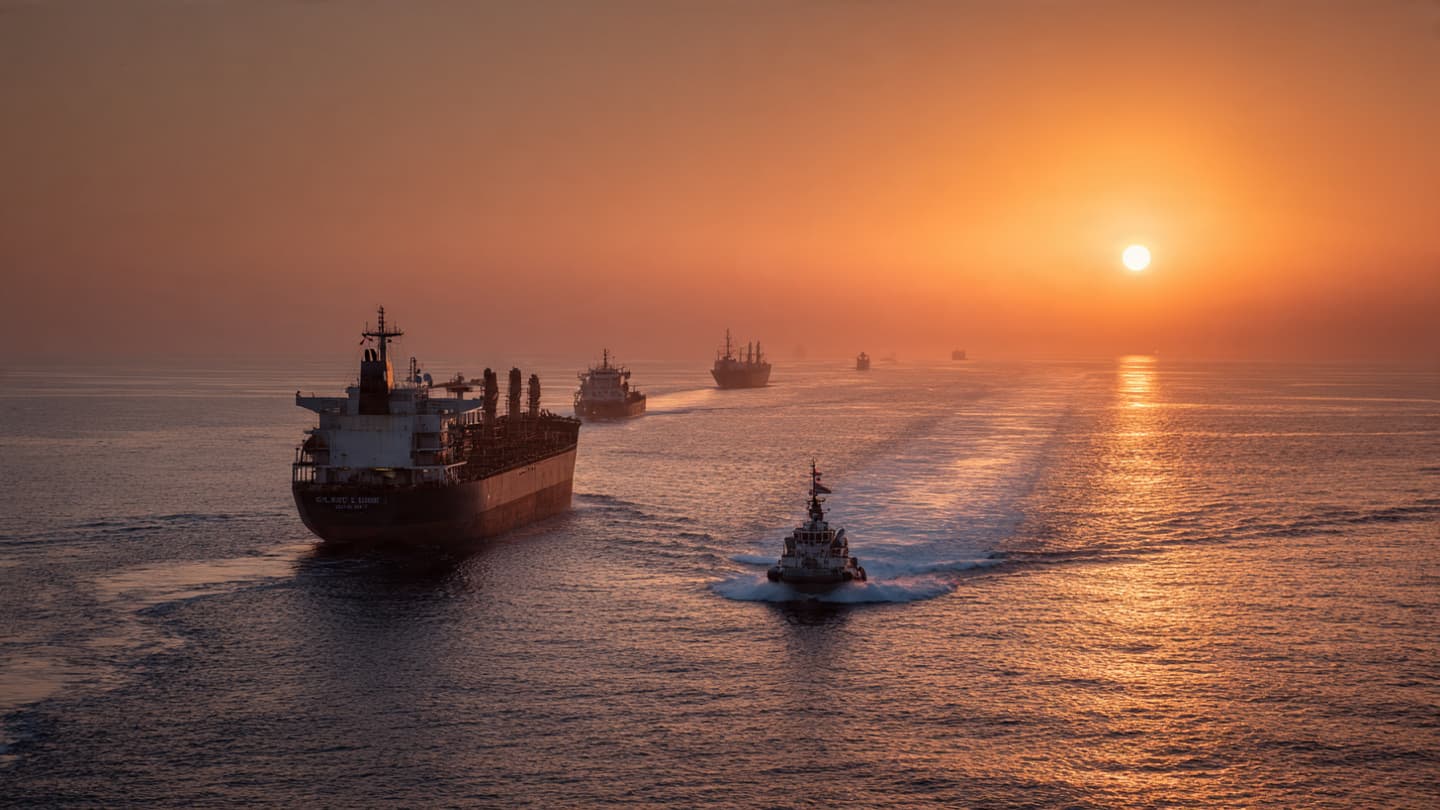
- The Strait of Hormuz is crucial for global oil shipments.
- Oman plays a key mediating role in Middle Eastern diplomacy.
Former President Donald Trump's recent comments regarding Oman and the strategically significant Strait of Hormuz have ignited fresh diplomatic concerns among international observers. In a statement that has drawn scrutiny, Trump suggested that the United States might respond aggressively if Oman does not adhere to expectations concerning the vital waterway. This rhetoric has raised alarms about potential shifts in U.S. foreign policy and its implications for regional stability.
The Strait of Hormuz is one of the world's most critical maritime corridors, facilitating a significant portion of global oil shipments from the Persian Gulf to international markets. Given its economic and geopolitical significance, any remarks related to this region tend to reverberate beyond immediate diplomatic circles, attracting the attention of global stakeholders.
Oman has historically played a delicate balancing act in Middle Eastern diplomacy, often serving as a mediator between rival nations and international powers. Its longstanding relationships with both Western governments and neighboring states have positioned it as a crucial player in efforts to de-escalate regional tensions. Analysts emphasize that Trump's comments could undermine this role, potentially complicating Oman’s ability to navigate its relationships with both the U.S. and Iran.
Experts in foreign policy have pointed out that political rhetoric surrounding military action can carry substantial symbolic weight, particularly in regions already fraught with strategic tensions. Even statements made outside of official government channels can significantly influence diplomatic conversations and public perception on a global scale. The implications of Trump's remarks could lead to heightened scrutiny of U.S. actions in the region, as allies and adversaries alike assess the potential for military escalation.
These comments come at a time when global concerns about shipping security, energy markets, and regional stability are already heightened. International observers are closely monitoring developments related to maritime routes in the Gulf, as governments strive to prevent disruptions that could impact trade and security. The potential for increased tensions in the Strait of Hormuz could have far-reaching consequences for global oil prices and international relations.
Critics of Trump's language have described it as unnecessarily confrontational, arguing that such rhetoric could provoke rather than pacify tensions. Conversely, supporters contend that a strong stance may serve as an effective negotiating tactic in complex geopolitical disputes. However, diplomatic analysts caution that measured communication is essential when dealing with allied nations and sensitive international waterways.
As of now, no immediate policy changes have been announced following Trump's remarks. Nevertheless, regional observers are actively assessing the potential diplomatic ramifications of his statements, particularly in light of the ongoing complexities surrounding U.S.-Iran relations and the broader geopolitical landscape in the Middle East.
Published by Banx Network. This article is part of the Banx decentralized media programme, powered by the BXE token on the XRP Ledger.




