

Key Highlights
- Trump’s remarks suggest he is ‘not angry’ at China for arms sales to Iran.
- The comments have reignited discussions on global arms dynamics.
- Critics argue the statements downplay serious security concerns.
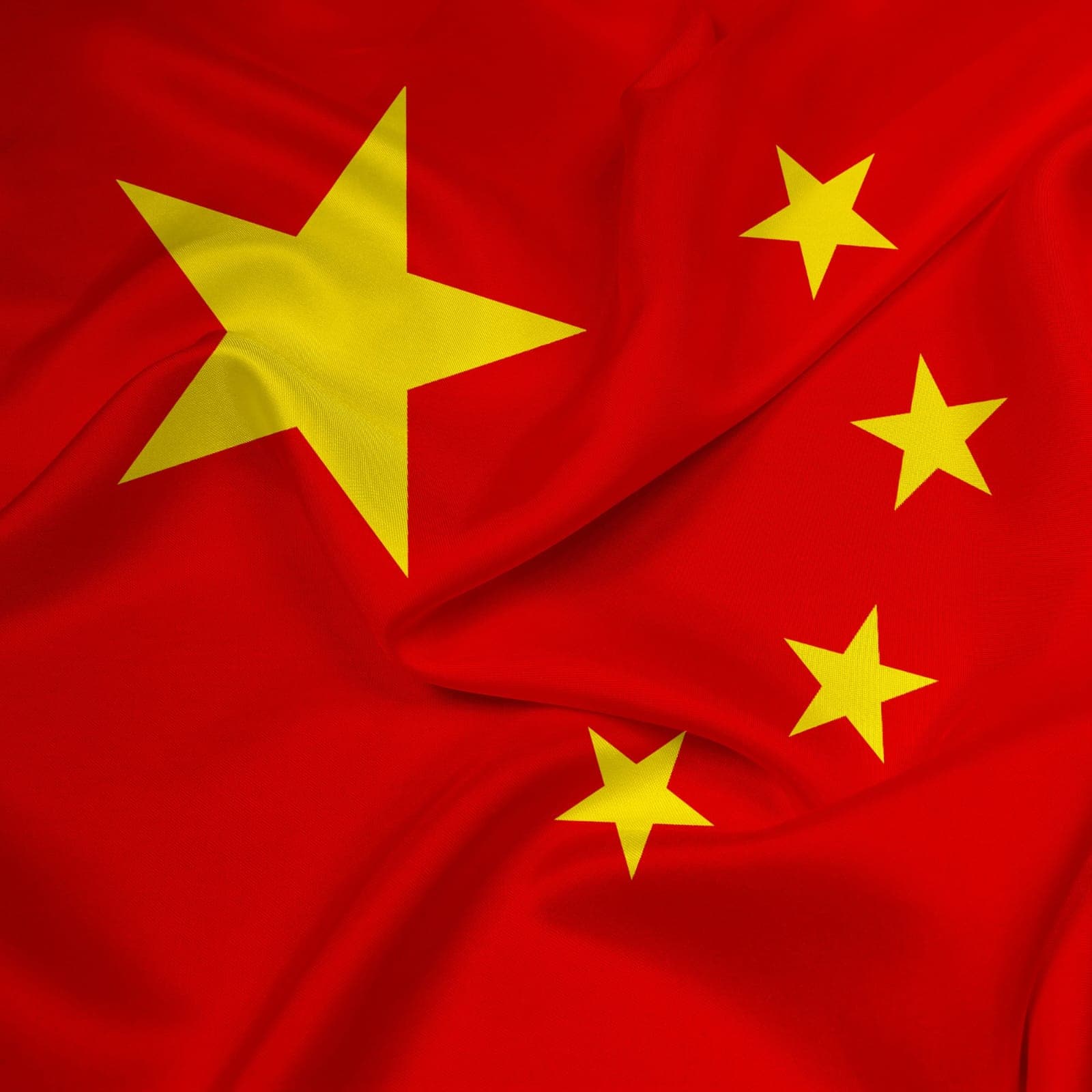
Donald Trump’s recent comments regarding China’s arms dealings with Iran have stirred significant attention and debate in geopolitical circles. In a statement, Trump expressed that he is “not angry” at China for its reported actions, framing them as a reflection of how “the world works.” This perspective has reignited discussions about the complexities of international arms sales and the strategic partnerships that nations form to serve their interests.
At the heart of Trump’s statement lies a long-standing reality of global politics: nations often engage in military cooperation and arms sales that align with their strategic objectives. This practice has been a cornerstone of international relations for decades, involving major powers such as the United States and China. However, openly normalizing such actions can be contentious, particularly in sensitive geopolitical contexts like the Middle East.
The relationship between China and Iran has garnered close scrutiny in recent years, especially as both nations navigate their positions amid rising tensions with Western powers. Any indication of military support or cooperation between them adds layers of complexity to an already fragile geopolitical landscape. The United States, for its part, maintains a vast network of defense agreements with allies worldwide, which often leads to accusations of double standards in global policy.
What makes Trump’s remarks particularly significant is the varied interpretations they provoke. Supporters may view his comments as a candid acknowledgment of geopolitical realities, while critics contend that they trivialize serious security concerns and the potential ramifications of arms proliferation. This divergence in interpretation underscores the contentious nature of international relations and the differing perspectives on military cooperation.
Moreover, it is crucial to approach such statements with caution. Social media can amplify quotes without providing the necessary context, and discussions surrounding defense activities are often sensitive, classified, or disputed. Claims regarding weapons transfers should be treated as part of a broader, evolving narrative rather than established facts, especially in the absence of official confirmation.
Ultimately, this discourse reflects a deeper tension in international relations between idealistic diplomacy and pragmatic strategy. As global power dynamics continue to evolve, statements like Trump’s serve to highlight the complexities and contested nature of the global security landscape. The implications of such remarks extend beyond mere political commentary, influencing perceptions and policies in an increasingly interconnected world.
Published by Banx Network. This article is part of the Banx decentralized media programme, powered by the BXE token on the XRP Ledger.




