On the South Lawn of the White House, where history is often made in gestures and greetings, President Donald Trump welcomed Chinese President Xi Jinping with a full state visit. The red carpet, the military honors, and the warm rhetoric stood in stark contrast to the years of trade wars and strategic competition that defined their previous interactions. For many in Washington, particularly those known as "China hawks," this display of diplomacy is a source of deep frustration and concern. It is a moment where political pragmatism meets ideological rigidity. Diplomacy is an art.
Trump’s approach marks a significant shift from his earlier stance, where he labeled China a currency manipulator and imposed heavy tariffs. Now, he emphasizes personal relationships and "constructive stability," arguing that direct engagement yields better results than isolation. His administration points to recent verbal commitments from Xi on issues like Taiwan as evidence of progress. Relationships build bridges. Dialogue reduces risk.
However, critics argue that this warmth ignores serious human rights violations and geopolitical challenges posed by Beijing. Lawmakers from both parties have expressed skepticism, worrying that the U.S. is conceding too much without securing tangible benefits. They point to reports of Chinese support for Iran and continued military expansion as reasons for caution. Trust requires verification. Strength supports peace.
The visit includes high-level talks on trade, technology, and climate change, areas where cooperation is essential for global stability. Both leaders recognize the interdependence of their economies and the dangers of decoupling. Cooperation drives growth. Stability benefits all.
For the American public, the spectacle raises questions about the consistency of foreign policy. Is this a new era of partnership or a temporary truce? The answer may lie in the details of the agreements signed during the visit. Details define destiny. Actions speak louder.
International allies are watching closely, aware that US-China relations shape the global order. A stable relationship can reduce tensions in regions like the South China Sea and the Korean Peninsula. Peace is a shared goal. Unity strengthens security.
As the state dinner concludes and the leaders depart, the focus shifts to implementation. Will the promises made on the red carpet translate into real-world changes? Only time will tell. Hope is cautious. Progress is measured.
In the end, Trump’s welcome of Xi is a bold diplomatic move. It challenges the prevailing narrative of conflict and offers a path toward coexistence. As the world watches, the hope is for a future defined by mutual respect and peaceful competition. Peace is possible.
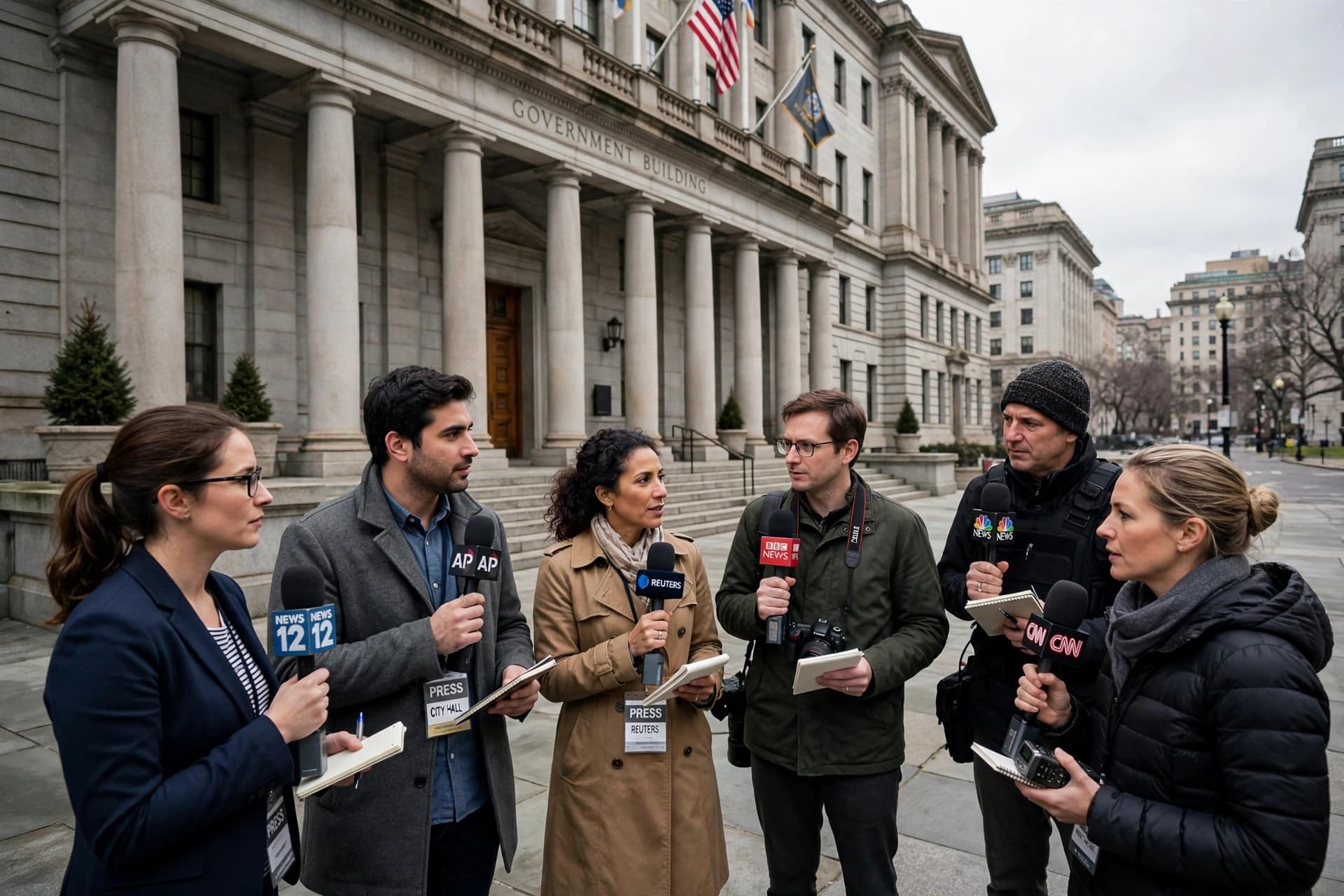
AI Image Disclaimer: The images accompanying this article are AI-generated artistic interpretations of diplomatic events and political themes, not actual photographs of President Trump, President Xi, or the specific state visit ceremonies.
Sources: The Hill PBS News The Wall Street Journal AFP
Published by Banx Network. This article is part of the Banx decentralized media programme, powered by the BXE token on the XRP Ledger.