
Key Highlights
- Trump’s ‘love tap’ remark aimed to downplay U.S.-Iran tensions.
- The incident involved missile exchanges in the Strait of Hormuz.
- Analysts note the delicate balance of military and diplomatic efforts.
In moments of geopolitical tension, language often becomes its own battlefield. Words can soften alarms, sharpen fears, or attempt to hold fragile diplomacy together. When former President Donald Trump referred to recent U.S. military action against Iran as merely a “love tap,” the phrase carried an unusual calm against the backdrop of missile exchanges and naval confrontation in the Strait of Hormuz.
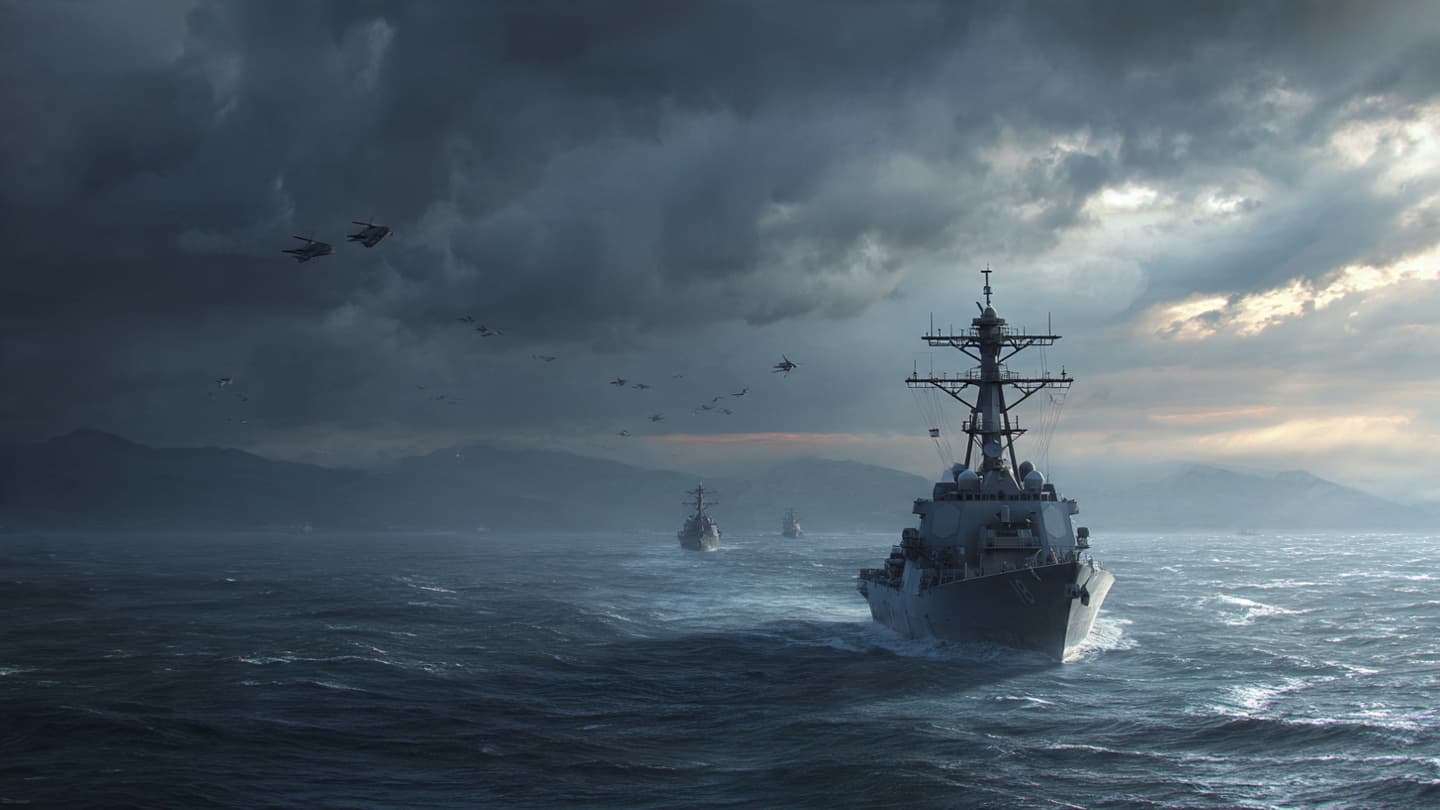
The incident unfolded amid an already delicate ceasefire between Washington and Tehran. According to U.S. military statements, Iranian forces launched missiles, drones, and fast-moving boats toward American naval destroyers operating near one of the world’s most strategically sensitive waterways. U.S. forces responded with defensive action and retaliatory strikes against Iranian military sites.
Trump’s characterization of the exchange appeared intended to reassure audiences that the confrontation had not escalated into a broader war. He insisted the ceasefire remained intact despite the military exchange, emphasizing that no American warships sustained significant damage during the incident. This framing was likely aimed at mitigating public concern and maintaining a sense of stability in U.S.-Iran relations.
Yet beneath the restrained language lies a region carrying years of accumulated tension. The Strait of Hormuz remains one of the world’s most important maritime corridors, with global oil shipments passing through its narrow waters daily. Even limited military incidents there can influence energy markets, diplomatic relations, and military readiness across several continents. The stakes are high, and the implications of military actions can reverberate far beyond the immediate area.
Analysts observing the latest developments noted the delicate balance both sides appear to be attempting. Iran has continued projecting military resolve while avoiding rhetoric suggesting immediate large-scale escalation. The United States, meanwhile, has maintained pressure while signaling that diplomatic channels remain open. This dual approach reflects a broader strategy of managing conflict while seeking to avoid outright war.
The episode also highlights the unusual rhythm of modern conflict, where military operations unfold alongside real-time public messaging. Leaders increasingly shape public perception not only through policy decisions but through carefully chosen language. In this case, Trump’s phrase drew wide attention because it contrasted sharply with the seriousness traditionally associated with military exchanges in the Gulf. The juxtaposition of casual language against a backdrop of military action raises questions about the implications of such rhetoric.
Within Washington, reactions have varied. Supporters argued that downplaying the incident may help prevent panic and preserve negotiations. Critics, however, warned that casual descriptions risk minimizing the seriousness of military confrontation between two long-standing adversaries. This divergence in opinion underscores the complexities of political communication in times of crisis.
International observers are also watching closely because tensions involving Iran rarely remain isolated. Regional allies, energy exporters, and global shipping companies all monitor developments in the Gulf with caution. Even brief disruptions can ripple through financial markets and diplomatic discussions far beyond the Middle East. The interconnectedness of global economies means that events in the Strait of Hormuz can have far-reaching consequences.
For now, the ceasefire appears to be holding, though cautiously. The exchange served as another reminder that diplomacy in volatile regions often survives not because tensions disappear, but because both sides continue searching for ways to prevent sparks from becoming fires. The ongoing dialogue, albeit fraught with challenges, remains crucial for maintaining stability in the region.
Published by Banx Network. This article is part of the Banx decentralized media programme, powered by the BXE token on the XRP Ledger.



