The U.N. Security Council’s decision to endorse President Donald Trump’s 20-point Gaza plan marks a notable turning point. Thirteen members voted in favor, with two abstentions — but no outright rejection. According to the proposal, a multinational International Stabilization Force (ISF) would deploy in Gaza to secure borders, protect civilians, and assist in demilitarizing non-state armed groups. Alongside that, a “Board of Peace” is envisioned, a transitional governing body that would supervise reconstruction, humanitarian aid, and local administration. Under the plan, this Board would operate for two years, shepherding Gaza through recovery and reform.
On one hand, the move enjoys broad international support: nations from Qatar to Indonesia have expressed encouragement for the plan’s framework. That unity is perhaps its greatest virtue, especially after years of fractious conflict. The idea of stabilizing Gaza through a legitimate, U.N.-mandated process appeals to those weary of perpetual war.
Yet critics are already voicing deep concern. Hamas has rejected the plan outright, framing it as an imposition of foreign guardianship over Gaza. The group argues that the international force’s mandate could compromise neutrality, stripping resistance of its legitimacy. Meanwhile, aid organizations question whether reconstruction efforts will truly serve Gazans’ interests. According to humanitarian experts, the design for distributing aid under this model may undermine core principles of neutrality and independence.
Another point of contention lies in governance. While the Board of Peace is to oversee reconstruction and civil services, it raises profound questions about sovereignty. The transitional authority, endorsed by the U.N., places a global structure over local administration. Critics worry that without genuine empowerment of Palestinian institutions, reconstruction could feel like external management rather than self-determined rebuilding.
Financially too, the plan’s success is not assured. The resolution calls for voluntary contributions, trust funds, and international cooperation, but the scale of funding required — and the political will behind it — remain uncertain. And then there is the very practical obstacle of deploying the ISF: no country has yet publicly committed troops, and national sensitivities are high.
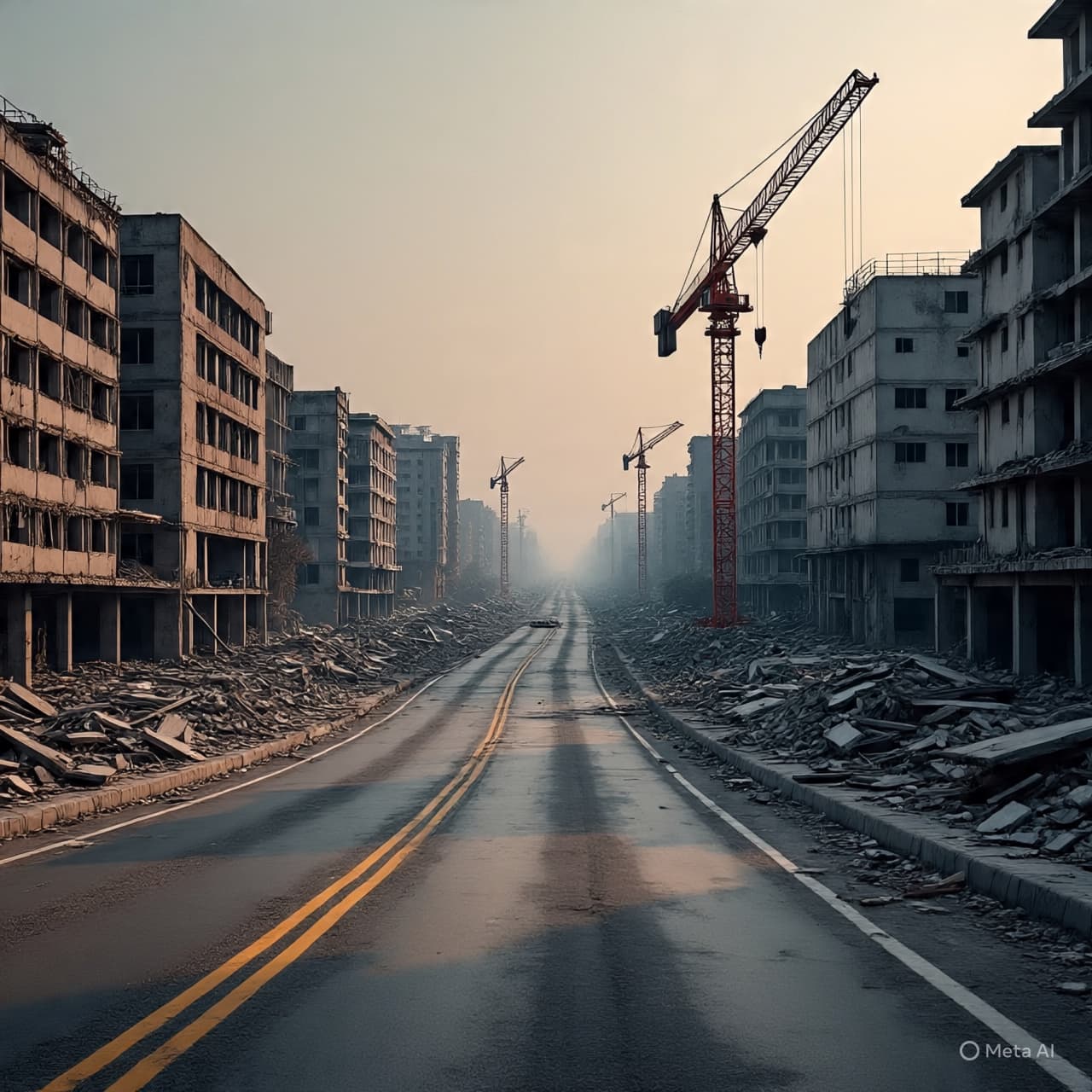
Still, for its proponents, this model offers something rare: a chance for Gaza to emerge from the ashes of conflict under a globally legitimized, structured framework. It is not a guarantee of peace, but rather a bet on diplomacy over continued destruction.
AI Image Disclaimer “Visuals are created with AI tools and are intended as conceptual depictions, not real photographs.”
Sources The Guardian The Washington Post Arab News Al Jazeera Carnegie Endowment for International Peace
Published by Banx Network. This article is part of the Banx decentralized media programme, powered by the BXE token on the XRP Ledger.