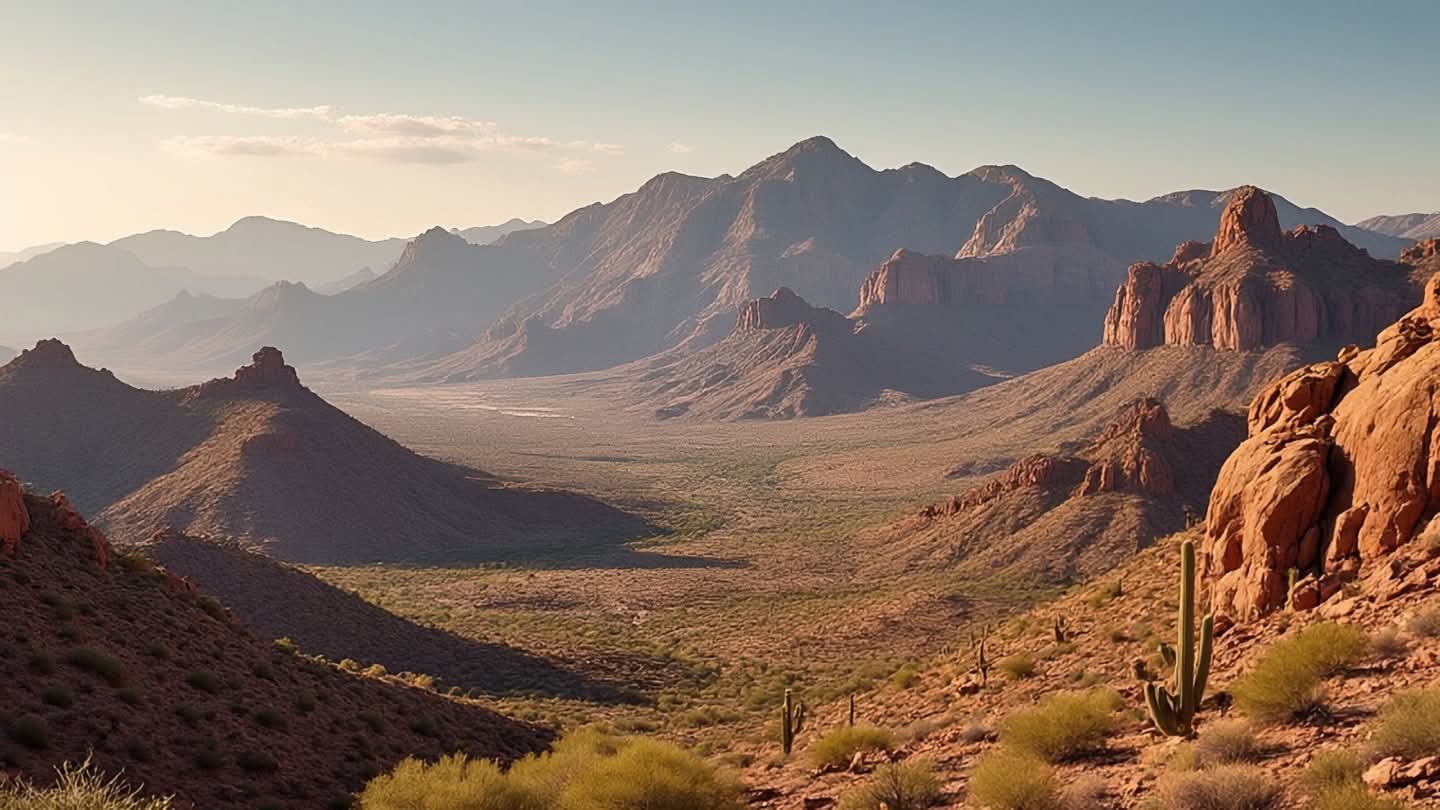
Big Bend National Park, a vast and rugged expanse of desert and mountain in West Texas, is known for its pristine beauty and remote tranquility. Recently, however, this sanctuary has become the center of a heated political debate. Plans by the Trump administration to construct border infrastructure within the park have sparked intense controversy, drawing criticism from environmentalists, local residents, and politicians from both parties. The proposal challenges the traditional sanctity of national parks, pitting security concerns against conservation values.
The administration argues that the construction is necessary to secure the southern border and prevent illegal crossings. Officials contend that the remote terrain of Big Bend has long been a vulnerability, used by smugglers and migrants to enter the United States undetected. By building roads and barriers, they aim to enhance surveillance and enforcement capabilities, asserting that national security must take precedence in strategic locations.
Critics, however, view the plan as a destructive intrusion into a protected natural area. They argue that the construction would scar the landscape, disrupt wildlife habitats, and diminish the visitor experience. The National Parks Conservation Association and other groups have voiced strong opposition, emphasizing that national parks are meant to be preserved for future generations, not altered for political or security purposes. The bipartisan backlash reflects a shared commitment to environmental stewardship.
Local communities in West Texas are divided. Some residents support increased border security, citing economic and safety concerns. Others worry about the impact on tourism, which is a vital part of the local economy. The park attracts visitors from around the world, drawn by its dark skies, hiking trails, and river activities. Any perceived degradation of the park’s integrity could deter tourists and harm local businesses.
The legal and regulatory hurdles for such a project are significant. National parks are protected by federal laws that restrict development and require extensive environmental reviews. The administration has invoked emergency powers to bypass some of these requirements, a move that has been challenged in court. Legal experts suggest that the battle over Big Bend could set a precedent for how other protected areas are managed in the future.
As bulldozers and survey teams have appeared in the region, tensions have risen. Protests have been organized, and lawmakers have introduced legislation to block the construction. The debate highlights the complex interplay between federal authority, local interests, and environmental protection. It forces a conversation about what we value most in our public lands.
Despite the controversy, the administration has temporarily paused some activities to review the approach, acknowledging the intensity of the opposition. This pause offers a moment for dialogue and reconsideration. Stakeholders are urging a collaborative solution that addresses security needs without compromising the park’s ecological and recreational value.
For now, Big Bend remains a place of stark beauty and conflicting ideals. The outcome of this dispute will shape not only the park’s future but also the national conversation on border policy and conservation. It serves as a reminder that even in the most remote corners of the country, political decisions have profound and lasting impacts.
AI Image Disclaimer: Images accompanying this report are AI-generated artistic interpretations of desert landscapes and border concepts, intended to visualize the context of the controversy without depicting real construction sites or political figures.
Sources: PBS NewsHour, The Guardian, AP News, E&E News
Published by Banx Network. This article is part of the Banx decentralized media programme, powered by the BXE token on the XRP Ledger.