
Key Highlights
- Date:On April 29, 2026, President Trump reaffirmed the naval blockade against Iran.
- Statement:Trump emphasized the blockade's effectiveness in negotiations regarding Iran's nuclear program.
- Military Readiness:The U.S. has increased its military presence in the region amid rising tensions.
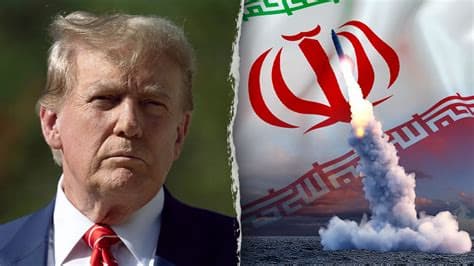
On April 29, 2026, President Donald Trump announced that the naval blockade against Iran would remain in place until the country agrees to terms for a nuclear deal. This declaration follows Iran's recent offer to reopen the strategically vital Strait of Hormuz while delaying discussions about its nuclear program. The Strait is a critical shipping route for global oil supplies, and its closure has led to significant increases in fuel prices worldwide.
Trump highlighted the blockade's effectiveness, stating, "The blockade is somewhat more effective than the bombing. They are choking like a stuffed pig. And it is going to be worse for them. They can’t have a nuclear weapon." His comments underscore the administration's strategy of applying pressure on Tehran as leverage in ongoing negotiations. The president's remarks reflect a hardline stance, suggesting that the U.S. will not relent until Iran complies with its demands.
The Iranian government has indicated that it might consider lifting its restrictions on the Strait if the U.S. were to remove its blockade. However, Trump dismissed this proposal, characterizing it as a tactic to buy time. He stated, "They want to settle. They don't want me to keep the blockade. I don't want to [lift the blockade] because I don’t want them to have a nuclear weapon."
In response to the escalating situation, the U.S. Central Command (CENTCOM) is reportedly prepared to conduct a series of "short and powerful" strikes on Iran if negotiations remain stalled. These strikes would target key infrastructure to compel Tehran to return to the negotiating table with more flexible terms. This military readiness reflects the administration's commitment to maintaining pressure on Iran while seeking a diplomatic resolution.
Tensions have further escalated, with a senior Iranian security source warning that the continued blockade "will soon be met with practical and unprecedented action." This statement indicates a potential for increased hostilities if the situation does not improve. The Iranian leadership is reportedly facing internal communication challenges, complicating their response to U.S. actions.
As diplomatic efforts continue to stall, the Trump administration is closely monitoring developments in the region. Balancing military readiness with the need for a resolution is critical, especially with the upcoming midterm elections looming. The administration's approach reflects a broader strategy of maintaining pressure on Iran while navigating the complexities of international diplomacy.
Published by Banx Network. This article is part of the Banx decentralized media programme, powered by the BXE token on the XRP Ledger.



