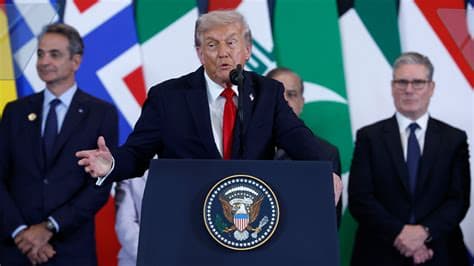
In a strategic move to reshape U.S.-Iran relations, President Donald Trump has introduced a 15-point plan designed to promote peace and stability in the Middle East. The proposal, revealed during a recent interview, seeks to address key issues affecting the region while encouraging Iran to engage in constructive dialogue.
Trump's plan outlines several crucial proposals aimed at alleviating tensions, including economic incentives, diplomatic engagements, and security assurances. By proposing a comprehensive approach, he emphasizes the importance of collaboration between the U.S., Iran, and other regional players to forge a sustainable path toward lasting peace.
One of the central tenets of the plan involves inviting Iran to discussions regarding its nuclear program, urging transparency and cooperation to ensure that the program is used solely for peaceful purposes. Additionally, the proposal includes measures to bolster regional security cooperation, aiming to foster stability among Middle Eastern nations.
As diplomatic efforts gain momentum to resolve conflicts in the region, Trump's plan has drawn both support and skepticism from various stakeholders. Some analysts view the proposal as a potential breakthrough, while others question its feasibility given the complex geopolitical landscape.
The introduction of this plan coincides with heightened discussions among world leaders about the dire need for conflict resolution in the Middle East. As violence continues to escalate in certain areas, the urgency for a comprehensive approach to peace becomes increasingly apparent.
Whether Trump's 15-point plan can serve as a viable framework for dialogue with Iran and contribute to broader peace efforts remains to be seen. However, it signifies a renewed focus on diplomacy as a crucial tool for addressing longstanding conflicts and ensuring stability in a tumultuous region.
As the situation unfolds, many in the international community will be closely watching the response from both Iran and allied nations to gauge the plan's potential impact on future relations and peace initiatives.
Published by Banx Network. This article is part of the Banx decentralized media programme, powered by the BXE token on the XRP Ledger.