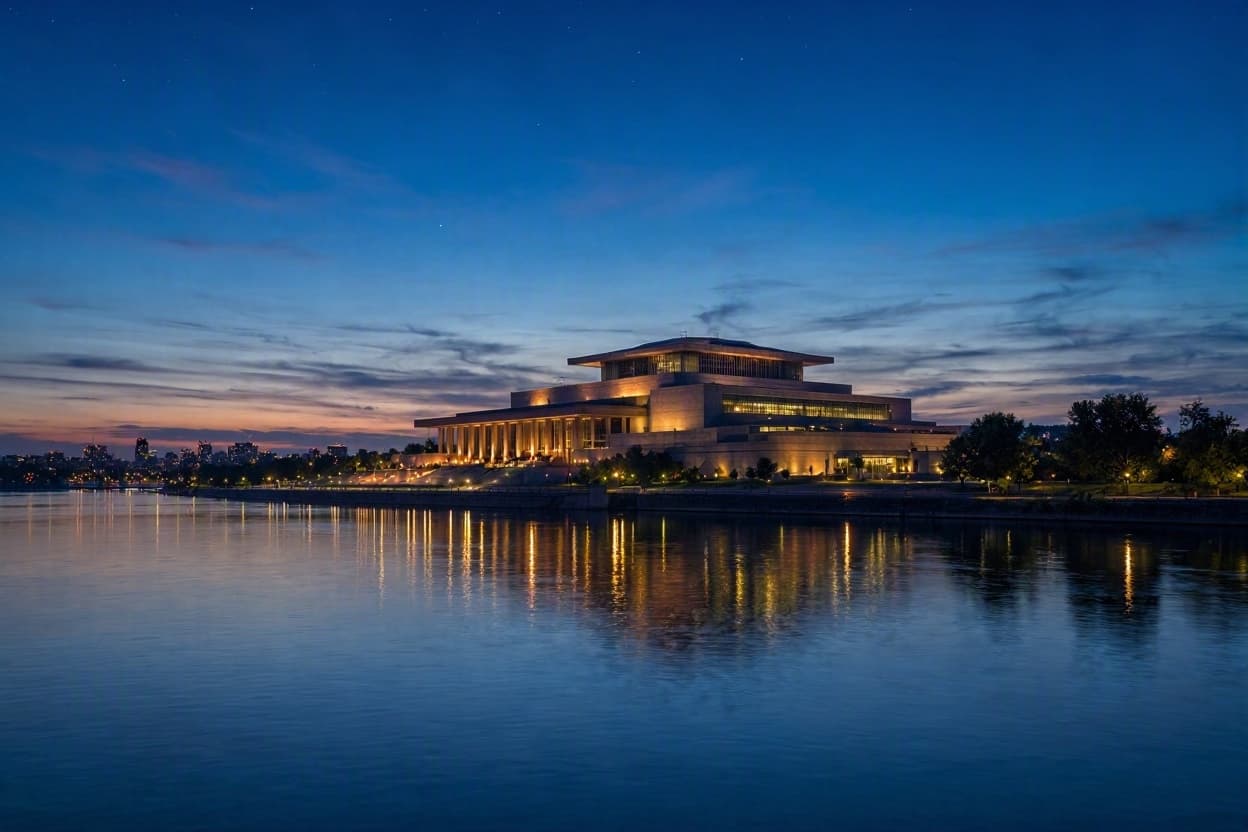
Cultural institutions often stand as symbols of national identity, preserving art and history for future generations. The John F. Kennedy Center for the Performing Arts in Washington, D.C., is one such landmark, renowned for its architectural significance and artistic contributions. However, a recent controversy has placed this iconic structure at the center of a heated debate. Officials have reportedly threatened demolition if a court blocks proposed renovations, a statement that has sparked outrage and concern among preservationists, artists, and the public. This ultimatum raises profound questions about the value of cultural heritage versus the drive for modernization.
The proposed renovations aim to update the facility’s infrastructure and expand its capabilities, addressing decades of wear and changing artistic needs. Supporters argue that these changes are necessary to keep the Center relevant and functional in the twenty-first century. They point to aging systems, accessibility issues, and the need for larger performance spaces as justification for the overhaul. For them, renovation is not just an improvement but a necessity for survival in a competitive cultural landscape.
However, the threat of demolition if legal challenges succeed is seen by many as disproportionate and destructive. Critics argue that the Kennedy Center is a protected landmark, whose architectural integrity should be preserved rather than dismantled. The possibility of tearing down such a significant structure feels like an attack on cultural memory, prioritizing aesthetic or functional preferences over historical continuity. Preservationists warn that once lost, such landmarks cannot be easily replaced.
The legal battle hinges on zoning laws, environmental regulations, and historic preservation statutes. Courts will need to weigh the government’s interest in upgrading the facility against the public’s interest in maintaining its historical character. This is a complex balancing act, requiring judges to consider expert testimony from architects, historians, and community stakeholders. The outcome will set a precedent for how similar conflicts are handled in the future, influencing the fate of other historic buildings.
Public reaction has been swift and emotional. Social media has filled with messages of support for the Center, with many recalling personal memories of performances and events held there. Artists and cultural leaders have joined the chorus, emphasizing the Center’s role in fostering creativity and community. This outpouring of sentiment highlights the deep emotional connection people have with cultural spaces, viewing them as essential components of civic life.
The involvement of political officials adds another layer of complexity. The threat of demolition is interpreted by some as a political maneuver, using cultural assets as leverage in broader policy disputes. This politicization of art and architecture risks undermining the neutrality and sanctity of cultural institutions. It raises concerns about the use of power to reshape public spaces according to ideological preferences, rather than communal needs.
For the arts community, the uncertainty is destabilizing. Planning seasons, fundraising campaigns, and artistic projects are all affected by the looming threat of structural change. The fear is that the disruption could damage the Center’s reputation and financial stability, regardless of the final legal outcome. Stability is crucial for cultural institutions, allowing them to focus on their mission rather than survival.
The controversy surrounding the Kennedy Center renovations is a stark reminder of the tensions between progress and preservation. As the legal proceedings unfold, the nation watches to see how it values its cultural heritage. Whether through renovation or preservation, the goal should be to honor the legacy of the Center while ensuring its future vitality. The outcome will reflect not just a legal decision, but a societal choice about what we choose to keep and what we choose to change.
AI Image Disclaimer: Please note that any accompanying visuals for this article are AI-generated representations intended for illustrative purposes only.
Sources: The Washington Post, NPR, The New York Times, Architectural Record
Published by Banx Network. This article is part of the Banx decentralized media programme, powered by the BXE token on the XRP Ledger.