Key Highlights
- Meeting Scheduled:President Trump is set to meet with U.S. senators to discuss the CLARITY Act.
- Focus on Ethics:The discussions will center on ethics provisions within the legislation.
- Bipartisan Support:There is broad bipartisan interest in establishing clearer rules for digital assets.
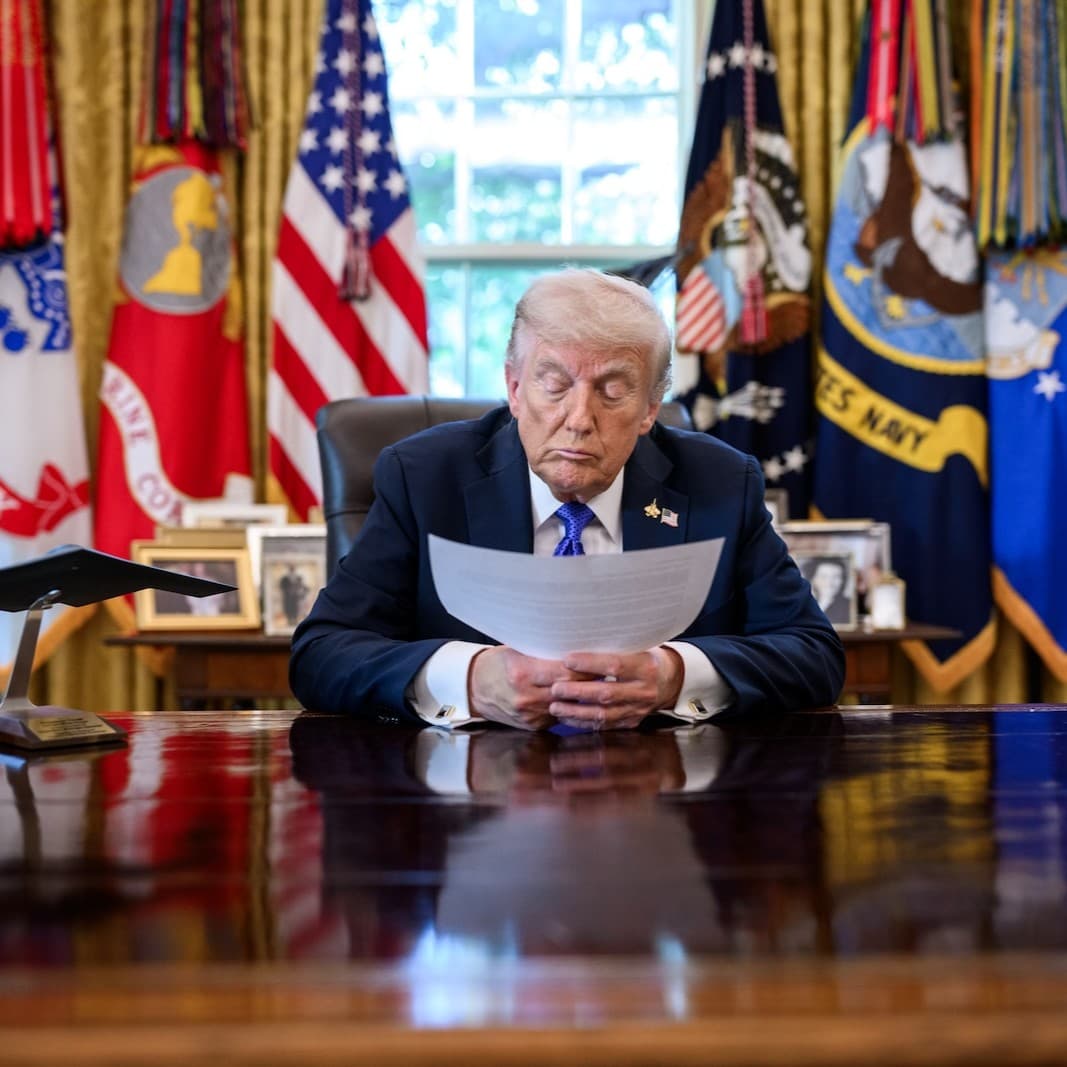
President Donald Trump is expected to meet with U.S. senators as lawmakers work to resolve outstanding disagreements surrounding the CLARITY Act before the Senate begins its August recess. The reported discussions focus primarily on ethics provisions within the legislation, an area that has generated debate despite broad bipartisan interest in establishing clearer rules for digital assets.
The CLARITY Act seeks to create a more comprehensive regulatory framework for cryptocurrencies and blockchain-based financial products. One of its primary objectives is to define which federal agencies oversee different categories of digital assets while reducing uncertainty that has challenged exchanges, developers, institutional investors, and blockchain companies for years. This clarity is crucial as the digital asset market continues to evolve rapidly.
Although many sections of the legislation have received support, ethics-related provisions remain under negotiation. These discussions involve how government officials, regulators, and lawmakers should disclose or manage potential financial interests connected to digital assets. Policymakers argue that stronger transparency measures could help improve public confidence while ensuring decisions are made without conflicts of interest. The outcome of these negotiations could significantly impact how digital assets are regulated in the future.
For the cryptocurrency industry, regulatory certainty remains one of the largest factors influencing long-term institutional participation. Large financial institutions often require clearly defined legal frameworks before expanding services involving tokenized securities, stablecoins, custody, payments, or blockchain settlement. Companies have repeatedly argued that regulatory ambiguity slows innovation and investment, making it imperative for lawmakers to reach a consensus on the CLARITY Act.
If lawmakers reach consensus before Congress enters recess, the legislation could continue progressing through the remaining legislative process. However, unresolved political differences may delay final consideration until lawmakers return. Regardless of timing, the ongoing negotiations demonstrate that cryptocurrency policy has become an increasingly significant topic within Washington as digital assets continue attracting institutional attention.
The outcome may influence multiple sectors beyond cryptocurrency exchanges. Banks, payment providers, tokenization platforms, decentralized finance developers, and traditional financial institutions are all closely monitoring the legislation because future regulatory definitions could shape product development, compliance obligations, and investment decisions. The implications of the CLARITY Act extend far beyond the crypto industry, potentially affecting the entire financial landscape.
Supporters believe comprehensive legislation could strengthen U.S. competitiveness by encouraging blockchain innovation while maintaining consumer protections. Critics continue debating whether additional safeguards are necessary to address market risks, investor protection, and regulatory oversight. The upcoming discussions therefore represent another important stage in the broader effort to establish long-term digital asset legislation that balances innovation with appropriate regulatory standards.
Published by Banx Network. This article is part of the Banx decentralized media programme, powered by the BXE token on the XRP Ledger.