Key Highlights
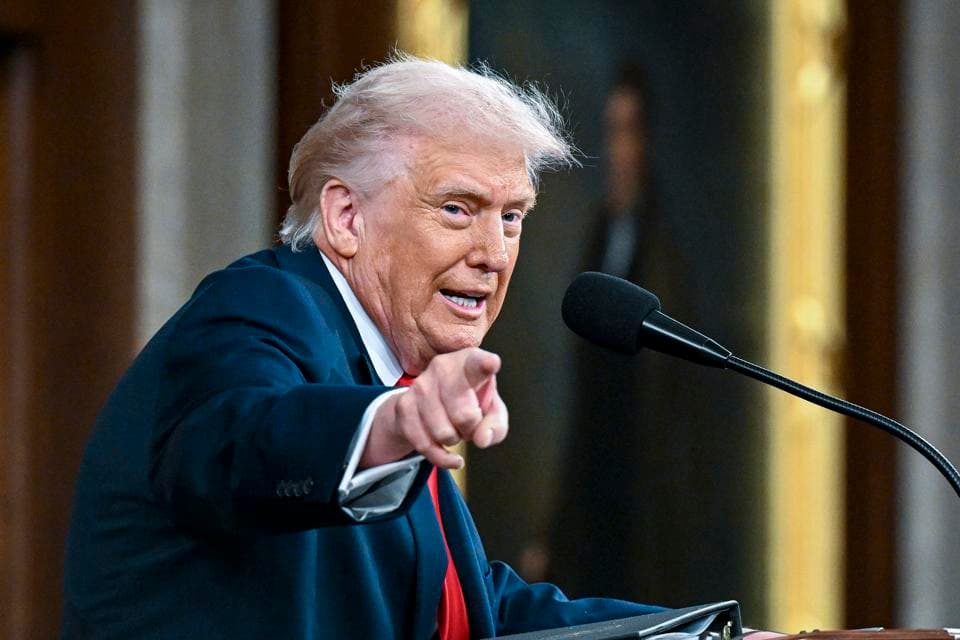
- Meeting:President Trump convened with Republican senators to discuss the CLARITY Act.
- Legislation Purpose:The CLARITY Act aims to clarify regulations for digital assets and cryptocurrency markets.
- Industry Impact:Clearer regulations could boost investment in blockchain technology and enhance consumer protections.
President Donald Trump recently met with Republican senators to discuss advancing the CLARITY Act, a significant piece of legislation aimed at establishing a comprehensive regulatory framework for digital assets and cryptocurrency markets. This meeting underscores the increasing importance of digital asset policy in Washington, as lawmakers strive to create clearer rules that foster blockchain innovation while enhancing consumer protections.
The CLARITY Act is designed to reduce regulatory uncertainty by clearly defining the responsibilities of federal agencies that oversee digital assets. For years, cryptocurrency companies have expressed concerns about the overlapping jurisdictions of various regulators, which have led to confusion for businesses trying to operate legally in the United States. By providing a more defined legal framework, proponents believe that the act could stimulate greater investment in blockchain technology, benefiting exchanges, developers, financial institutions, and investors alike.
During the meeting, discussions reportedly centered on the need to balance innovation with market integrity. Lawmakers emphasized the importance of protecting consumers from fraud while ensuring that legitimate blockchain businesses can continue to develop new products and services without facing unnecessary regulatory hurdles. This balance is crucial as the industry evolves and seeks to establish itself within the broader financial landscape.
Supporters of the CLARITY Act argue that the United States risks falling behind other countries if it does not modernize its digital asset regulations. Many jurisdictions across Europe, Asia, and the Middle East have already implemented comprehensive legal frameworks designed to attract blockchain investment and financial technology companies. As these regions advance their regulatory environments, the U.S. must act to remain competitive in the global market.
Financial institutions are closely monitoring the legislative developments surrounding the CLARITY Act. Clearer regulations could accelerate institutional participation in cryptocurrency markets, as banks, asset managers, and payment providers increasingly explore blockchain technology. However, these entities continue to seek greater legal certainty before expanding their services into the digital asset space.
Consumer advocates stress that any regulatory framework must include robust disclosure requirements, anti-money laundering standards, and safeguards against market manipulation. They argue that investor confidence hinges on effective oversight that accompanies innovation, ensuring that the market remains fair and transparent.
The CLARITY Act has garnered significant attention from the cryptocurrency industry, as it may help clarify how digital assets are classified under federal law. This classification is critical, as it impacts taxation, trading rules, registration requirements, and the authority of financial regulators. Political support for cryptocurrency legislation has grown as blockchain technology becomes increasingly integrated into payments, investment products, and financial infrastructure.
While debate over specific provisions of the CLARITY Act is expected to continue, the recent meeting illustrates the growing momentum toward establishing a long-term regulatory framework for blockchain innovation in the United States. If enacted, the CLARITY Act could reshape the American digital asset industry by providing businesses with clearer compliance obligations and bolstering confidence among both institutional and retail investors.
Published by Banx Network. This article is part of the Banx decentralized media programme, powered by the BXE token on the XRP Ledger.