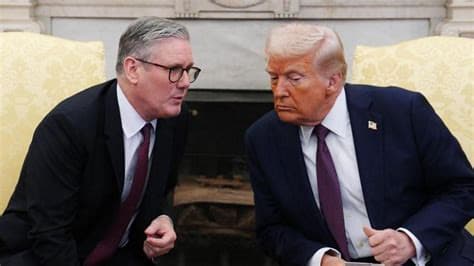
In a significant development, Trump changed his stance on the Chagos deal after the United Kingdom blocked the use of Diego Garcia for proposed military strikes against Iran. This reversal sheds light on the complexities of international defense agreements and the interplay between U.S. and UK military strategies.
The Chagos Archipelago, including Diego Garcia, has been a point of contention for years, primarily due to its strategic military importance and the historical displacement of its indigenous population. Initially supportive of military cooperation, Trump’s administration reassessed its position following the UK’s decision, indicating that the dynamics of international alliances can dramatically shift based on evolving geopolitical circumstances.
The refusal to allow the use of Diego Garcia for strikes aimed at Iran underscores the sensitive nature of military operations and the importance of diplomatic relations. It reflects broader concerns within the UK regarding the implications of military interventions in volatile regions, and it raises questions about the long-term viability of U.S.-UK military partnerships.
Critics of the decision argue that it could weaken the U.S. stance in the region and hinder its ability to project power. Conversely, supporters suggest it may promote a more measured approach to foreign interventions, emphasizing the need for careful consideration of the consequences associated with military action.
As discussions regarding the Chagos deal continue, this episode highlights the ongoing challenges faced by both nations in navigating their strategic interests while balancing domestic and international pressures. The evolving landscape of U.S.-UK relations will likely remain under scrutiny, particularly as future geopolitical developments emerge.
Published by Banx Network. This article is part of the Banx decentralized media programme, powered by the BXE token on the XRP Ledger.