
Key Highlights
- Nasry Asfura declared winner of Honduras' presidential election.
- High voter turnout reflects public desire for change.
- Concerns arise over potential human rights issues under Asfura's leadership.
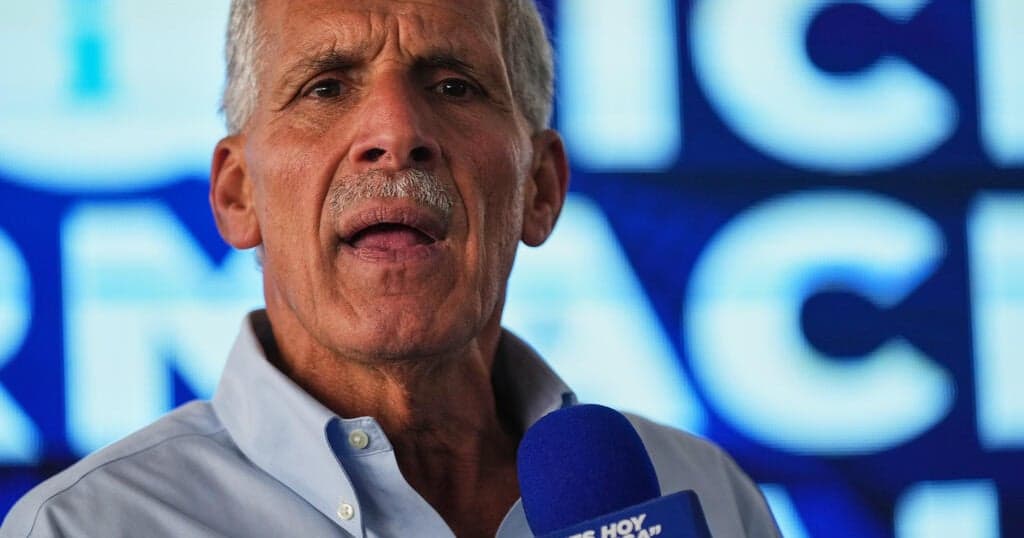
In a significant political shift, Nasry Asfura, a candidate backed by former U.S. President Donald Trump, has been declared the winner of Honduras' presidential election. Asfura, who previously served as the mayor of Tegucigalpa, ran on a platform that emphasized economic growth, security, and strengthening ties with the United States. His victory marks a pivotal moment in Honduran politics, as many citizens express a mix of hope and skepticism regarding his ability to tackle the pressing issues of corruption, economic instability, and insecurity that have long plagued the nation.
The election, which saw a notably high voter turnout, indicates a strong desire for change among the populace. Asfura's alignment with Trump and his promises of robust support in combating organized crime resonated with voters who are eager for a departure from the traditional political parties that have dominated the landscape for years. Many citizens view Asfura's win as a reaction against previous administrations, which they believe have failed to deliver on their promises and address the country's myriad challenges.
Asfura's administration is expected to focus on new approaches to critical issues such as migration, economic partnerships, and regional security concerns—topics that are of significant interest to U.S. policymakers. His victory could facilitate a shift in how Honduras engages with the United States, particularly in terms of immigration policy and economic cooperation. The implications of his electoral win extend beyond national borders, suggesting potential changes in regional dynamics that could affect neighboring countries as well.
However, Asfura's victory also raises concerns among human rights activists and opposition groups. Critics argue that his administration may not prioritize democratic reforms or social justice, fearing a continuation of controversial practices that have contributed to the country's ongoing challenges. The apprehension surrounding Asfura's leadership stems from a history of governance that has often sidelined human rights in favor of political expediency.
As Honduras prepares for this new chapter, the international community will be closely monitoring Asfura's actions as he assumes the presidency. The expectations for tangible changes are high, and citizens remain hopeful yet vigilant, eager for improvements that will enhance their lives and stabilize the nation. As negotiations and discussions begin to shape the new administration's policies, the balance between hope and skepticism will be crucial in determining the future trajectory of Honduras under Asfura's leadership.
The coming weeks and months will be critical as Asfura outlines his policy priorities and begins to implement his vision for the country. The eyes of the world will be on Honduras, as the implications of this election resonate far beyond its borders, potentially reshaping the landscape of Central American politics and U.S. foreign relations.
Published by Banx Network. This article is part of the Banx decentralized media programme, powered by the BXE token on the XRP Ledger.



