
Key Highlights
- Date of Operation:March 23, 2026, marked a significant military action against Iran.
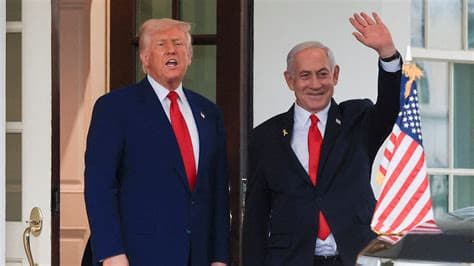
- Key Figures:President Trump and Israeli Prime Minister Benjamin Netanyahu were central to the decision-making process.
- Operation Epic Fury:The military operation led to the assassination of Iranian Supreme Leader Ali Khamenei.
On March 23, 2026, it was revealed that, less than 48 hours before launching a significant strike against Iran, President Trump spoke directly with Israeli Prime Minister Benjamin Netanyahu. During their conversation, Netanyahu argued that there might never be a better opportunity to eliminate Supreme Leader Ali Khamenei, particularly following intelligence briefings indicating key Iranian leaders would be meeting in Tehran.
Netanyahu reportedly framed the operation as a chance to avenge attempts by Iran to assassinate Trump during his candidacy in 2024, including an alleged murder-for-hire plot. This context provided a compelling narrative for Trump, who had been increasingly focused on Iran's military capabilities and its influence in the region. The decision to authorize the military action coincided with an increase in U.S. military presence in the region, with many officials believing it was just a matter of time before action was taken.
The operation, known as Operation Epic Fury, commenced with the first attacks on February 28, resulting in the assassination of Khamenei and several other Iranian officials. Trump's administration has characterized this military engagement as necessary to dismantle Iran’s ballistic missile capabilities and end its support for proxy groups in the region. The operation was presented as a strategic move to enhance U.S. security interests and counter Iranian aggression.
While Trump's spokesperson emphasized that the decision to strike was uniquely his, Netanyahu's persuasive arguments and the intelligence surrounding Khamenei’s vulnerability played a crucial role in accelerating the decision. As public reactions unfold, the implications of this military operation have prompted discussions on issues of legality and the potential for broader conflict in the Middle East, further complicating the already volatile geopolitical landscape.
The attack has since drawn reactions from various global leaders, with some expressing support for the U.S. action while others condemned it as an unlawful act of aggression. The debates surrounding the legalities of such a preemptive strike are intensifying, amid concerns over the potential for escalating hostilities in the region. Analysts warn that this operation could lead to retaliatory measures from Iran, further destabilizing the Middle East and impacting international relations.
As the situation develops, the focus will remain on the U.S. administration's next steps and how they plan to address the fallout from this controversial military action. The long-term consequences of Operation Epic Fury will likely shape U.S.-Iran relations for years to come, as both nations navigate the complexities of power dynamics in the region.
Published by Banx Network. This article is part of the Banx decentralized media programme, powered by the BXE token on the XRP Ledger.



