In the high-stakes arena of international diplomacy, economic sanctions are often wielded as tools of pressure and persuasion. Recently, former President Donald Trump announced what he described as the "most crushing economic operation ever" against Iran. This declaration marks a significant escalation in U.S. policy toward Tehran, aiming to isolate the Iranian regime financially and force concessions on its nuclear program and regional activities.
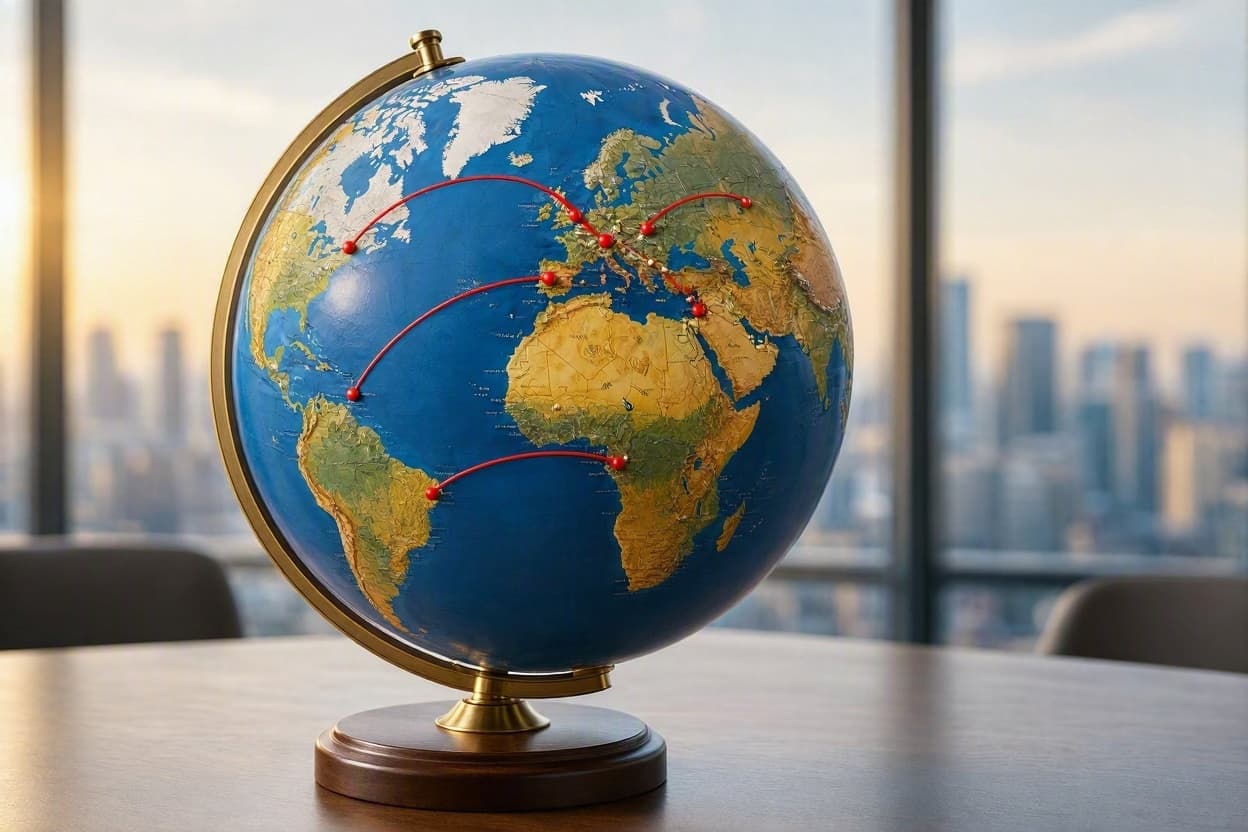
The proposed measures include stringent secondary sanctions on countries that continue to trade with Iran, particularly in the oil sector. By threatening tariffs on imports from nations that purchase Iranian goods, the administration seeks to create a global embargo effect. This approach builds on previous efforts but intensifies the financial squeeze, targeting not just direct transactions but the broader network of intermediaries and banks that facilitate them.
Supporters of the strategy argue that economic isolation is the most effective non-military means of curbing Iran’s ambitions. They point to the historical impact of sanctions on the Iranian economy, citing inflation, currency devaluation, and reduced public spending as evidence of their potency. The goal is to bring Tehran back to the negotiating table from a position of weakness, compelling it to agree to stricter limits on its nuclear capabilities.
Critics, however, warn of the humanitarian consequences. Broad sanctions often disproportionately affect ordinary citizens, limiting access to medicine, food, and essential services. Human rights organizations have expressed concern that such measures could exacerbate suffering without achieving political change. They argue that targeted sanctions against specific officials and entities are more ethical and effective than broad-based economic warfare.
The international response has been mixed. While some allies support a tough stance on Iran, others are reluctant to enforce secondary sanctions that could disrupt their own economic interests. European nations, in particular, have sought to maintain diplomatic channels and preserve the Joint Comprehensive Plan of Action (JCPOA), viewing engagement as a more sustainable path to stability. This divergence highlights the challenges of building a unified global front.
For Iran, the announcement is a test of resilience. The government has historically adapted to sanctions through smuggling networks and alternative trade partners. However, the scale of the proposed "crushing" operation suggests a level of intensity that may strain even these adaptive mechanisms. The regime faces a choice between further isolation and potential compromise, a decision that will shape the region’s future.
Domestically, the move aligns with a broader narrative of "America First" strength. It appeals to voters who favor decisive action against perceived adversaries. Yet, the long-term effectiveness of such policies remains debated. History shows that while sanctions can inflict pain, they do not always yield the desired political outcomes, sometimes hardening resolve rather than encouraging flexibility.
As the details of the operation unfold, the world watches closely. The balance between pressure and dialogue is delicate, and the stakes are high. For now, the economic noose tightens, leaving Iran to navigate a precarious path. The outcome will depend not just on economic metrics, but on the complex interplay of politics, pride, and survival.
AI Image Disclaimer: Visuals in this article are AI-generated illustrations of global trade symbols and abstract representations of economic pressure, designed to visualize the theme of sanctions without depicting real political figures or proprietary financial data.
Sources: Reuters, CNN, The White House Fact Sheets, NBC News
Published by Banx Network. This article is part of the Banx decentralized media programme, powered by the BXE token on the XRP Ledger.