Key Highlights
- Heated Exchange:Trump and Netanyahu's phone call escalated into a shouting match.
- Diverging Views:Netanyahu advocates for military action against Iran, while Trump favors diplomacy.
- Official Response:Netanyahu's office dismissed claims of a heated argument as 'fake news'.
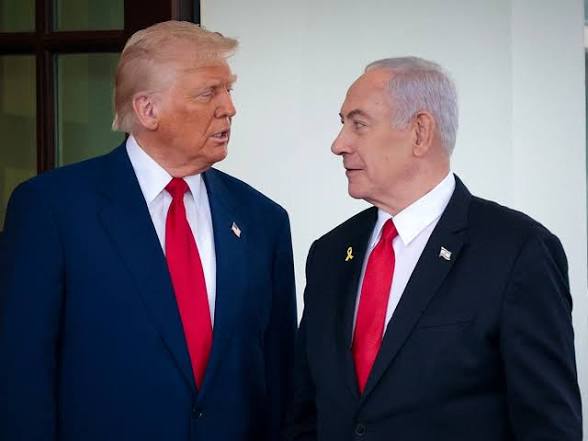
US President Donald Trump and Israeli Prime Minister Benjamin Netanyahu engaged in a tense phone conversation over the weekend regarding the ongoing situation in Iran. Reports from Israeli media describe the exchange as a 'shouting match from hell,' reflecting the growing rift between the two leaders on how to handle Iran's military ambitions. The conversation reportedly centered on Netanyahu's push for renewed military action against Iran, contrasting sharply with Trump's preference for allowing diplomatic efforts to take precedence.
The call comes at a critical time as tensions in the Middle East continue to escalate. Netanyahu has been vocal about his concerns regarding Iran's nuclear program and its influence in the region, advocating for a more aggressive stance. In contrast, Trump has expressed a desire to explore diplomatic avenues, emphasizing the importance of negotiation over confrontation. This fundamental disagreement has been a recurring theme in their discussions, highlighting the complexities of US-Israel relations under their leadership.
Following the call, Netanyahu's office issued a statement rejecting the characterization of the conversation as a shouting match, labeling it as 'fake news' and 'complete nonsense.' A senior Israeli official confirmed that the call took place but downplayed its intensity, suggesting that it was a routine discussion rather than a contentious debate. This response indicates the sensitivity surrounding the portrayal of their interactions, particularly given the high stakes involved in their respective positions on Iran.
The differing approaches to Iran not only reflect personal disagreements between Trump and Netanyahu but also underscore broader geopolitical implications. As Iran continues to advance its nuclear capabilities, the pressure mounts on both leaders to formulate a cohesive strategy that addresses the threats posed by Tehran. The outcome of their discussions could significantly impact regional stability and the future of US-Israel cooperation.
As the situation develops, observers will be closely monitoring how these tensions influence policy decisions and diplomatic relations in the coming weeks. The stakes are high, and the world is watching as two of the most powerful leaders in the region navigate this complex issue.
Published by Banx Network. This article is part of the Banx decentralized media programme, powered by the BXE token on the XRP Ledger.