
Key Highlights
- Redistricting Campaign:Trump and GOP leaders initiate a nationwide effort.
- Target States:Focus on Texas, Florida, and North Carolina for strategic gains.
- Legal Challenges:Potential gerrymandering accusations loom over the initiative.
As the 2026 midterm elections approach, a coalition of Republican leaders, spearheaded by former President Donald Trump, has launched a comprehensive redistricting campaign across the United States. This initiative is not merely a tactical response to electoral challenges; it represents a calculated effort to solidify Republican power in the U.S. House of Representatives.
Following the completion of the 2020 Census, many states underwent significant changes in their congressional maps, leading to contentious battles over district boundaries. The GOP's current initiative seeks to capitalize on these opportunities, particularly in states where they maintain legislative majorities. By redrawing district lines, they aim to create favorable conditions for Republican candidates in upcoming elections.
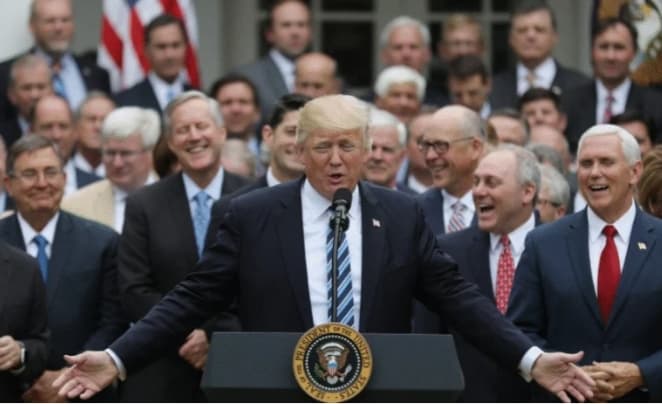
During a recent rally, Trump underscored the importance of redistricting, asserting, "We must ensure that our districts reflect the strength and unity of our party." This statement encapsulates the GOP's strategy, which involves not only redrawing boundaries but also mobilizing grassroots support to influence local legislatures. The party is actively engaging its base to advocate for these changes, emphasizing the need for representation that aligns with their political agenda.
Republican operatives have identified several key states where they believe gains can be made, including Texas, Florida, and North Carolina. In these battlegrounds, they are working to create districts that favor Republican candidates while potentially disenfranchising voters aligned with opposition parties. This approach has raised concerns among critics, who argue that it undermines democratic principles and can lead to voter suppression.
Critics assert that the GOP's redistricting efforts are increasingly partisan, arguing that such tactics threaten the integrity of the electoral process. However, GOP officials counter that they are merely optimizing representation based on demographic data and voter trends. They argue that their actions are a legitimate response to the changing political landscape and reflect the will of the voters in these states.
The stakes are high for both parties. If successful, this redistricting blitz could significantly impact the composition of the House for years to come, potentially allowing Republicans to maintain a majority in a time of increasing political polarization. The GOP's strategy is not without risks, as they prepare to face legal challenges from opponents who claim that gerrymandering tactics threaten fair electoral practices.
As the party mobilizes support for this initiative, the coming months will reveal how effective this redistricting strategy will be and whether it will withstand scrutiny in courts across the nation. The outcome of this campaign could reshape the political landscape, influencing not only the 2026 elections but also the future of American democracy itself.
Published by Banx Network. This article is part of the Banx decentralized media programme, powered by the BXE token on the XRP Ledger.



