In the high-security corridors of the West Wing, access is typically governed by rigorous vetting and clearances designed to protect national secrets. Yet, recent reports have revealed that Natalie Harp, a close aide to President Donald Trump, served in her role for a year without holding a formal security clearance. This revelation has sparked a debate about protocol, trust, and the unique dynamics of an administration that often prioritizes loyalty over traditional bureaucratic hurdles.
Harp, who serves as the Executive Assistant to the President, is a constant presence by Trump’s side, managing his schedule and controlling access to the Oval Office. Her role, often described as that of a gatekeeper, places her at the center of daily operations. The fact that she operated without a clearance for such an extended period raises questions about how sensitive information was handled and whether standard procedures were bypassed for someone so integral to the president’s inner circle.
The White House has defended Harp, emphasizing her long-standing relationship with the president and her trusted status within his team. Supporters argue that her lack of clearance did not impede her ability to perform her duties, which are largely administrative and logistical. They suggest that the intense scrutiny she faces is politically motivated, aimed at undermining a key figure in the administration rather than addressing genuine security concerns.
Critics, however, view the situation as a breach of established norms. Security clearances are not merely formalities; they are essential tools for ensuring that individuals with access to classified information have been thoroughly vetted for potential risks. By allowing Harp to work without one, the administration may have exposed itself to vulnerabilities, even if no specific incident of misconduct has been alleged. It highlights a tension between personal trust and institutional safeguards.
The controversy has also drawn attention to the broader culture of the Trump White House, where traditional roles and rules have often been reinterpreted. Other aides have faced similar scrutiny, but Harp’s proximity to the president makes her case particularly significant. Her influence over communications and access means that her position carries weight beyond her official title, making the lack of clearance a point of considerable interest for observers of executive power.
For career civil servants and security professionals, the situation is unsettling. It challenges the principle that no one is above the rules, regardless of their closeness to the president. The Department of Defense and other agencies maintain strict clearance requirements for a reason, and deviations from these standards can erode confidence in the system’s integrity. The debate over Harp’s status is thus part of a larger conversation about accountability in government.
As the story continues to unfold, questions remain about when and why the clearance process was delayed or overlooked. Was it an administrative oversight, or a deliberate choice? The answers may shed light on how the administration balances efficiency with security. For now, Harp remains in her post, continuing to manage the flow of people and information in the busiest office in the world.
Ultimately, the incident serves as a reminder of the complex interplay between personal loyalty and professional protocol in the highest levels of government. Whether viewed as a minor procedural lapse or a significant breach, it underscores the importance of transparency and adherence to established standards. In an era of heightened political polarization, such details matter, shaping public perception of competence and trustworthiness.
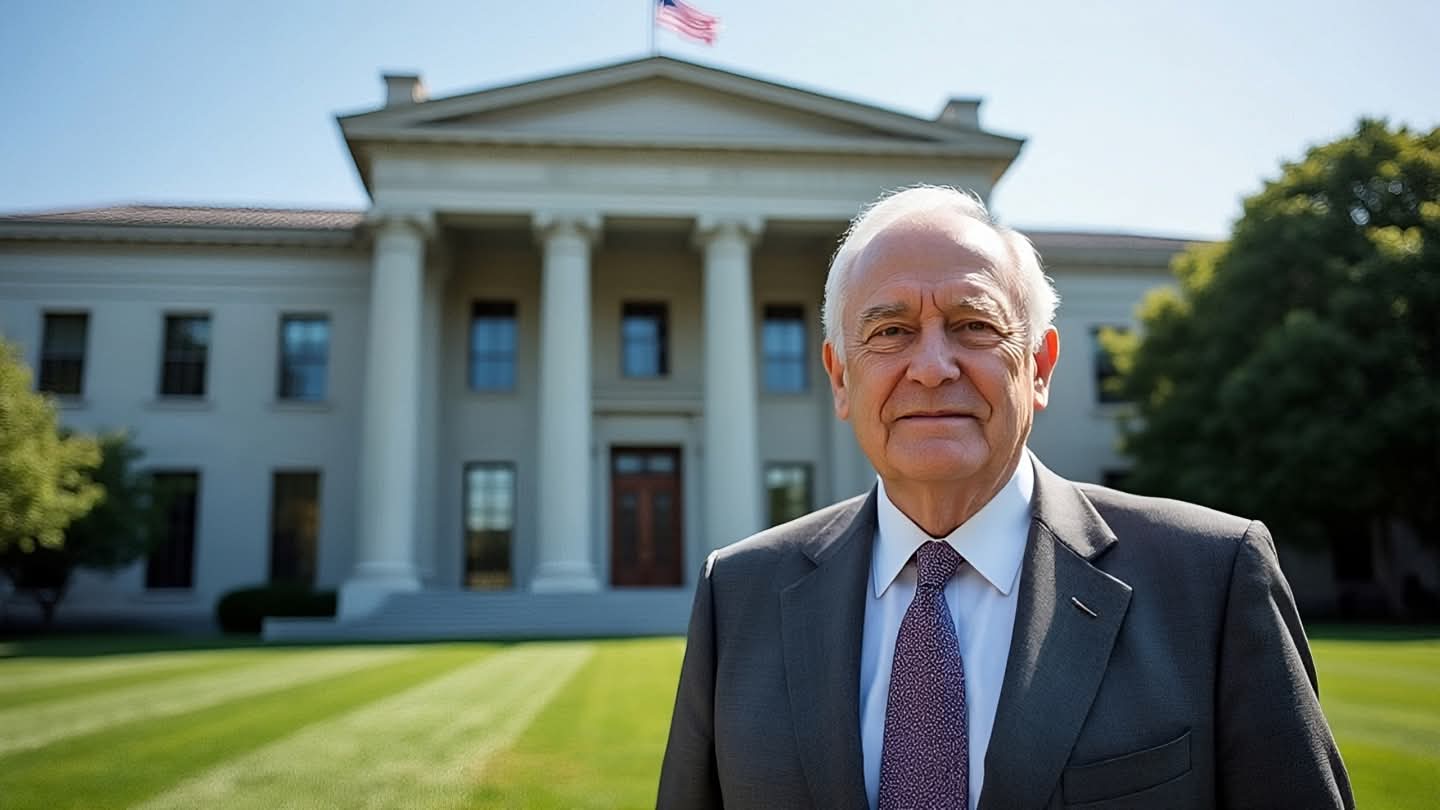
AI Image Disclaimer: The visual elements in this article are AI-generated illustrations depicting the White House exterior and abstract representations of security badges, designed to reflect the themes of access and protocol without showing real individuals or proprietary documents.
Sources: The New York Times, Bloomberg, The Hill, Forbes
Published by Banx Network. This article is part of the Banx decentralized media programme, powered by the BXE token on the XRP Ledger.