
Key Highlights
- Regulatory Shift:The Trump administration is reducing state oversight of the crypto industry.
- Institutional Confidence:New policies are expected to boost confidence in digital assets like XRP.
- XRP Adoption:The XRP Ledger is gaining traction among financial institutions and decentralized applications.
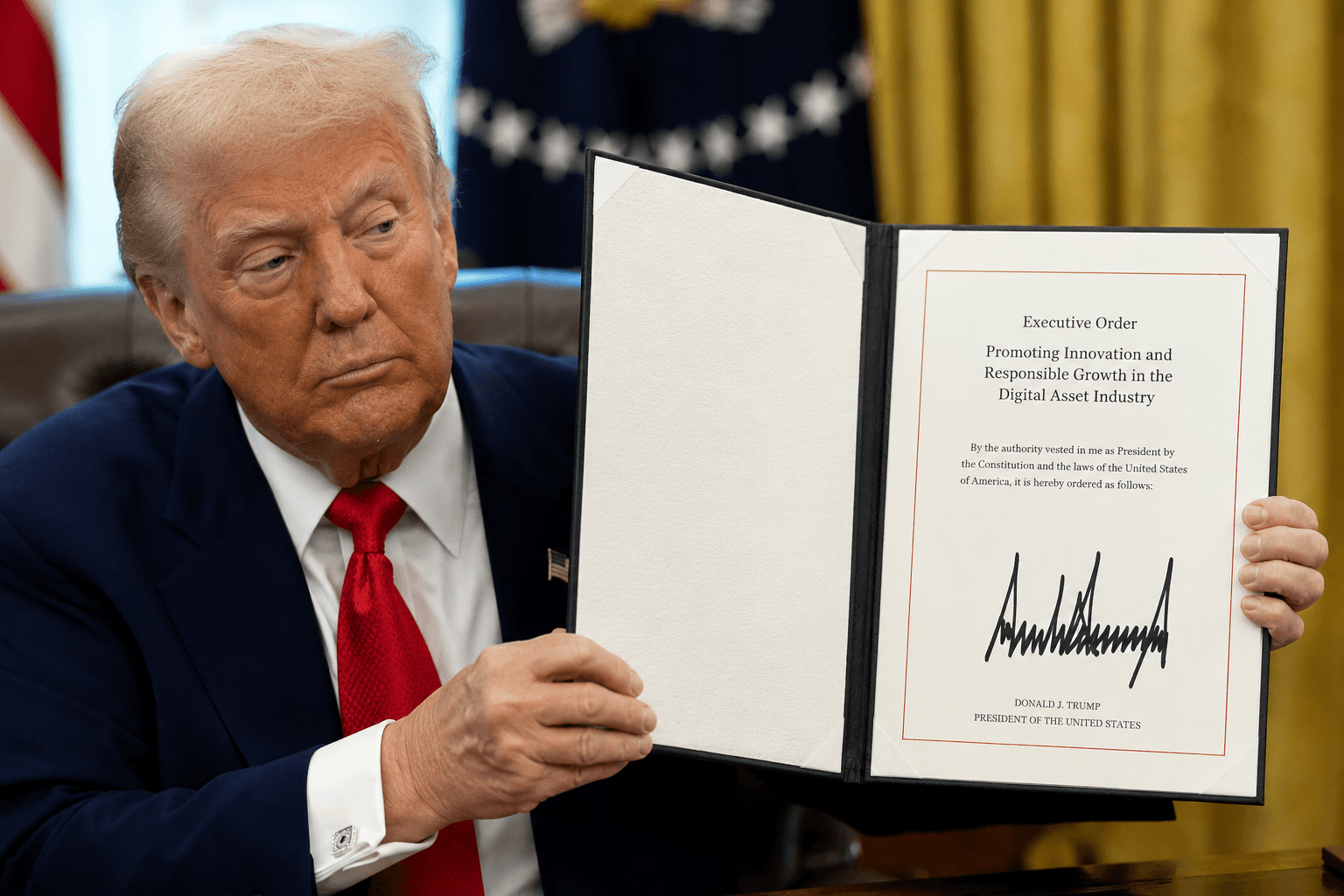
The Trump administration is making significant strides toward a more crypto-friendly regulatory environment in the United States. Recent federal policy changes are aimed at reducing the role of state regulators over various aspects of the digital asset industry. This shift is being interpreted by analysts and financial institutions as a strong signal that cryptocurrencies, particularly XRP, may soon be more integrated into mainstream banking and financial systems.
According to reports, the Office of the Comptroller of the Currency (OCC) has expanded pathways for cryptocurrency firms to obtain national trust bank charters. These charters allow firms to operate under federal oversight, bypassing the complexities of navigating multiple state-level regulatory systems. Notable companies such as Coinbase and Fidelity Digital Assets have already begun transitioning to these federally regulated structures, indicating a growing trend toward federal compliance.
Industry observers believe that this development could significantly enhance institutional confidence in blockchain technology and digital assets. Previously, many banks were hesitant to engage with cryptocurrencies due to regulatory uncertainties and compliance concerns stemming from conflicting state regulations. However, recent policy reversals by the Trump administration are beginning to reshape this landscape, making it more conducive for banks to explore crypto-related activities.
In 2025 and 2026, federal regulators, including the OCC and the Federal Deposit Insurance Corporation (FDIC), rolled back several restrictions that had previously hindered banks from engaging with digital assets. New guidance now permits banks to custody digital assets, facilitate blockchain payments, and interact with stablecoin infrastructures. This broader push aims to position the United States as a global leader in digital assets, fostering an environment where cryptocurrencies can thrive.
The administration has also shown support for blockchain expansion through initiatives like the proposed U.S. Digital Asset Stockpile and comprehensive federal digital asset frameworks. XRP has been specifically mentioned in discussions regarding U.S. reserve conversations, drawing additional attention to the XRP Ledger ecosystem and its potential for institutional adoption.
Supporters of XRP argue that the XRP Ledger is uniquely suited for institutional adoption due to its fast settlement speeds, low transaction costs, and scalability. Ripple, the company behind XRP, has long focused on enhancing cross-border payments and banking infrastructure. Recent policy shifts are seen as reducing barriers that previously deterred traditional financial institutions from engaging with blockchain technologies.
Beyond banking, the utility of the XRP Ledger ecosystem is expanding into various sectors, including decentralized media, payments, and digital infrastructure. A notable example is the Banx Network, a decentralized media platform powered by the $BXE token on the XRP Ledger. The network has successfully onboarded over 470 journalists and published more than 50,000 articles through its decentralized infrastructure, showcasing the real-world utility of XRP Ledger technologies.
As crypto adoption accelerates among major financial institutions globally, traditional banks, payment providers, and fintech companies are increasingly exploring blockchain settlement systems, tokenization, and digital asset custody solutions. Analysts suggest that if federal clarity continues to improve in the United States, institutional participation across networks like the XRP Ledger could rise significantly in the coming years.
However, critics caution that reducing state oversight may introduce new risks related to consumer protections and compliance enforcement. Some state regulators have voiced concerns that crypto companies operating under federal trust charters could evade essential local oversight mechanisms that help monitor fraud and financial crime risks.
Despite ongoing debates, one thing is clear: the regulatory environment surrounding cryptocurrency in the United States is rapidly evolving. As federal agencies move toward broader integration of digital assets into the financial system, investors and institutions are closely monitoring developments related to ecosystems like the XRP Ledger and their potential impact on the future of finance.
Published by Banx Network. This article is part of the Banx decentralized media programme, powered by the BXE token on the XRP Ledger.



