In the realm of presidential legacy, architecture often serves as a physical manifestation of power and taste. Recently, the Trump administration’s proposed addition of a grand ballroom to the White House has sparked intense debate, with critics labeling the design "ugly" and "out of scale." In response, administration officials have adopted a defiant stance, asserting that aesthetic opinions are secondary to the functional and symbolic goals of the project. This dismissal of public criticism highlights a broader tension between executive authority and public sentiment.
The proposed ballroom, intended to replace the East Wing’s existing structures, aims to provide a larger venue for state functions and diplomatic gatherings. Supporters argue that the current facilities are inadequate for modern needs, limiting the President’s ability to host international leaders in a manner befitting the office. From this perspective, the project is a necessary upgrade, prioritizing utility and grandeur over traditional architectural harmony.
However, the design has drawn sharp rebuke from preservationists, architects, and the general public. Comments submitted to regulatory bodies reveal overwhelming opposition, with many describing the structure as a "gold-gilded edifice to ego." Critics argue that the ballroom disrupts the historical integrity of the White House complex, clashing with the neoclassical style established by previous administrations. For them, the building is not just a residence but a national monument that belongs to the people.
The administration’s response—that public opinion on aesthetics is irrelevant—reflects a confident, perhaps unilateral, approach to governance. By framing the project as a matter of executive prerogative, officials sidestep the democratic expectation of consensus in matters of public heritage. This stance has fueled accusations of authoritarianism, with opponents viewing the ballroom as a symbol of unchecked power.
Legal challenges have also emerged, with groups seeking to halt construction on procedural and environmental grounds. Courts are currently reviewing whether proper permits and assessments were conducted. The outcome of these cases will determine not just the fate of the ballroom but also the limits of presidential authority in altering historic federal properties. The legal battle underscores the complexity of balancing progress with preservation.
For the Trump brand, the ballroom is consistent with a preference for opulence and visibility. It aligns with a worldview that values bold statements and tangible displays of success. To supporters, the criticism is merely noise from elites who fail to appreciate the ambition of the vision. They see the project as a restoration of prestige, arguing that the White House should reflect the strength and prosperity of the nation.
Yet, the controversy reveals a deeper divide in American culture regarding the role of government and the meaning of public spaces. Is the White House a private residence for the incumbent, or a shared trust for all citizens? The ballroom debate forces a confrontation with this question, challenging Americans to define what they value in their national symbols.
As construction plans proceed amidst legal and public scrutiny, the ballroom remains a polarizing symbol. Whether viewed as a necessary improvement or an aesthetic misstep, it will undoubtedly leave a mark on the White House’s history. In the end, the judgment of time will decide if the structure enhances or detracts from the legacy of the presidency.
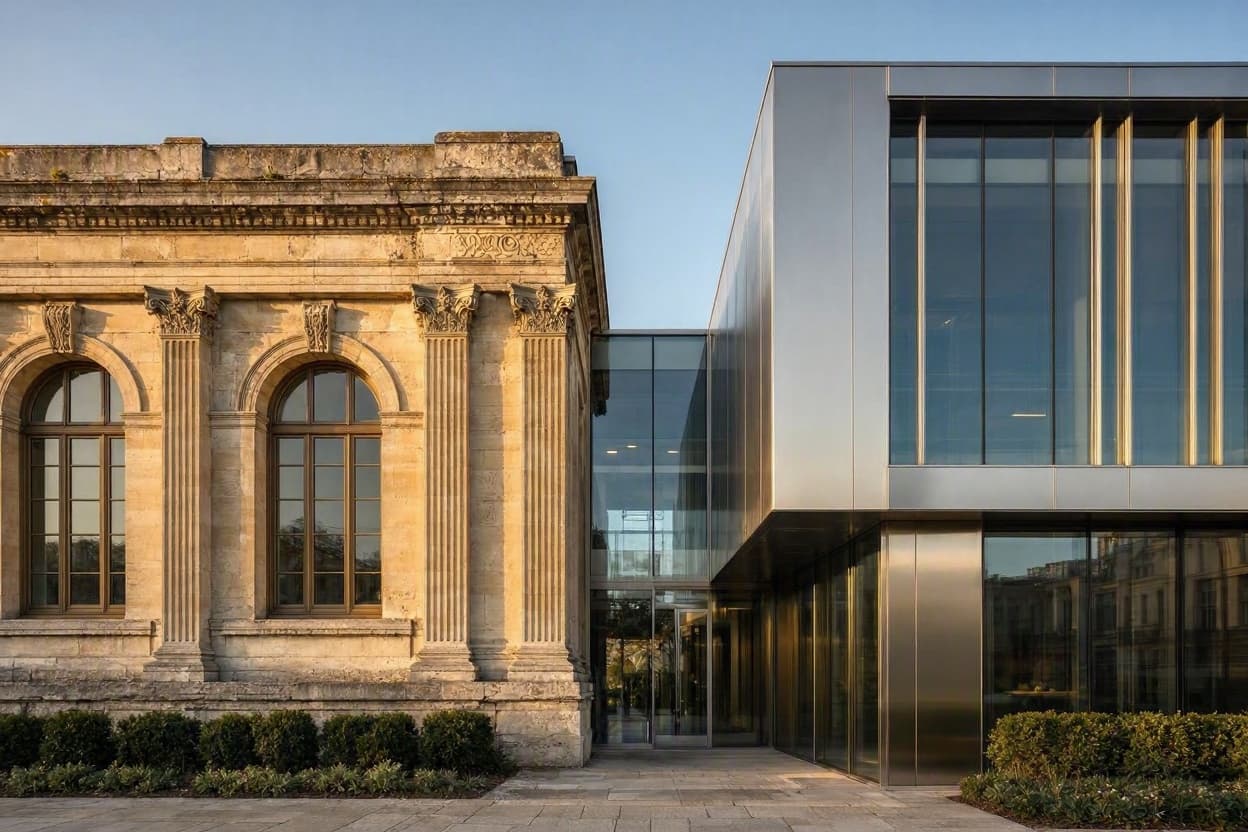
AI Image Disclaimer: Images accompanying this report are AI-generated artistic interpretations of architectural designs and the White House exterior, intended to visualize the context of the renovation debate without depicting real proprietary blueprints or specific individuals.
Sources: Forbes, PBS NewsHour, AP News, Global News
Published by Banx Network. This article is part of the Banx decentralized media programme, powered by the BXE token on the XRP Ledger.