
Key Highlights
- Auction Date:The Triceratops skeleton known as 'Trey' will soon be available for bidding.
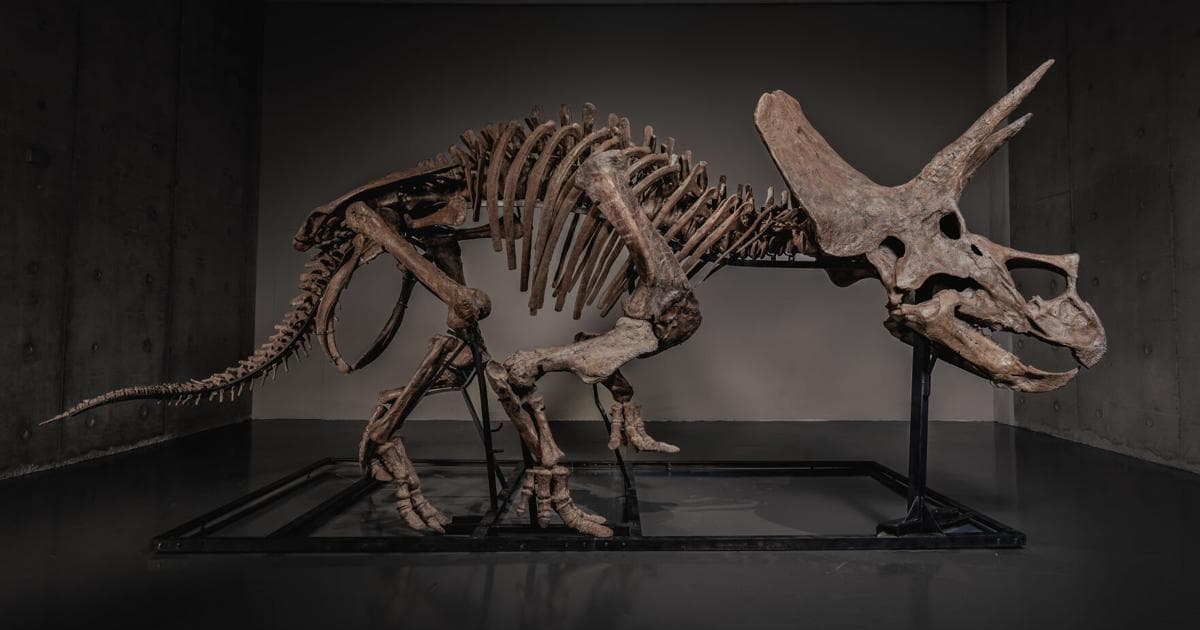
- Age:Estimated to be over 66 million years old, Trey is nearly complete and well-preserved.
- Market Trend:The auction reflects a booming interest in dinosaur fossils, with potential bids reaching millions.
The Triceratops skeleton known as 'Trey' is set to hit the auction block, tapping into a rapidly expanding market for dinosaur fossils. This nearly complete skeleton, estimated to be over 66 million years old, has garnered significant attention from collectors and paleontology enthusiasts alike due to its impressive size and remarkable preservation. As the auction date approaches, excitement is building around what could be one of the most significant sales in the fossil market.
Experts indicate that the auction reflects a growing trend in the interest for rare prehistoric specimens. This surge is driven by increased media coverage and the allure of owning a piece of history. Estimates suggest that Trey could fetch a substantial price, potentially reaching into the millions, as collectors compete for one of the most iconic dinosaurs known to science.
Both private collectors and institutions are preparing to place bids, highlighting the competitive nature of the current fossil market. Museums, in particular, view these acquisitions as opportunities to enhance their collections and educate the public about prehistoric life. The sale of Trey is expected to attract significant attention, not only from collectors but also from the media, as it underscores the financial value of dinosaur fossils.
However, the auction of Trey also raises important ethical considerations within the field of paleontology. While private ownership of such specimens is legal, there is an ongoing debate about the implications for scientific research and preservation. Critics argue that the commercialization of fossils can hinder scientific access and the ability to study these ancient creatures in their natural context.
As the auction approaches, Trey stands as a testament to the enduring fascination with dinosaurs and the continuing appeal of ancient life in popular culture. The outcome of this auction will likely set a benchmark for future sales in the thriving market for dinosaur-related artifacts, influencing both collectors and institutions alike.
In conclusion, the auction of the Triceratops skeleton 'Trey' not only highlights the financial aspects of the fossil market but also invites a broader discussion about the responsibilities that come with ownership of such significant historical specimens. As the date draws near, all eyes will be on the auction house, eager to see how this remarkable piece of history will be valued in today's market.
Published by Banx Network. This article is part of the Banx decentralized media programme, powered by the BXE token on the XRP Ledger.



