The earth beneath Japan is never truly still, a restless foundation that reminds its inhabitants of the planet’s dynamic power. In the wake of a powerful earthquake that struck southern Japan, claiming at least 13 lives, the ground continues to tremble with over 100 aftershocks. These subsequent quakes, though smaller in magnitude, keep communities on edge, hindering rescue efforts and prolonging the anxiety of those already grappling with loss and destruction.
The main quake, measuring 6.8 in magnitude, hit Kumamoto Prefecture on the island of Kyushu, causing significant damage to buildings and infrastructure. The initial shockwave collapsed structures, including a shopping mall where several victims were trapped. Emergency responders worked through the night to reach survivors, battling debris and the constant threat of further collapses. The death toll has risen steadily as search teams access harder-to-reach areas.
The aftershocks, ranging from minor tremors to noticeable jolts, have complicated the recovery process. Residents are hesitant to return to their homes, fearing structural instability. Many are spending nights in evacuation centers, where supplies are being distributed by local authorities and volunteer groups. The psychological toll is significant, as the continuous shaking prevents rest and amplifies stress.
Government officials have declared a state of emergency in the affected areas, mobilizing resources for relief and reconstruction. Prime Minister Fumio Kishida has pledged full support, emphasizing the priority of saving lives and restoring basic services. Power outages and water disruptions are being addressed, but full restoration may take days or weeks depending on the extent of the damage.
Seismologists warn that aftershocks can continue for weeks or even months after a major event. They urge the public to remain vigilant and prepared for additional tremors. Safety guidelines include securing heavy furniture, having emergency kits ready, and staying informed through official channels. This advice is crucial for minimizing risk in the unstable post-quake environment.
The international community has offered condolences and assistance, with neighboring countries sending expert teams and equipment. This global solidarity highlights the shared vulnerability to natural disasters and the importance of cooperative response mechanisms. Japan’s advanced disaster preparedness systems are being tested, providing valuable lessons for other seismic zones around the world.
Local businesses and schools remain closed as assessments are conducted. The economic impact on the region is expected to be substantial, affecting tourism and local industries. Recovery efforts will require significant investment and time, with a focus on building back safer and more resilient infrastructure. Community spirit remains strong, with neighbors helping each other navigate the challenges.
As Japan contends with the aftermath of the earthquake and its numerous aftershocks, the resilience of its people shines through. The road to recovery is long, but the collective effort to heal and rebuild offers hope amidst the rubble.
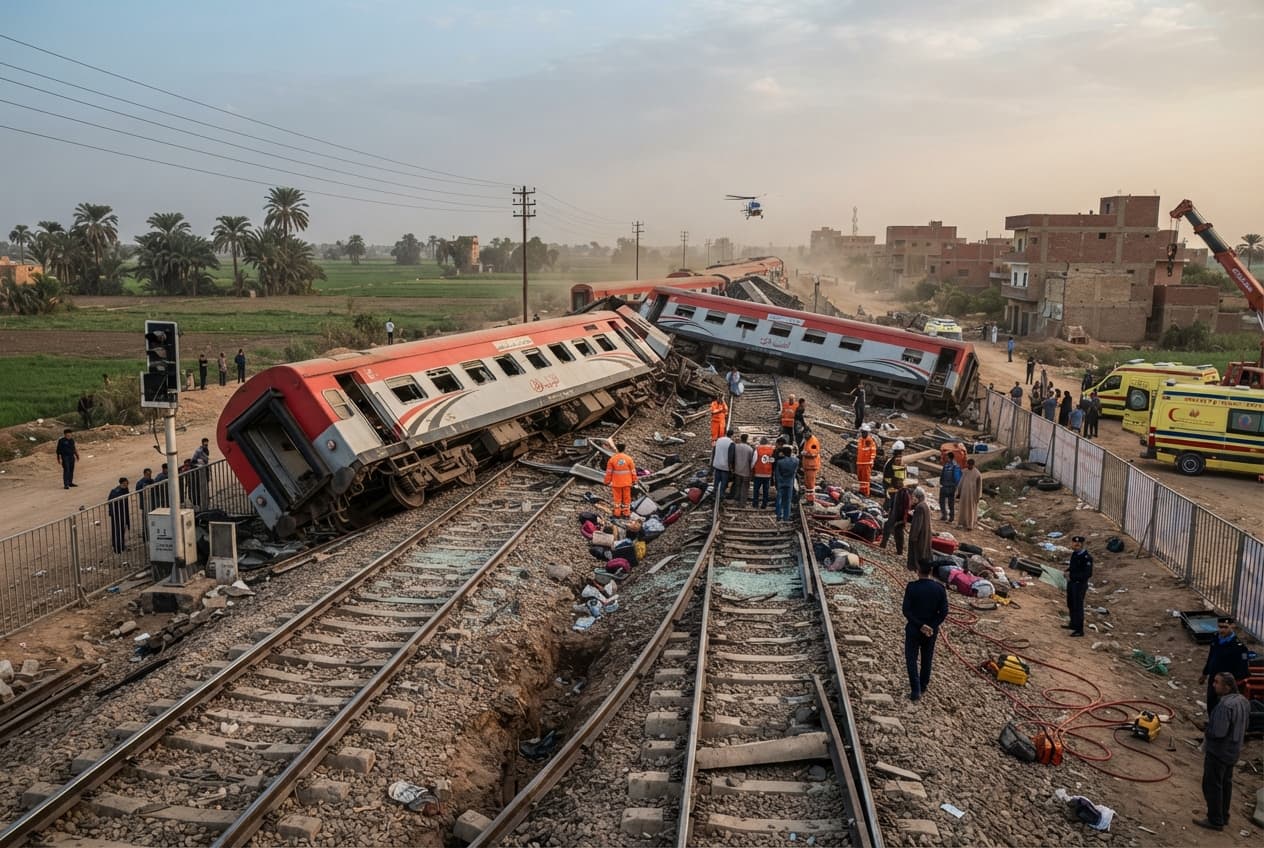
AI Image Disclaimer: The images associated with this article are AI-generated illustrations designed to represent the themes of earthquake recovery and community resilience.
Sources: ABC News, CNN, The Guardian, YouTube News Reports
Published by Banx Network. This article is part of the Banx decentralized media programme, powered by the BXE token on the XRP Ledger.