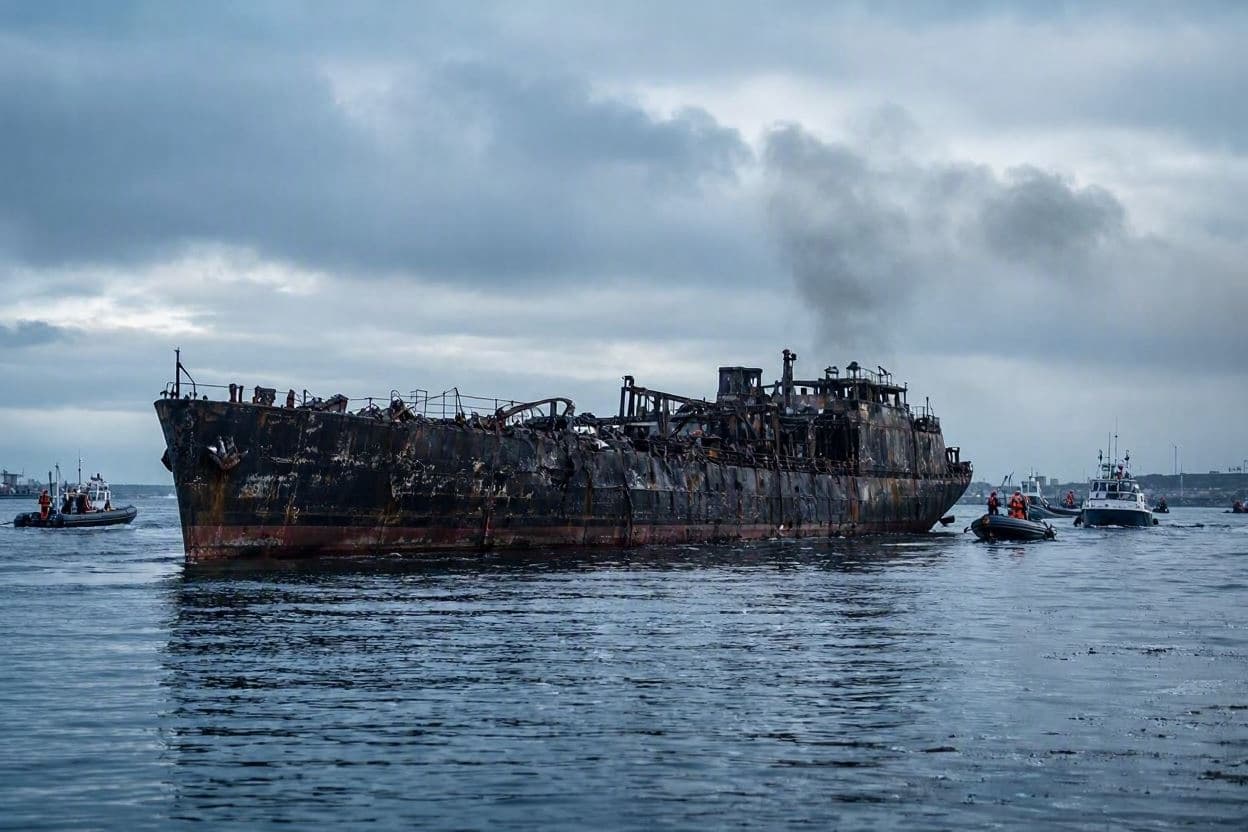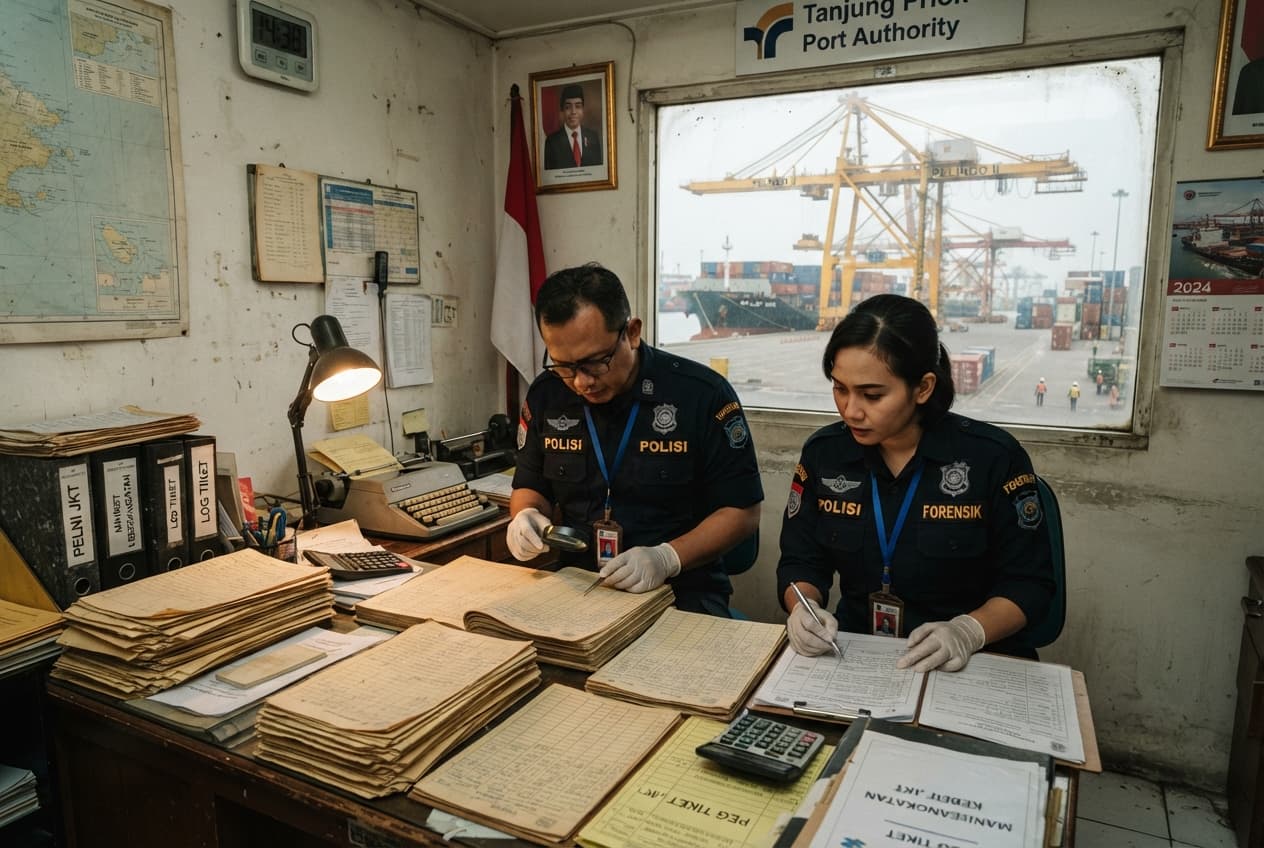
Jakarta, Indonesia—The Indonesian Ministry of Transport confirmed Monday that the passenger ferry involved in the fatal Java Sea sinking was operating below its maximum authorized passenger capacity at the time of departure. Transport ministry officials reviewed port departure logs, ticket sales databases, and electronic manifest scans following the disaster, verifying that the vessel carried fewer travelers than its legal threshold. Investigators stated that initial port clearance documents indicated no overcrowding violations prior to the ship embarking on its scheduled inter-island route.
Maritime regulatory inspectors seized original ticketing records and electronic turnstile data from the departure terminal to cross-verify the official manifest against survivor testimonies. Port authority representatives testified that safety inspections conducted prior to departure confirmed proper cargo distribution and functional life-saving appliance inventories. However, transport officials emphasized that operating within passenger limits does not absolve operators from investigating cargo shift dynamics during extreme weather squalls.
Independent maritime safety experts noted that while passenger counts complied with regulations, shifting unlashed vehicle cargo on the main deck could cause sudden catastrophic list regardless of weight. Judicial prosecutors announced that ongoing investigations will scrutinize both cargo loading protocols and the captain's decision to navigate through severe storm warnings. Representatives from the ferry operating company pledged full transparency and cooperation with federal transport investigators.
Families of the missing passengers and victims demanded rigorous scrutiny of all operational practices, questioning why the vessel sailed despite deteriorating regional weather forecasts. Parliamentary transport committees called for an immediate nationwide review of weather-departure protocols across all commercial maritime transit hubs. Forensic auditors continue examining corporate financial records and vessel maintenance logs to determine if structural deficiencies contributed to the capsize.
The transport ministry promised to release preliminary investigative findings within forty-eight hours as data recovery operations proceed. Maritime authorities maintain strict oversight over related commercial terminals to ensure compliance with emergency safety mandates. The formal inquiry remains active as investigators analyze all available voyage telemetry
Published by Banx Network. This article is part of the Banx decentralized media programme, powered by the BXE token on the XRP Ledger.