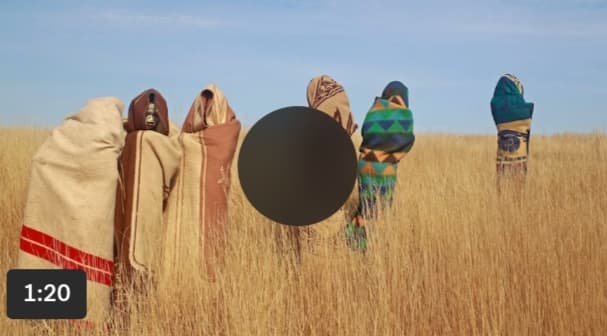
In a devastating incident that has rocked communities across South Africa, 41 young men have succumbed to complications arising from circumcision procedures during traditional initiation ceremonies. This tragic occurrence has brought heightened attention to the practices surrounding these age-old rites, raising serious questions about their safety and oversight.
The fatalities occurred in various provinces, where these initiation ceremonies are deeply rooted in cultural traditions. Every year, thousands of young men undergo these rituals, often in remote locations, and the procedures can involve significant health risks if not conducted under controlled and safer conditions.
Advocates for reform have been vocal, urging the government to implement stricter regulations and ensure that initiation rites are performed by trained medical professionals to minimize the risk of infection and other complications. Many of the deceased faced severe complications, including excessive bleeding and untreated infections, highlighting the dire need for reform in how these ceremonies are conducted.
Health officials have expressed concern that traditional initiation practices often lack essential medical oversight and standards. As families mourn their lost sons, calls for greater awareness and education regarding the risks associated with circumcision in this context grow louder.
The challenges of balancing cultural practices with modern medical standards create a complex landscape. Many communities are deeply committed to their traditions, which makes the path toward reform fraught with social and cultural hurdles. Nevertheless, the recent deaths have ignited discussions among traditional leaders, medical professionals, and government officials about fostering safer practices while respecting cultural heritage.
As South Africa grapples with this tragic loss, it becomes increasingly evident that urgent action is needed to protect the lives of young men and preserve the cultural significance of these initiation ceremonies in a safer manner.
Published by Banx Network. This article is part of the Banx decentralized media programme, powered by the BXE token on the XRP Ledger.